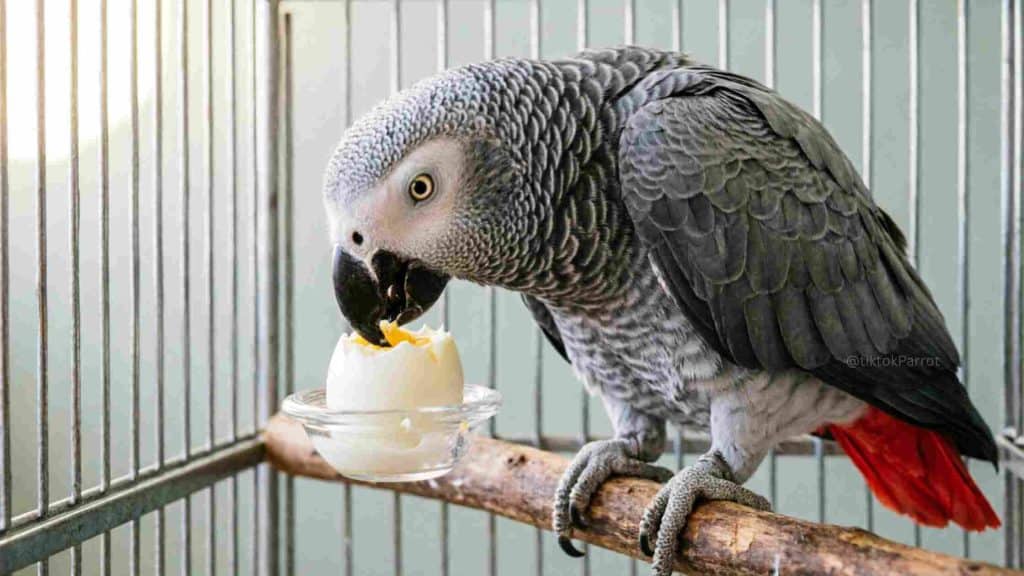
If you’ve ever cracked open an egg while your African Grey watches from across the room with those sharp, curious eyes, you’ve probably wondered: can I share this with my bird?
Eggs are a staple protein source for humans, but when it comes to parrots — especially a species as nutritionally sensitive as the African Grey — it’s worth knowing exactly what’s safe and what isn’t. The short answer is yes, African Grey parrots can eat egg whites, but the full picture is more nuanced than a simple thumbs-up.
Table of Contents
Are Egg Whites Safe for African Grey Parrots?
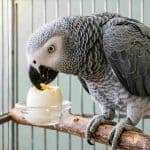
Cooked egg whites are safe for African Grey parrots and can actually be a beneficial addition to their diet when offered correctly. They are low in fat, free of cholesterol, and contain a meaningful amount of protein — all qualities that make them a reasonable occasional treat for a bird that thrives on variety.
That said, there is one important rule that most parrot owners overlook: egg whites should always be cooked before feeding them to your African Grey. Raw egg whites contain a protein called avidin, which binds to biotin (vitamin B7) and prevents your bird’s body from absorbing it.
Over time, feeding raw egg whites can cause a biotin deficiency, leading to poor feather condition, skin problems, and neurological issues — none of which you want to deal with in a long-lived bird like an African Grey.
Once cooked, avidin is denatured and no longer poses this risk. A hard-boiled or scrambled egg white becomes a perfectly safe and nutritious snack.
Nutritional Value of Egg Whites for African Greys
Egg whites are almost entirely protein and water, which makes them a clean, lean protein source. For African Greys — a species known to be prone to nutritional deficiencies, particularly calcium and vitamin A — protein-rich foods like cooked egg whites help support:
- Muscle maintenance and repair: Especially important for active, flight-capable birds.
- Feather health: Feathers are made largely of a protein called keratin. Adequate dietary protein supports healthy regrowth after molting.
- Immune function: Amino acids found in egg protein play a role in immune response.
- Recovery support: Birds recovering from illness, surgery, or feather-destructive behavior may benefit from a protein boost.
Egg whites don’t provide significant amounts of fat, vitamins, or minerals on their own, so they work best as a complement to a well-rounded diet rather than a nutritional cornerstone.
Egg White vs. Egg Yolk: Which Is Better for African Greys?
This is a question breeders and owners debate fairly often. Here’s a straightforward comparison:
Egg whites are low in fat and calories, high in lean protein, and safe when cooked. They’re the better choice for birds prone to obesity or liver problems.
Egg yolks are richer in fat, cholesterol, and fat-soluble vitamins like A, D, E, and K. In moderation, yolks offer nutritional density that whites don’t — but they should be offered sparingly, particularly to African Greys with fatty liver disease (hepatic lipidosis), a condition that’s unfortunately common in birds on poor diets.
For most healthy African Greys, feeding the whole cooked egg occasionally is fine. If your bird has known health issues, particularly liver or weight problems, your avian vet may recommend sticking to egg whites only.
How to Safely Prepare Egg Whites for Your African Grey
Getting this right is simple once you know the key steps.
- Always cook the egg white thoroughly. Hard-boiled is the easiest method — boil for 10 minutes and allow to cool completely before serving. Scrambled (with no oil, butter, salt, or seasoning) also works well.
- Avoid all additives. Never season egg whites with salt, pepper, garlic, onion, or any cooking oils. These are harmful to parrots. Plain, cooked, and nothing else.
- Serve small portions. A teaspoon to a tablespoon of cooked egg white is more than enough for an African Grey. Protein should supplement the diet, not dominate it.
- Serve fresh and remove promptly. Cooked egg spoils quickly. Don’t leave egg whites sitting in the cage for more than an hour or two, especially in warmer climates.
- Introduce gradually. If your African Grey hasn’t had egg white before, start with a small amount and monitor for any digestive changes over the next day or two.
How Often Can African Greys Eat Egg Whites?
Egg whites should be treated as an occasional protein supplement, not a daily staple. For a healthy adult African Grey, offering cooked egg white two to three times per week is generally considered appropriate. During molting season — when feathers are actively regrowing and protein demands increase — you might offer it a bit more frequently.
Breeding hens and birds recovering from illness may also benefit from more regular protein support, but this should ideally be done under guidance from an avian veterinarian who knows your bird’s health profile.
What African Grey Owners Should Watch Out For
Even safe foods can become a problem when offered in the wrong way. Here are the key cautions to keep in mind:
- Never feed raw egg whites. The avidin risk is real and cumulative — even small amounts of raw egg white over time can cause biotin deficiency.
- Don’t make eggs a daily habit. Too much protein can stress the kidneys over time. Variety is the foundation of a healthy African Grey diet.
- Watch for signs of digestive upset. Loose droppings, regurgitation, or disinterest in food after introducing something new can signal a problem. If symptoms persist, stop offering that food and consult your vet.
- Skip the shells if you’re unsure of the source. Eggshells are sometimes recommended as a calcium source, but they carry a risk of bacterial contamination (particularly salmonella) if not properly cleaned and baked. Stick to established calcium sources like cuttlebone unless you know how to prepare them safely.
- Eggs don’t replace a complete diet. African Greys need a diverse diet including high-quality pellets, fresh vegetables (particularly leafy greens and orange/red vegetables rich in vitamin A), limited fruit, and clean water. Egg white is a nice addition, not a substitute.
Other Good Protein Sources for African Grey Parrots
If you’re looking to increase your African Grey’s protein intake more broadly, here are other bird-safe options worth rotating in:
- Cooked chicken (plain, boneless, no seasoning)
- Cooked legumes such as lentils, chickpeas, or black beans
- Cooked quinoa
- Plain, unsalted nuts like almonds or walnuts (in small amounts due to fat content)
- Sprouted seeds and beans
Variety in protein sources — much like variety across the whole diet — helps ensure your African Grey gets a broad spectrum of amino acids without over-relying on any single food.
Frequently Asked Questions
Can African Grey parrots eat raw egg whites?
No. Raw egg whites contain avidin, a protein that blocks biotin absorption and can cause nutritional deficiencies over time. Always cook egg whites fully before offering them to your parrot.
Can African Greys eat scrambled eggs?
Yes, as long as the eggs are cooked plain — no butter, oil, salt, pepper, or other seasonings. Plain scrambled egg white or whole egg is a safe and protein-rich treat.
How much egg white can I give my African Grey?
A teaspoon to a tablespoon of cooked egg white is a suitable serving for an adult African Grey. Two to three times per week is a reasonable frequency for healthy birds.
Is egg white good for African Grey feathers?
Yes. Since feathers are primarily made of keratin (a protein), adequate dietary protein — including from cooked egg white — supports healthy feather growth, especially during molting.
Can I feed my African Grey egg yolk as well?
Yes, in moderation. Cooked egg yolk provides fat-soluble vitamins but is higher in fat and cholesterol. For birds with liver disease or weight issues, stick to egg whites only and consult your avian vet.
Conclusion
Cooked egg whites are a safe, nutritious treat for African Grey parrots when prepared correctly and offered in moderation. They deliver clean protein that supports feather health, muscle maintenance, and immune function — without the fat content of yolk. The golden rule is simple: always cook them, never season them, and keep portions small.
As with any addition to your African Grey’s diet, variety is key, and your avian vet should be your first call if you have questions about your specific bird’s nutritional needs. A well-fed African Grey is a healthier, happier, and often more behaviorally stable companion — and that’s worth the extra thought you put into every meal.
If this blog post has helped you, please share it with your family and friends who might also find it helpful. If you love African Greys, join our community of Grey owners! You can meet other owners, share tips and learn from each other.
Stay safe and much love!


Hey there! 🐾 Looking for top-notch pet supplies or anything on Amazon?
Support our site by shopping on Amazon through our this referral link, it will not cost you extra!
Your purchases on Amazon can help us continue providing valuable content.
Thank you for your support! 🛍️