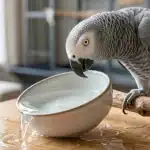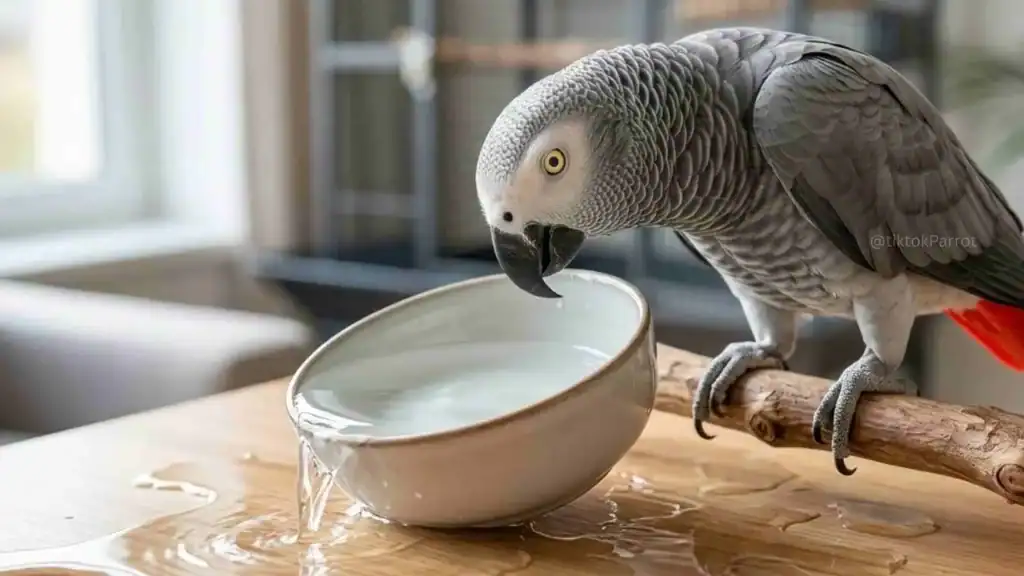
You’ve filled the water dish, placed it right where your African Grey can reach it, and yet — hours later — it’s untouched. If you’ve been watching your bird closely and noticed it isn’t drinking, it’s natural to feel concerned.
African Grey parrots are perceptive, sensitive birds, and changes in their behavior often signal something worth paying attention to. But before you panic, know this: not all cases of reduced water intake mean something is seriously wrong. There are many reasons an African Grey may appear to avoid water, and understanding them will help you figure out exactly what’s going on.
Table of Contents
Is It Normal for African Grey Parrots to Drink Less Than You’d Expect?
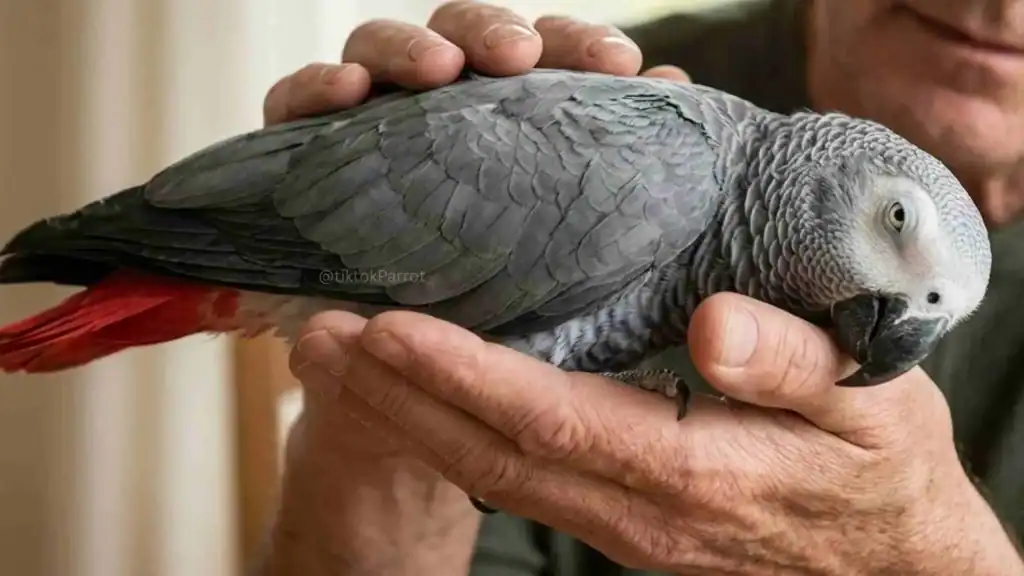
First, some reassurance. African Greys don’t drink as frequently or as obviously as many other birds or pets. In the wild, they get a significant portion of their daily water from the fresh fruits, vegetables, and moist foods they eat. A healthy Grey eating a diet rich in fresh produce may genuinely drink less from a water dish — and that’s completely normal.
What you’re looking for isn’t necessarily how often your bird drinks, but whether it is drinking at all, and whether other signs of dehydration or illness are present alongside reduced intake.
Signs your African Grey may be dehydrated include:
- Dry or flaky skin around the beak and feet
- Sunken or dull-looking eyes
- Loss of skin elasticity (skin tents when gently pinched)
- Lethargy and decreased activity
- Infrequent or very dark droppings
If your bird is showing any of these signs alongside refusing water, contact an avian veterinarian promptly.
Common Reasons an African Grey Parrot Won’t Drink Water
1. The Water Bowl Has Changed
African Greys are famously suspicious of change. If you recently switched from a bowl to a bottle, changed the color or size of the dish, or moved it to a new location, your bird may simply be refusing to engage with something unfamiliar. This is not stubbornness — it’s a deeply ingrained survival instinct. In the wild, approaching an unknown object near a water source could mean danger.
What to do: Return to the original water container and placement if possible. Introduce any new water dish gradually, placing it beside the old one so your Grey can observe it without pressure.
2. The Water Tastes or Smells Different
African Greys have a surprisingly sensitive palate. If your tap water has recently changed (seasonal treatment by water suppliers can alter chlorine levels), if the bowl hasn’t been cleaned thoroughly, or if the water has been sitting too long and developed a stale smell, your bird may flat-out refuse it.
What to do: Clean the water dish daily with hot water and mild soap, rinse thoroughly, and refill with fresh water. Some owners find that filtered or bottled water encourages drinking, especially if tap water quality is inconsistent in their area.
3. The Bowl Is Too Close to the Food Dish
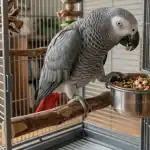
In the wild, birds instinctively avoid drinking water that is near their food, as contaminated water near food sources can harbor bacteria. If your food and water dishes are placed side by side, your Grey may avoid the water purely on instinct.
What to do: Separate the food and water dishes by placing them on opposite sides of the cage. This simple rearrangement can make a noticeable difference.
4. Your Bird Is Getting Moisture from Food
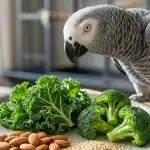
If your African Grey has been eating plenty of fresh fruits and vegetables — cucumber, watermelon, leafy greens, oranges — it may already be meeting much of its hydration needs through diet. Parrots in the wild rarely have access to standing water and rely heavily on food for fluid intake.
What to do: Keep track of your bird’s overall fluid intake across both food and water. If your Grey is eating moist foods regularly and showing no signs of dehydration, it is likely fine.
5. Stress or Environmental Changes
A new home, rearranged furniture, a new pet, loud noise, or even a change in your schedule can stress an African Grey enough to disrupt normal eating and drinking behaviors. Stressed Greys often withdraw, becoming quieter and less active — and reducing food and water intake is part of that response.
What to do: Identify potential stressors and address them where possible. Give your bird time to adjust, maintain a consistent daily routine, and provide a safe, calm environment. If behavioral changes persist beyond a few days, consult an avian vet to rule out illness.
6. Illness or Pain
Certain health conditions can cause an African Grey to stop drinking. Respiratory infections, digestive issues, crop problems, and kidney disease can all affect thirst and water intake. A bird that is unwell may also simply lack the energy to move to the water dish.
Other signs of illness to watch for include:
- Fluffed feathers outside of sleep
- Nasal discharge
- Changes in droppings (color, consistency, frequency)
- Labored breathing or tail bobbing
- Loss of appetite alongside reduced drinking
What to do: If you suspect illness, do not wait. African Greys are prey animals and instinctively mask signs of sickness. By the time symptoms are obvious, the condition may have progressed significantly. An avian veterinarian should assess your bird as soon as possible.
7. The Water Dish Is Difficult to Access
This might sound obvious, but it’s worth checking. If the water dish is placed too low, too high, or in a position your bird finds awkward to use, it may simply avoid it. Young birds, elderly Greys, or birds recovering from illness or injury may have trouble accessing certain dish placements.
What to do: Observe your bird’s movements around the cage and ensure the water dish is easily reachable from a comfortable perching position.
How to Encourage Your African Grey to Drink More Water
If you’ve ruled out illness and your bird simply seems reluctant to drink, these strategies can help:
- Offer water in multiple forms. Some Greys prefer to drink from a dripping source or shallow dish rather than a deep bowl. Experiment with dish depth and placement.
- Mist your bird lightly. Many African Greys enjoy a gentle misting, which also encourages them to preen — and they often drink droplets from their feathers afterward.
- Offer water-rich foods. Fresh cucumber, melon, strawberries, and lettuce all have high water content and can supplement hydration.
- Try warm water. Some birds prefer water that is slightly warm rather than cold, particularly in cooler weather.
- Keep the dish spotlessly clean. Even a faint odor from a dirty dish is enough to deter a Grey. Wash the dish daily.
When to See a Veterinarian
If your African Grey has not been observed drinking for more than 24 hours, or if reduced drinking is accompanied by any signs of illness, lethargy, changes in droppings, or abnormal behavior — book a vet appointment without delay. Dehydration in parrots can become serious quickly, and African Greys in particular are known for hiding illness until they can no longer do so.
An avian vet can assess hydration levels, run bloodwork if needed, and identify any underlying health condition driving the behavior.
Frequently Asked Questions
Why is my African Grey not drinking water?
Common reasons include changes to the water dish, sensitivity to taste or smell, stress, getting sufficient moisture from food, or an underlying health issue. Observe your bird closely and consult a vet if the behavior persists or is paired with other symptoms.
How much water should an African Grey parrot drink per day?
There is no fixed amount, but most parrots drink between a few teaspoons and a few tablespoons of water daily. Birds eating lots of fresh fruits and vegetables will drink less from their dish, as they obtain moisture from their food.
Can African Grey parrots drink tap water?
Most African Greys can drink tap water safely, but some may be sensitive to the chlorine or mineral content. If your bird refuses tap water, try filtered or bottled water to see if it makes a difference.
Is it dangerous if my African Grey doesn’t drink water?
Yes, if it persists. Dehydration can lead to serious health complications in parrots. If your bird hasn’t been observed drinking for more than 24 hours, or shows signs of dehydration, contact an avian vet promptly.
How can I tell if my African Grey parrot is dehydrated?
Signs of dehydration include sunken eyes, dry flaky skin, lethargy, reduced or dark droppings, and loss of skin elasticity. If you notice these signs, seek veterinary attention immediately.
Conclusion
An African Grey parrot that isn’t drinking water is not always in crisis — but it is always worth investigating. From a simple change in the water dish to a deeper health concern, there are many possible explanations, and most of them are fixable.
Start by reviewing your bird’s environment, diet, and routine for any recent changes. Encourage drinking through clean water, misting, and water-rich foods. And when in doubt, always lean on the expertise of an avian veterinarian — because with African Greys, catching problems early makes all the difference.
If this blog post has helped you, please share it with your family and friends who might also find it helpful. If you love African Greys, join our community of Grey owners! You can meet other owners, share tips and learn from each other.
Stay safe and much love!

Hey there! 🐾 Looking for top-notch pet supplies or anything on Amazon?
Support our site by shopping on Amazon through our this referral link, it will not cost you extra!
Your purchases on Amazon can help us continue providing valuable content.
Thank you for your support! 🛍️