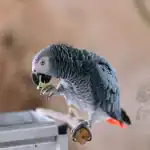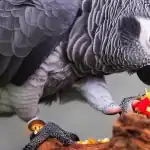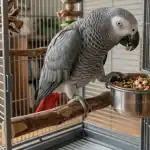
One of the most common concerns among African Grey parrot owners — new and experienced alike — is whether their bird is eating the right things at the right times. African Greys are among the most nutritionally demanding parrots in the world, and an inconsistent or poorly planned feeding schedule can quietly undermine their health over months or even years.
Getting this right isn’t complicated, but it does require a clear plan and some understanding of how these birds naturally feed.
This guide walks you through a practical African Grey feeding schedule, what to feed, what to avoid, and why timing actually matters for these highly intelligent birds.
Table of Contents
Why a Feeding Schedule Matters for African Greys
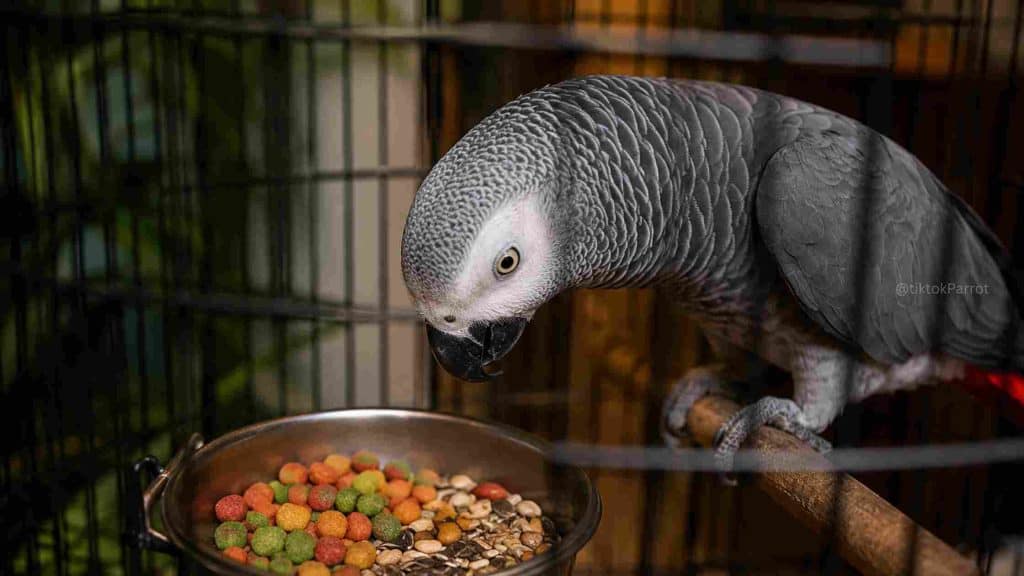
In the wild, African Grey parrots are foragers. They spend the early morning and late afternoon hours searching for food — seeds, nuts, fruits, leafy plants, and occasionally insects. Their digestive systems are built around this rhythm: eat, rest, eat. Mimicking this natural pattern in captivity helps maintain healthy digestion, stable energy levels, and consistent mental stimulation.
Beyond digestion, feeding routines provide African Greys with something they crave deeply: predictability. These birds are creatures of habit, and a consistent schedule reduces anxiety, prevents food guarding behavior, and strengthens the bond between bird and owner.
The Ideal African Grey Feeding Schedule
Morning Feeding: 7:00 AM – 9:00 AM
The first meal of the day should be offered shortly after your African Grey wakes up and has had a chance to move around. This mirrors their natural foraging window.
What to offer:
- Fresh vegetables (chopped leafy greens, bell peppers, carrots, broccoli, courgette)
- A small portion of high-quality pellets (make up 50–60% of the daily diet)
- A few slices of fresh fruit (apple, papaya, mango, pomegranate — avoid avocado)
- Fresh water, changed daily
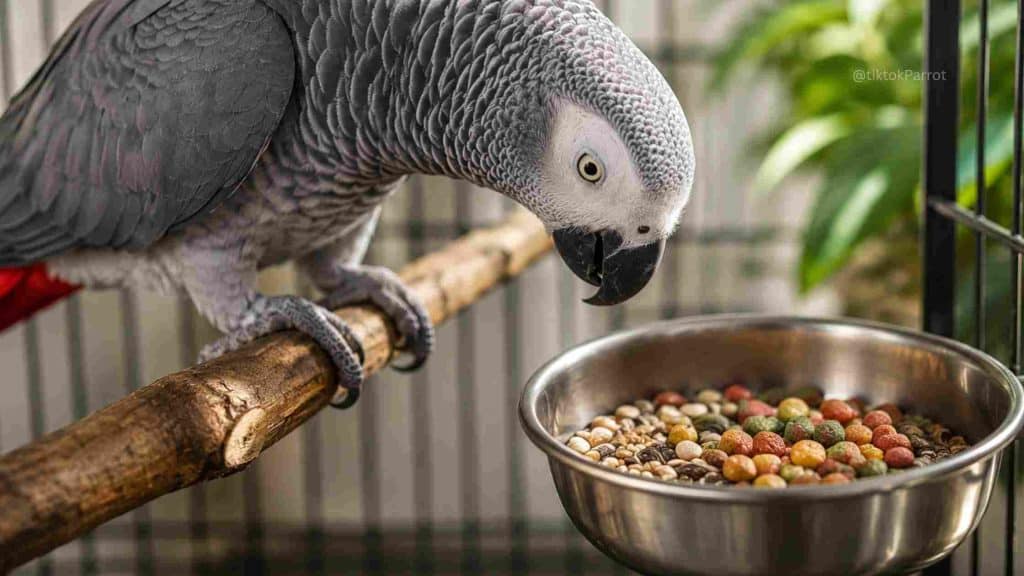
Pellets should form the nutritional backbone of your African Grey’s diet. Unlike seed mixes, quality pellets are formulated to deliver complete nutrition without allowing your bird to pick out the fatty favorites and leave the rest.
Midday Check: 12:00 PM – 1:00 PM
Midday is not a full meal — it’s a light top-up and a check-in. Remove any fresh food that has been sitting for more than two to three hours, as bacteria grow quickly in warm environments.
What to offer:
- A small foraging snack: a piece of corn on the cob, a leafy branch of kale, or a few unsalted nuts tucked inside a foraging toy
- Refresh water if needed
This midday interaction also serves a social purpose. African Greys are highly social birds. Even a brief feeding interaction reinforces their bond with you and provides the mental engagement they need to stay emotionally healthy.
Evening Feeding: 5:00 PM – 7:00 PM
The second main meal mirrors the late-afternoon foraging that African Greys do naturally in the wild.
What to offer:
- Cooked grains or legumes (brown rice, quinoa, lentils — cooled to room temperature)
- A small seed portion (seeds should be a treat, not a staple — no more than 10–15% of the diet)
- Additional vegetables, especially calcium-rich options like kale, pak choi, or bok choy
- A small protein source two to three times per week: a piece of hard-boiled egg or cooked chicken
Remove all uneaten food before your bird’s lights-out time. African Greys need 10–12 hours of undisturbed sleep, and leaving food in the cage overnight can attract bacteria, mold, and pests.
Foods African Greys Should Eat Daily
A well-rounded daily diet for an African Grey includes:
- Pellets — the dietary foundation; choose a reputable brand without artificial colors or sugar
- Dark leafy greens — kale, spinach, Swiss chard, collard greens (excellent calcium sources)
- Colorful vegetables — bell peppers, carrots, sweet potato, beetroot, broccoli
- Fresh fruit — in moderation due to sugar content; berries, mango, papaya, and pomegranate are excellent choices
- Cooked grains and legumes — brown rice, quinoa, lentils, chickpeas (cooled before serving)
- Calcium sources — especially important for African Greys, who are prone to hypocalcemia (low blood calcium). Cuttlebone and mineral blocks should always be available
Foods African Greys Should Never Eat
Some foods are outright dangerous for African Greys and must be kept well away from their environment:
- Avocado — toxic; can cause heart failure
- Chocolate — contains theobromine, which is fatal to parrots
- Onion and garlic — can damage red blood cells
- Alcohol and caffeine — toxic to the nervous system
- Fruit seeds and pits — apple seeds and cherry pits contain cyanide compounds
- Salty, fatty, or processed human food — chips, crackers, and takeaway food have no place in a parrot’s diet
The Role of Calcium in African Grey Nutrition
African Greys have a well-documented susceptibility to calcium deficiency, and it’s something every owner must take seriously. Low calcium in African Greys can cause tremors, seizures, poor feather quality, and in severe cases, sudden death. This isn’t rare — it’s one of the most common preventable health problems seen in captive African Greys.
To keep calcium levels healthy:
- Offer dark leafy greens daily (kale, collard greens, and bok choy are among the richest plant-based calcium sources)
- Keep a cuttlebone or mineral block in the cage at all times
- Consider a vet-recommended liquid calcium supplement if your bird shows any signs of deficiency
- Ensure adequate vitamin D3, which is essential for calcium absorption — either through safe, indirect natural light or a full-spectrum avian lamp
Common Feeding Mistakes to Avoid
Even well-intentioned owners fall into these traps:
- Feeding only seeds: Seed-only diets are one of the leading causes of early death in captive African Greys. Seeds are high in fat and low in essential vitamins and minerals.
- Offering fruit too frequently: Fruit is healthy in moderation but high in sugar. Limit it to a few times per week rather than daily.
- Leaving fresh food in the cage too long: Fresh food left out for more than 2–3 hours can harbor harmful bacteria. Always remove uneaten food promptly.
- Ignoring portion sizes: Overfeeding, particularly with fatty foods, can lead to obesity and liver disease — both serious concerns in captive parrots.
- Using tap water with high chlorine: If your tap water is heavily chlorinated, consider filtered water for your African Grey.
Sample Weekly Feeding Plan
| Day | Morning | Evening |
|---|---|---|
| Monday | Pellets, kale, bell pepper, apple | Quinoa, broccoli, small seeds |
| Tuesday | Pellets, carrots, blueberries, spinach | Brown rice, cooked lentils, kale |
| Wednesday | Pellets, sweet potato, mango, chard | Cooked egg, green beans, pellets |
| Thursday | Pellets, pomegranate, pak choi, beetroot | Chickpeas, brown rice, spinach |
| Friday | Pellets, bell pepper, papaya, kale | Cooked chicken (small), quinoa, greens |
| Saturday | Pellets, corn on cob, apple, courgette | Lentils, mixed veg, small seed treat |
| Sunday | Pellets, berries, collard greens, carrot | Brown rice, bok choy, cooked egg |
Rotate vegetables and fruits regularly to ensure nutritional variety and keep mealtimes interesting for your bird.
Frequently Asked Questions
How many times a day should I feed my African Grey parrot?
African Greys should be fed twice a day — once in the morning (7–9 AM) and once in the evening (5–7 PM) — with a light midday snack or foraging activity. This mirrors their natural feeding rhythm in the wild.
What is the best food for an African Grey parrot?
The best diet for an African Grey is built on high-quality pellets (50–60% of intake), supplemented with fresh vegetables, limited fresh fruit, cooked grains, and occasional lean protein. Dark leafy greens are especially important for calcium.
Can African Grey parrots eat fruit every day?
Fruit should be offered in moderation — a few times per week rather than daily — due to its high sugar content. Berries, mango, papaya, and pomegranate are excellent choices.
Why is calcium so important for African Grey parrots?
African Greys are uniquely prone to hypocalcemia (low blood calcium), which can cause seizures, tremors, and serious neurological problems. A calcium-rich diet with cuttlebone always available is essential for their long-term health.
Should I leave food in my African Grey’s cage all day?
Fresh food should not be left in the cage for more than 2–3 hours as bacteria can grow quickly. Pellets can remain available throughout the day, but fresh vegetables, fruit, and cooked foods should be removed promptly after feeding.
Conclusion
A well-structured feeding schedule is one of the most impactful things you can do for your African Grey’s long-term health and happiness. Twice-daily meals built around quality pellets, fresh vegetables, and a calcium-rich variety of foods — paired with the right timing and portion control — give these remarkable birds the nutritional foundation they need to thrive for decades.
Start with a simple routine, rotate your offerings regularly, and always consult an avian veterinarian if you have concerns about your bird’s diet or health.
If this blog post has helped you, please share it with your family and friends who might also find it helpful. If you love African Greys, join our community of Grey owners! You can meet other owners, share tips and learn from each other.
Stay safe and much love!


Hey there! 🐾 Looking for top-notch pet supplies or anything on Amazon?
Support our site by shopping on Amazon through our this referral link, it will not cost you extra!
Your purchases on Amazon can help us continue providing valuable content.
Thank you for your support! 🛍️