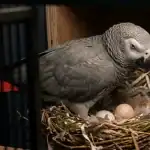
There’s something quietly remarkable about watching an African Grey parrot settle into a nest box and begin sitting on her eggs. For a bird known for its boundless curiosity and chatter, the shift into brooding mode is almost startling — she becomes still, focused, and surprisingly devoted.
If you’re new to breeding African Greys, or you’ve simply noticed your hen behaving differently and suspect eggs may be involved, one of the first questions you’ll ask is: how long do African Grey parrots sit on their eggs?
The answer involves more than just a number — understanding the full incubation process will help you support your birds properly and know when to step in if something goes wrong.
Table of Contents
The African Grey Incubation Period
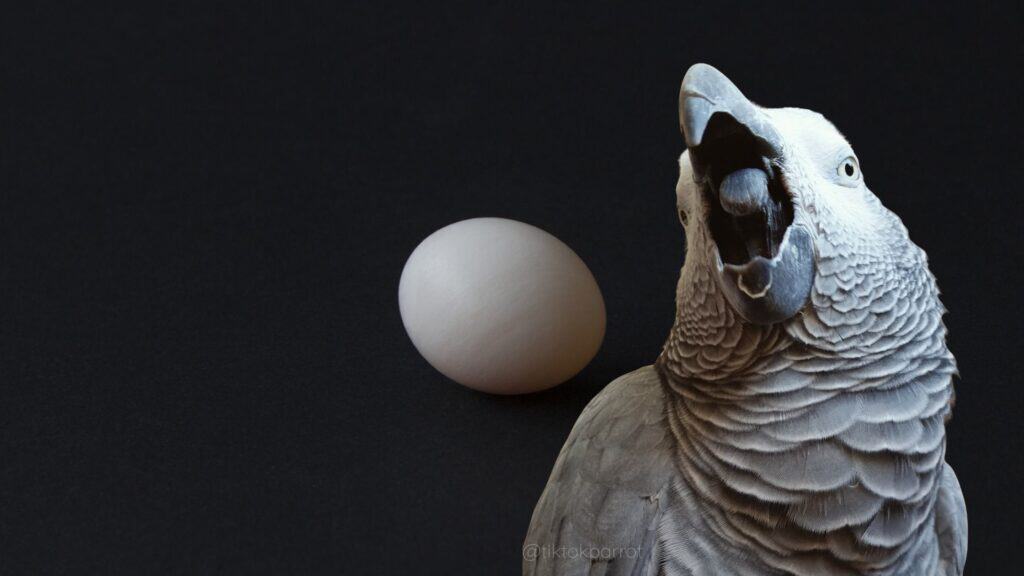
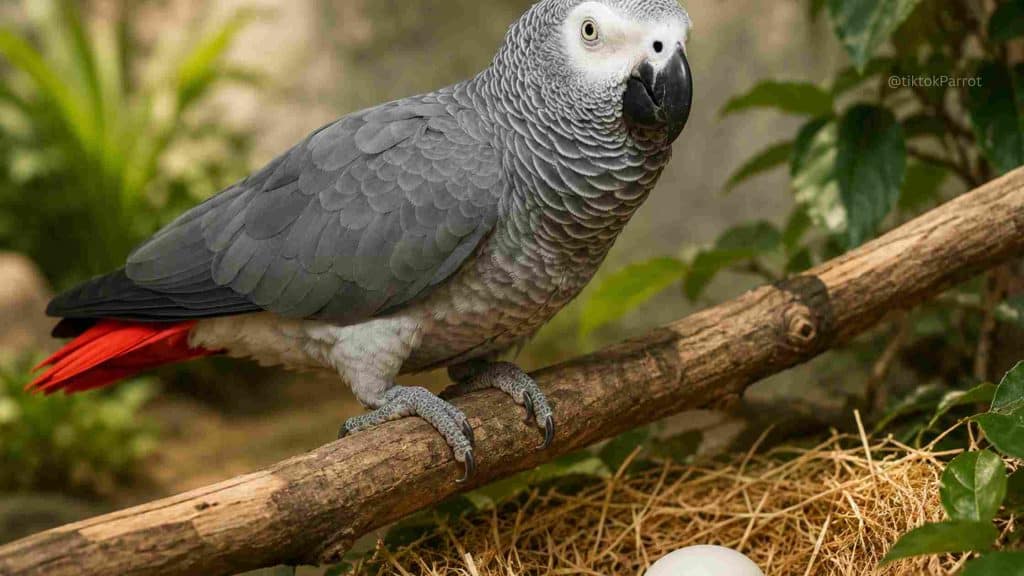
African Grey parrots incubate their eggs for approximately 28 to 30 days. This is the window from when a hen (or both parents) begins consistently sitting on the eggs to when the first chick breaks through the shell.
The exact duration can vary slightly depending on factors like incubation temperature, humidity, and whether incubation began immediately after the first egg was laid or after the clutch was complete.
It’s worth noting that African Greys typically lay eggs every 2 to 3 days until the clutch is complete — usually 2 to 4 eggs in total. Some hens begin incubating from the first egg, while others wait until the second or third egg arrives before sitting consistently. This means chicks in the same clutch can hatch a day or two apart, which is completely normal.
Who Sits on the Eggs — the Male or Female?
In African Greys, both parents share incubation duties, though the female typically does the majority of the sitting, especially during the night. The male plays an equally important supporting role — he spends much of his time feeding the female while she incubates, and he will take over the nest periodically to give her a break.
This cooperative behavior is one of the reasons African Grey pairs bond so deeply. In captivity, disrupting this dynamic — for example, by separating the male — can cause the hen to abandon the clutch out of stress. If you’re breeding African Greys, providing a quiet, stable environment for both birds during this period is essential.
What Happens During the 28 to 30 Days?
Understanding what’s occurring inside the egg during incubation helps you appreciate why conditions matter so much.
Days 1–7: Early Development
The fertilized embryo begins to develop rapidly in the first week. A network of blood vessels forms, and the basic structures of the chick start to take shape. At around day 7 to 10, you can begin candling the eggs — holding them gently against a bright light source in a darkened room — to check for signs of fertility. A fertile egg will show visible veining and a dark shadow at the center; an infertile egg will appear clear throughout.
Days 8–20: Active Growth
The chick’s body develops significantly during this phase. Feather follicles, beak, feet, and organs continue to form. The air cell at the broad end of the egg gradually increases in size as the chick grows and metabolizes nutrients. Humidity management becomes increasingly important during this stage to prevent the air cell from growing too large or too small.
Days 21–28: Final Preparation and Hatching
In the final week, the chick positions itself for hatching and absorbs the remaining yolk sac, which provides nutrients immediately after hatch. Around day 27 to 28, you may hear faint chirping or tapping sounds from inside the egg — this is called pipping. The chick uses its egg tooth (a small temporary protrusion on the beak) to crack through the shell. Full emergence can take anywhere from a few hours to 24–48 hours after the first pip.
Ideal Conditions for Successful Incubation
Whether you’re relying on the parent birds or using an artificial incubator, maintaining the right environment is critical to a successful hatch.
Temperature
The ideal incubation temperature for African Grey eggs is 37.2°C (99°F) in a forced-air incubator, or approximately 37.5°C (99.5°F) in a still-air incubator. Even small deviations sustained over several days can affect hatch rates. If the parent birds are incubating, the nest box should be placed in an area free from drafts and temperature extremes.
Humidity
Aim for a relative humidity of 50–60% during the first three weeks, then increase it slightly to around 65–70% in the final few days before hatching. Proper humidity ensures the air cell develops at the correct rate and prevents the membrane from drying out and trapping the chick during hatching.
Egg Turning
Parent birds naturally turn their eggs many times throughout the day, which prevents the developing embryo from sticking to the shell membrane. In an artificial incubator, eggs should be turned at least 3 to 5 times daily until day 25, after which turning should stop to allow the chick to orient itself for hatching.
Minimal Disturbance
African Greys are sensitive, intelligent birds. Repeatedly opening the nest box to check on eggs, making loud noises nearby, or introducing unfamiliar people to the breeding area can stress the hen into abandoning the clutch. Observe from a distance whenever possible and reserve physical checks for genuinely necessary moments.
Signs That Incubation May Be Going Wrong
Even experienced breeders encounter failed hatches. Knowing the warning signs helps you respond quickly.
- Eggs that never develop: If candling at day 10 shows no veining, the eggs are likely infertile. Leave them with the hen until she loses interest naturally to avoid triggering a replacement clutch too soon.
- Eggs that develop but fail to hatch: Sometimes called “dead-in-shell,” this can result from incorrect humidity, bacterial contamination, nutritional deficiencies in the parents, or genetic issues. An avian vet can sometimes help determine the cause.
- Hen abandoning the nest: This is usually stress-related. Review disturbances, check that the male is still present and feeding her, and ensure the temperature in the breeding area is stable.
- Extended pip without hatching: If a chick has been pipping for more than 48 hours without emerging, it may be stuck due to low humidity. This is delicate — consult an experienced avian breeder or vet before intervening.
Common Mistakes During the Incubation Period
- Candling too early or too often: Eggs are delicate, especially in the first two weeks. Limit candling to once around day 7–10 and again around day 18–20.
- Removing “failed” eggs prematurely: Development can be hard to detect without experience. When in doubt, leave the egg in place and candle again a few days later.
- Neglecting the hen’s nutrition: A sitting hen burns significant energy and needs a calcium-rich, nutrient-dense diet. Offer cuttlebone, leafy greens, and quality pellets throughout incubation.
- Ignoring the male: Some breeders focus entirely on the hen and forget that the male’s health and presence directly affect incubation success.
Frequently Asked Questions
How long do African Grey parrots sit on their eggs?
African Grey parrots incubate their eggs for approximately 28 to 30 days. Both parents share sitting duties, with the female doing the majority, especially at night.
At what point do African Grey parrots start sitting on their eggs?
Some hens begin sitting from the first egg, while others wait until the second or third egg is laid. Consistent, full-time brooding usually begins once most of the clutch is complete.
How can I tell if African Grey eggs are fertile?
Candle the eggs around day 7 to 10 by holding them gently against a bright light in a dark room. Fertile eggs will show a network of blood vessels and a dark embryo; infertile eggs appear uniformly clear.
What should I do if my African Grey hen abandons her eggs?
First, identify and remove the stressor if possible — noise, temperature changes, or lack of the male’s presence are common causes. If the hen has been off the eggs for several hours and they’ve cooled significantly, artificial incubation may be needed. Consult an avian vet promptly.
How long after pipping does an African Grey chick fully hatch?
After the first crack (pip) appears in the shell, it typically takes 12 to 48 hours for the chick to fully emerge. Avoid intervening unless the chick appears stuck for more than 48 hours, and consult a vet before assisting.
Conclusion
African Grey parrots sit on their eggs for 28 to 30 days, sharing incubation duties between both partners in a beautifully cooperative process. Getting familiar with the stages of incubation — from early embryo development to the final pip — puts you in a far better position to support your birds and respond appropriately if challenges arise.
The most important thing you can do during this period is provide stable conditions, good nutrition, and minimal disturbance. African Greys are attentive, capable parents when given the right environment. Trust the process, keep a watchful eye from a respectful distance, and you’ll give your eggs the best possible chance of becoming healthy chicks.
If this blog post has helped you, please share it with your family and friends who might also find it helpful. If you love African Greys, join our community of Grey owners! You can meet other owners, share tips and learn from each other.
Stay safe and much love!


Hey there! 🐾 Looking for top-notch pet supplies or anything on Amazon?
Support our site by shopping on Amazon through our this referral link, it will not cost you extra!
Your purchases on Amazon can help us continue providing valuable content.
Thank you for your support! 🛍️