Ask most people to picture an African Grey parrot, and they’ll conjure the same image: a medium-sized silver bird with a flash of red in its tail. What they often don’t realize is that “African Grey” is an umbrella term covering two distinct subspecies — the Congo African Grey (Psittacus erithacus erithacus) and the Timneh African Grey (Psittacus erithacus timneh, now reclassified as a full species: Psittacus timneh).
While both are celebrated for their remarkable intelligence and talking ability, the differences between them go well beyond a few centimeters of body length. If you’re deciding between the two, or simply want to understand your bird better, this deep-dive comparison is for you.
Table of Contents
Physical Differences: More Than Just Size
The most obvious difference between the Congo and Timneh is size, but the details matter.
Congo African Grey
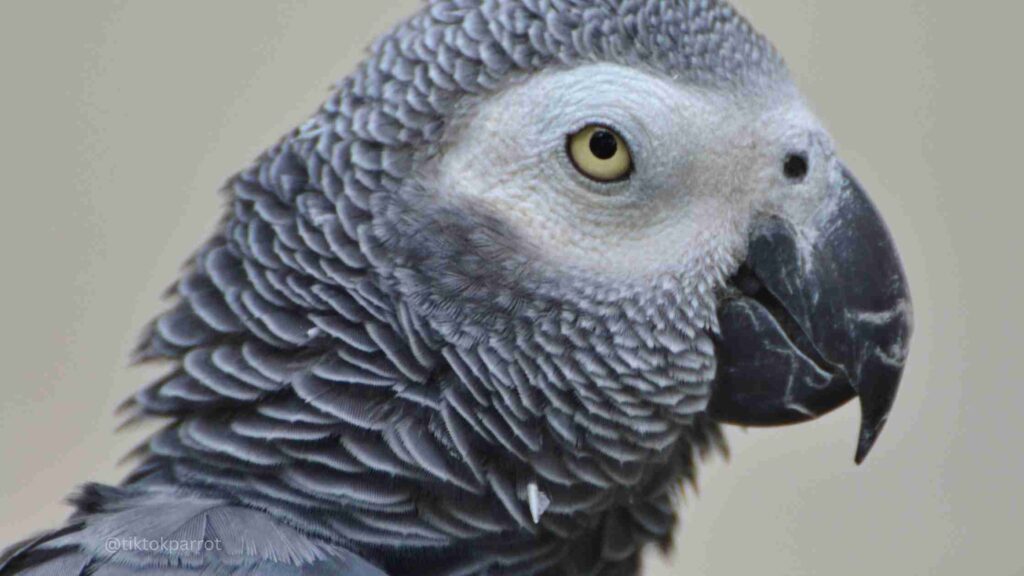
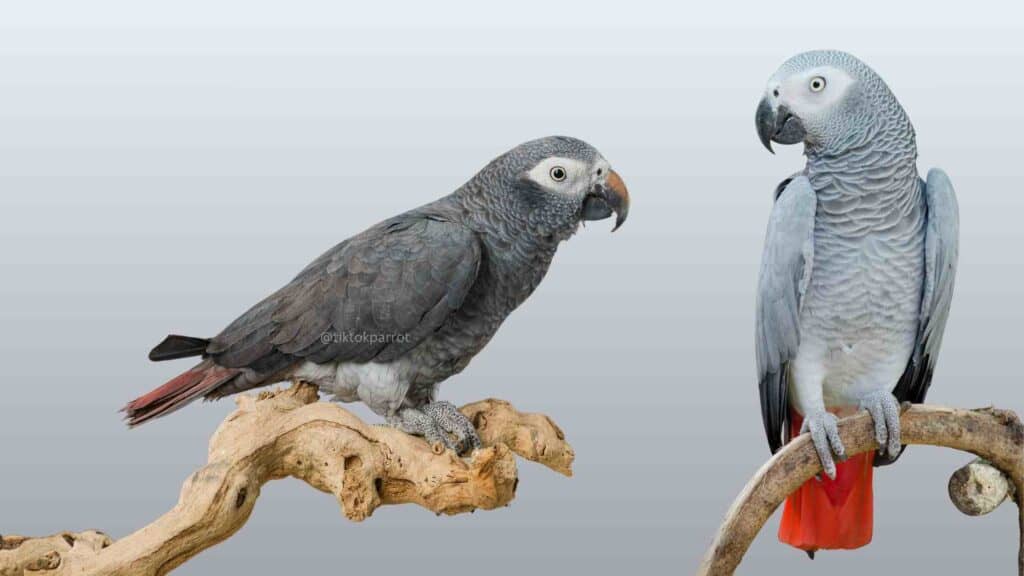
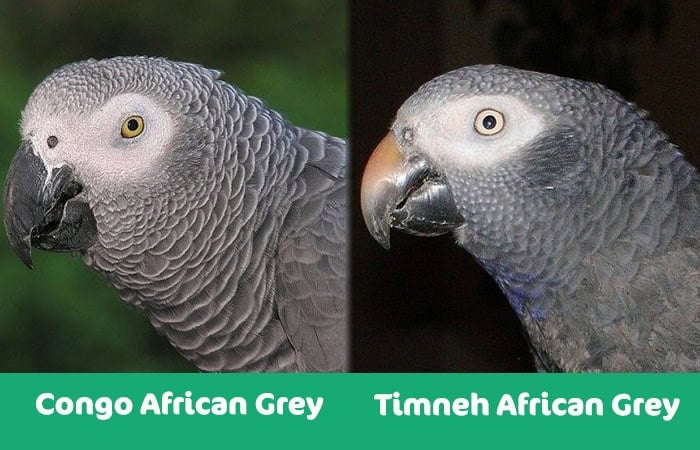
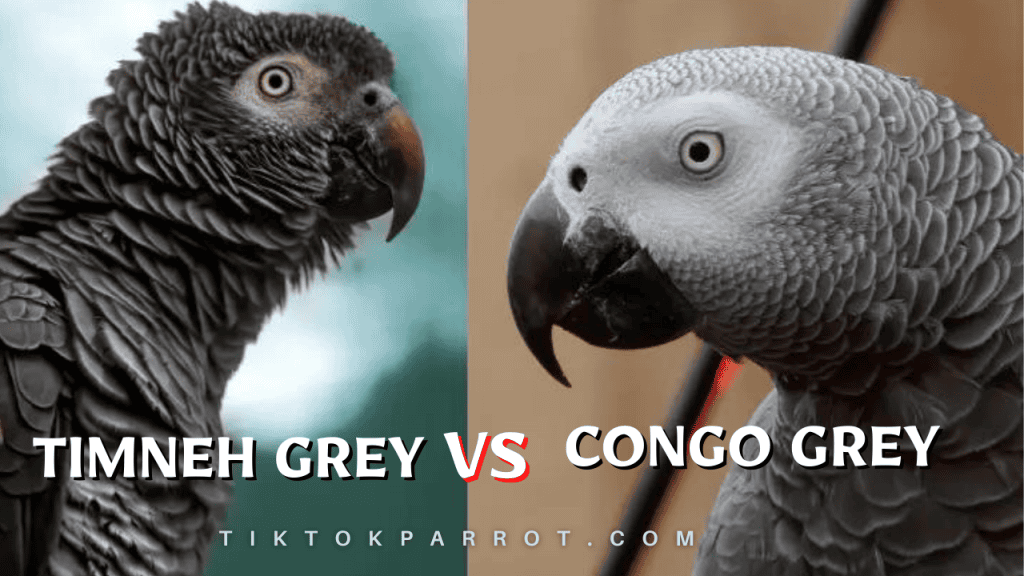
The Congo is the larger of the two, typically weighing between 400 and 650 grams and measuring around 33 cm (13 inches) in length. Its plumage is a uniform, bright silver-grey across the body, and its most striking feature is a vivid scarlet red tail that stands out sharply against the grey feathers. The beak is entirely black, and the bare facial patch around the eye is white.
Timneh African Grey
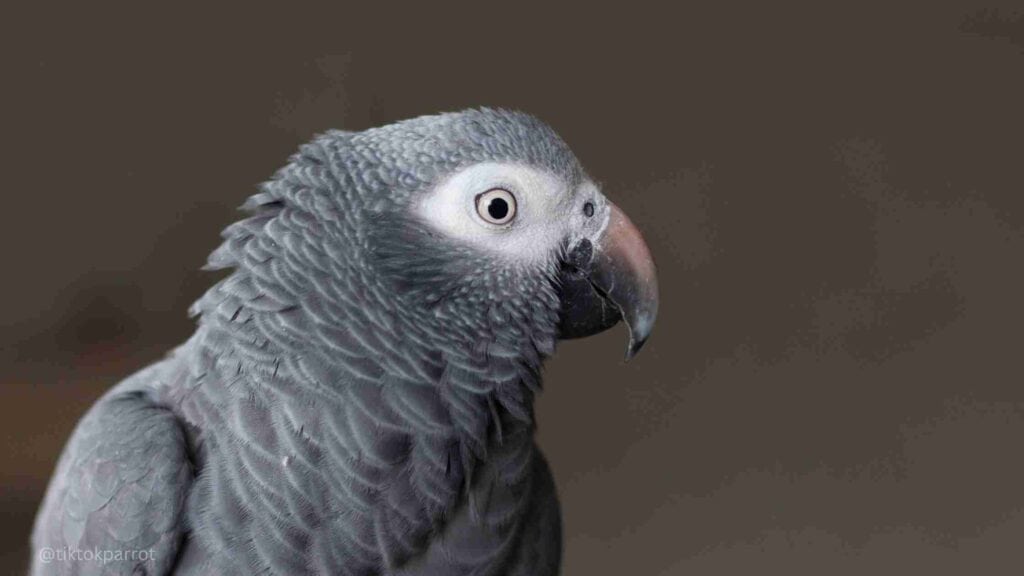
The Timneh is noticeably smaller, averaging 275 to 375 grams and around 28–30 cm (11–12 inches) in length. Its colouring is darker — a charcoal grey rather than silver — and its tail is a deep maroon or burgundy rather than the bright red of the Congo. One of the most reliable visual identifiers is the Timneh’s horn-coloured upper mandible: the upper beak has a pinkish or flesh-toned patch at its base, unlike the fully black beak of the Congo.
These size and colour differences aren’t just cosmetic. They reflect the birds’ separate geographic origins — the Congo originates from central and western equatorial Africa, while the Timneh is native to a smaller range in western West Africa, including Guinea-Bissau, Sierra Leone, and the Ivory Coast.
Personality and Temperament: Where the Real Differences Lie
If you spend time with both subspecies, you’ll start to notice temperamental differences that experienced owners and breeders have long observed — though every bird is an individual and generalizations should be taken as tendencies rather than certainties.
The Congo: Sensitive, Spectacular, and Demanding
Congo African Greys are widely regarded as some of the most intelligent birds on the planet, and they know it. They form intense bonds with their primary caretakers, which is both a strength and a vulnerability. This deep attachment means Congos are more prone to separation anxiety, feather destructive behaviour, and stress-related illness when their social needs aren’t met.
Congos tend to go through a notable bluffing phase during adolescence — typically between 4 months and 1 year of age — during which they may bite, lunge, and behave unpredictably. This phase can catch new owners off guard if they aren’t prepared.
On the positive side, Congos are exceptional talkers. Many develop vocabularies of 200 words or more, and some can mimic sounds with eerie accuracy — from ringing phones to specific human voices. Their emotional sensitivity also makes them deeply rewarding companions for patient, experienced owners.
The Timneh: Resilient, Confident, and Adaptable
Timneh African Greys are often described as the more “laid-back” of the two, and this reputation is well-earned. They tend to be less prone to anxiety, adapt more readily to changes in their environment, and generally handle new people or situations with greater confidence.
Timnehs also begin talking earlier than Congos — sometimes as young as 6 months — which can be a meaningful advantage for owners eager to engage in vocal interaction. Their talking ability is comparable to the Congo, though their vocabulary may not reach quite the same ceiling in every case.
For first-time African Grey owners or households with more activity and less predictability, the Timneh is often the recommended choice. Their emotional resilience means they’re less likely to develop the chronic stress behaviours that can plague more sensitive Congos.
Care Nuances: What Changes Between the Two
Both subspecies share the same fundamental care requirements — large cage space, mental stimulation, a varied diet, and daily social interaction. But there are some nuances worth knowing.
Dietary Considerations
Both Congos and Timnehs are susceptible to hypocalcemia (low blood calcium) and vitamin A deficiency — two of the most common nutritional problems in African Grey parrots. The Congo, being larger, has slightly higher caloric needs, but the dietary composition should be the same: a base of high-quality pellets, supplemented with a wide variety of fresh vegetables, some fruit, cooked grains, and limited seeds.
Dark leafy greens (kale, Swiss chard, broccoli), sweet potato, and cooked legumes are excellent staples for both. Avoid avocado, onion, chocolate, and high-sodium foods entirely.
Cage and Space Requirements
The Congo’s larger size means it needs a proportionally bigger cage — a minimum of 24″ x 36″ x 48″ for a Congo, whereas a Timneh can manage comfortably in something slightly smaller, though bigger is always better. Both need horizontal bars for climbing and multiple perch diameters to maintain foot health.
Mental Stimulation and Enrichment
This is where both subspecies are completely equal in their demands — and those demands are high. African Greys are cognitively comparable to a 4 to 6-year-old child. Without adequate mental stimulation, both Congos and Timnehs will develop problem behaviours: screaming, feather plucking, or repetitive rocking.
Rotate foraging toys regularly, teach new tricks, and invest in puzzle feeders. Given the Congo’s higher anxiety profile, it benefits even more from a consistent daily routine — predictable feeding times, out-of-cage interaction, and a stable sleep schedule of 10–12 hours.
Health and Veterinary Care
Both subspecies share the same disease vulnerabilities: Psittacine Beak and Feather Disease (PBFD), Aspergillosis (a fungal respiratory infection), Proventricular Dilatation Disease (PDD), and calcium deficiency. Annual check-ups with an avian vet who has experience with African Greys are non-negotiable.
Timnehs, owing to their somewhat greater psychological resilience, may present fewer stress-related health issues over time — but this is not a reason to provide less attentive care.
Which African Grey Is Right for You?

There is no objectively “better” African Grey — only the one that better suits your lifestyle.
Choose a Congo if: You are an experienced bird owner, have a stable home environment with a predictable routine, want the largest vocabulary potential, and are prepared to invest heavily in emotional bonding and enrichment.
Choose a Timneh if: You are a first-time African Grey owner, have a busy or occasionally unpredictable household, want a bird that adapts more readily to change, or prefer a slightly smaller and less high-maintenance companion without sacrificing intelligence or talking ability.
Both birds will demand your time, attention, and genuine commitment. Neither is a “beginner pet” in the conventional sense — but the Timneh is more forgiving of the inevitable learning curve.
Frequently Asked Questions
What is the main difference between a Congo and Timneh African Grey?
The Congo is larger (up to 650g) with a bright red tail and all-black beak. The Timneh is smaller (around 300–375g) with a darker charcoal plumage, maroon tail, and a horn-coloured upper mandible.
Which African Grey talks better — Congo or Timneh?
Both are exceptional talkers. Congos may develop slightly larger vocabularies at their peak, but Timnehs tend to start talking earlier — sometimes as young as 6 months. Individual variation matters more than subspecies.
Are Timneh African Greys friendlier than Congos?
Timnehs are generally considered more adaptable and less prone to anxiety, which can make them easier to handle for new owners. Congos bond very deeply but can be more emotionally demanding and sensitive to change.
Do Congo and Timneh African Greys need different diets?
Not significantly. Both need a high-quality pellet base with plenty of fresh vegetables, some fruit, and limited seeds. The Congo’s larger size means slightly higher food quantities, but the nutritional principles are identical.
Can a Congo and Timneh African Grey live together?
In some cases, yes — but introductions must be done carefully and gradually, with separate cages maintained as a baseline. Compatibility depends entirely on individual personality, not subspecies.
Conclusion
The Congo and Timneh African Grey are more alike than different, but the distinctions in size, colouring, personality, and temperament are real and worth understanding. The Congo is the showstopper — larger, more vivid, and capable of astonishing vocal mimicry, but also more emotionally complex and demanding. The Timneh is the steady, confident companion — slightly smaller, quicker to start talking, and better suited to owners still developing their parrot-keeping skills.
Whichever subspecies you choose, commit fully. These are birds that will share decades of your life, and they thrive when treated as the intelligent, sensitive creatures they truly are.
If you liked this blog, please share it with your family and friends who might also find it helpful. If you love African Greys, join our community of Grey owners! You can meet other owners, share tips and learn from each other.
Stay safe and much love!


Hey there! 🐾 Looking for top-notch pet supplies or anything on Amazon?
Support our site by shopping on Amazon through our this referral link, it will not cost you extra!
Your purchases on Amazon can help us continue providing valuable content.
Thank you for your support! 🛍️