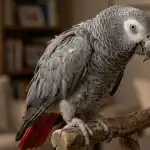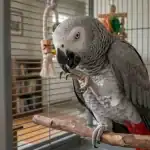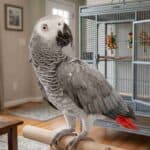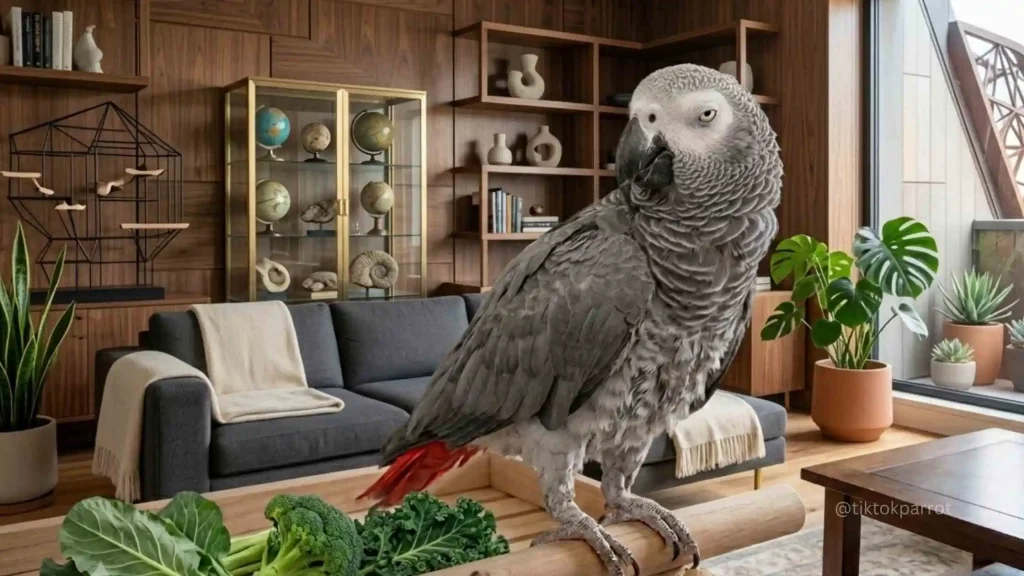
Ask any experienced African Grey owner or avian vet what the most commonly overlooked nutrient in a captive parrot’s diet is, and the answer is almost always the same: calcium. African Grey parrots have a well-documented, species-specific need for higher calcium levels than most other parrots — and when that need goes unmet, the consequences can be serious.
Hypocalcemia (low blood calcium) is one of the most frequently diagnosed nutritional problems in African Greys, linked to seizures, weak bones, poor feather quality, and reproductive complications.
The good news is that some of the best calcium sources for your Grey are simple, affordable vegetables you can pick up at any supermarket. This guide covers the top high-calcium vegetables for African Grey parrots, how to serve them, and what to watch out for.
Table of Contents
Why Calcium Is So Important for African Grey Parrots

African Greys are uniquely prone to calcium deficiency compared to other parrot species. Researchers and avian vets believe this is partly because their natural diet in the wild includes calcium-rich foods like mineral-heavy palm nuts and various plant matter that captive diets often fail to replicate.
Calcium plays a critical role in:
- Bone strength and skeletal development — especially in young birds
- Muscle and nerve function — including heart regulation
- Feather quality and growth
- Egg production and shell formation in breeding hens
- Preventing hypocalcemic seizures, a serious condition seen in African Greys
Calcium must also be balanced with phosphorus and vitamin D3, which helps the body absorb calcium properly. Too much phosphorus relative to calcium can block absorption, so diet composition matters — not just quantity.
The Best High-Calcium Vegetables for African Grey Parrots
1. Kale
Kale is widely regarded as one of the best calcium-rich vegetables you can offer your African Grey. It contains approximately 150 mg of calcium per 100g and is also packed with vitamins A, C, and K. Both curly kale and lacinato (dinosaur) kale are suitable — most African Greys readily accept both.
Serve it raw and chopped, or lightly steamed to soften the texture. Raw kale retains more nutrients, but steaming can make it more palatable for birds that are new to leafy greens.
One note: kale contains oxalates, which can interfere with calcium absorption in large quantities. Rotating it with other vegetables is the best approach rather than feeding it exclusively.
2. Bok Choy (Pak Choi)
Bok choy is an excellent choice for African Greys because it has a low oxalate content, meaning the calcium it provides is more bioavailable than in some other greens. It contains around 105 mg of calcium per 100g and has a mild flavor that many Grey parrots enjoy.
Both the leafy green tops and the crunchy white stalks are safe and nutritious. Bok choy can be offered raw or lightly wilted, and many birds enjoy tearing apart the stalks, which also provides valuable enrichment.
3. Broccoli
Broccoli is a calcium powerhouse that African Greys tend to love. It provides approximately 47 mg of calcium per 100g in the florets, with the leaves and stalks containing even more. It’s also rich in vitamin C, vitamin K, and folate.
Offer broccoli raw or very lightly steamed. The florets, stems, and leaves are all safe. Many African Greys enjoy the texture of the crunchy stems, making broccoli both a nutritional win and a foraging opportunity.
4. Collard Greens
Collard greens are among the highest-calcium vegetables available, containing roughly 232 mg of calcium per 100g — one of the best plant-based calcium sources you can offer. They are also low in oxalates, making that calcium highly usable by your bird’s body.
Collard greens have a slightly tougher texture than other leafy greens, so chopping them into smaller pieces or lightly wilting them can make them more accessible. They pair well with other vegetables in a chop mix.
5. Turnip Greens
The leafy tops of the turnip plant are nutritional gold for African Greys, containing around 190 mg of calcium per 100g. They’re also a good source of vitamins A and C. Turnip greens have a mildly bitter flavor, so introduce them gradually if your Grey is a fussy eater.
6. Watercress
Watercress packs an impressive 120 mg of calcium per 100g and is also rich in iron, potassium, and vitamin C. Its peppery taste can take some getting used to, but many African Greys develop a real appetite for it. Serve it fresh and washed, and offer it as part of a mixed veggie bowl for best acceptance.
7. Mustard Greens
Mustard greens are another calcium-rich leafy vegetable your African Grey can benefit from, providing around 115 mg of calcium per 100g. They have a slightly spicy flavor and are high in vitamins A, C, and K. Like turnip greens, they can be introduced gradually, mixed with more familiar vegetables to encourage acceptance.
8. Okra
Okra offers a more modest calcium content of around 82 mg per 100g, but it’s uniquely enjoyable for African Greys because of its texture and the fun of pulling apart its pods. It’s also a good source of magnesium and folate. Offer it raw — sliced or whole — for the best nutritional benefit and enrichment value.
Vegetables to Use with Caution
Not all “healthy” vegetables are equally beneficial when calcium is your focus. A few worth flagging:
- Spinach — High in calcium on paper, but very high in oxalic acid, which binds calcium and prevents absorption. Feed sparingly.
- Beet greens — Similar issue to spinach; high oxalate content limits calcium bioavailability.
- Rhubarb — Avoid entirely. Contains toxic levels of oxalic acid.
How to Serve Vegetables to Your African Grey
African Greys can be notoriously stubborn about new foods, particularly if they were weaned onto seeds or a limited diet. Here are practical strategies that work:
- Make a “chop” — Finely chop a mix of high-calcium vegetables and freeze in ice cube trays. Thaw a portion daily. The variety encourages exploration.
- Eat in front of your bird — African Greys are social and observational. Pretend to eat the vegetables yourself; many birds will want to try what you’re having.
- Mix new with familiar — Tuck new vegetables into a bowl with something your bird already likes to build positive association.
- Offer consistently — It can take 10 to 20 presentations of a new food before an African Grey accepts it. Don’t give up after one rejection.
- Serve at the right temperature — Room temperature or very slightly warm vegetables are more appealing than cold, refrigerator-temperature food.
Supporting Calcium Absorption: The Vitamin D3 Link
Even with the best high-calcium diet, your African Grey won’t absorb calcium properly without adequate vitamin D3. In the wild, African Greys synthesize D3 through sunlight exposure. Indoors, this is hard to replicate. Options include:
- Providing full-spectrum UVB lighting (specifically designed for birds) for 4–6 hours daily
- Offering a vet-recommended calcium and D3 supplement if dietary intake is insufficient
- Scheduling regular blood calcium checks with an avian vet, especially for breeding hens or birds showing any neurological signs
Frequently Asked Questions
What is the best vegetable for calcium for an African Grey parrot?
Collard greens and turnip greens are among the highest in calcium and have low oxalate levels, making their calcium highly bioavailable. Kale and bok choy are also excellent options.
How often should I feed high-calcium vegetables to my African Grey?
High-calcium leafy greens should ideally be offered daily as part of a varied diet. Rotating between different vegetables ensures a broad nutritional profile and prevents over-reliance on any single food.
Can I give my African Grey spinach for calcium?
Spinach can be offered occasionally but should not be a calcium staple. Its high oxalic acid content binds calcium, making it difficult for the body to absorb. Collard greens and bok choy are better daily choices.
Do I need to cook vegetables before giving them to my African Grey?
Most vegetables are best served raw to preserve nutrients. Light steaming is fine to soften texture for reluctant eaters, but avoid heavy cooking that strips nutritional value.
How do I know if my African Grey is calcium deficient?
Signs of calcium deficiency include tremors or seizures, weakness, poor feather quality, and reproductive problems in hens. An avian vet can confirm with a blood test. Don’t wait for severe symptoms — routine checkups with blood panels are the best way to catch deficiencies early.
Conclusion
High-calcium vegetables are one of the most practical and powerful tools you have to protect your African Grey’s long-term health. Collard greens, kale, bok choy, broccoli, turnip greens, and watercress are all excellent additions to your bird’s daily diet. The key is variety, consistency, and pairing those vegetables with adequate vitamin D3 so the calcium can actually be absorbed.
A diet built around fresh, calcium-rich produce — supported by an avian vet’s guidance — gives your African Grey the nutritional foundation it needs to thrive for decades.
If you enjoyed this blog, we’d truly appreciate it if you shared it with your family and friends who might find it helpful too. And if you love African Greys, we’d love to have you join our community of Grey owners! Connect with fellow enthusiasts, share your experiences and tips, ask questions, and learn from one another as we celebrate these amazing birds together.
Stay safe and much love!


Hey there! 🐾 Looking for top-notch pet supplies or anything on Amazon?
Support our site by shopping on Amazon through our this referral link, it will not cost you extra!
Your purchases on Amazon can help us continue providing valuable content.
Thank you for your support! 🛍️