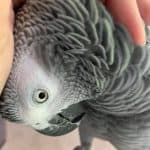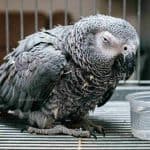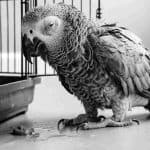
Chlamydiosis is one of the few African Grey health conditions that concerns not just the bird, but everyone living in the household. Also known as avian chlamydiosis or, in its human form, psittacosis, this bacterial infection is genuinely treatable, but it’s also genuinely contagious, and it’s a condition every African Grey owner should be able to recognize.
This guide breaks down what chlamydiosis actually is, how it shows up in African Greys, why it matters for human health too, and what a typical diagnosis and treatment process looks like.
Table of Contents
What Is Chlamydiosis?
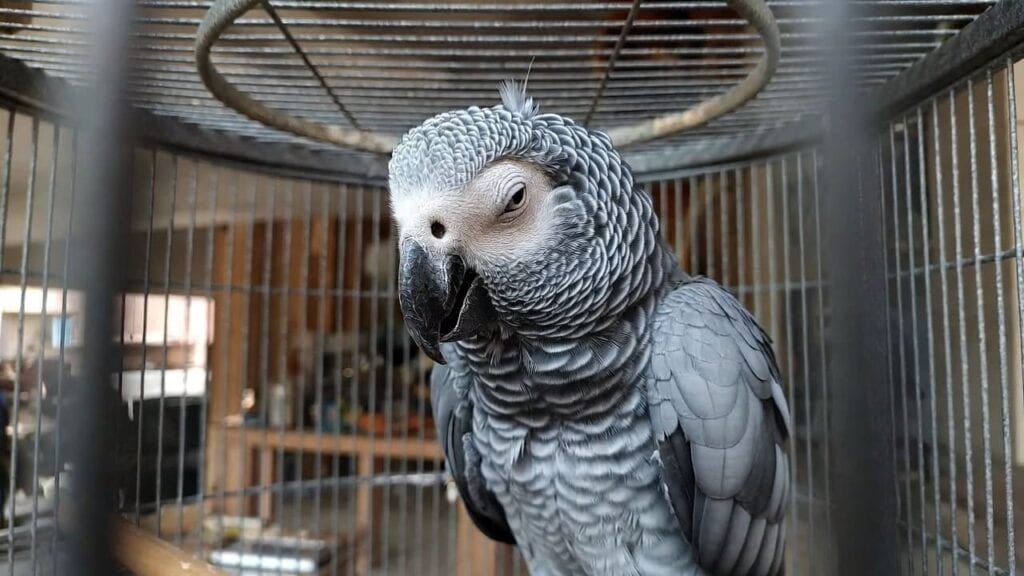
Chlamydiosis in birds is caused by a bacterium called Chlamydia psittaci (sometimes still referred to by its older name, Chlamydophila psittaci). It’s a well-documented pathogen in pet birds, with parrots and pigeons among the species most commonly affected. The infection can involve multiple organ systems, most often the respiratory tract, digestive tract, liver, and spleen.
What makes chlamydiosis particularly tricky is that the bacteria can enter a dormant phase inside the bird’s body, during which standard antibiotics have little to no effect. This is part of why long, uninterrupted treatment courses are so important, a point we’ll return to below.
Symptoms of Chlamydiosis in African Greys
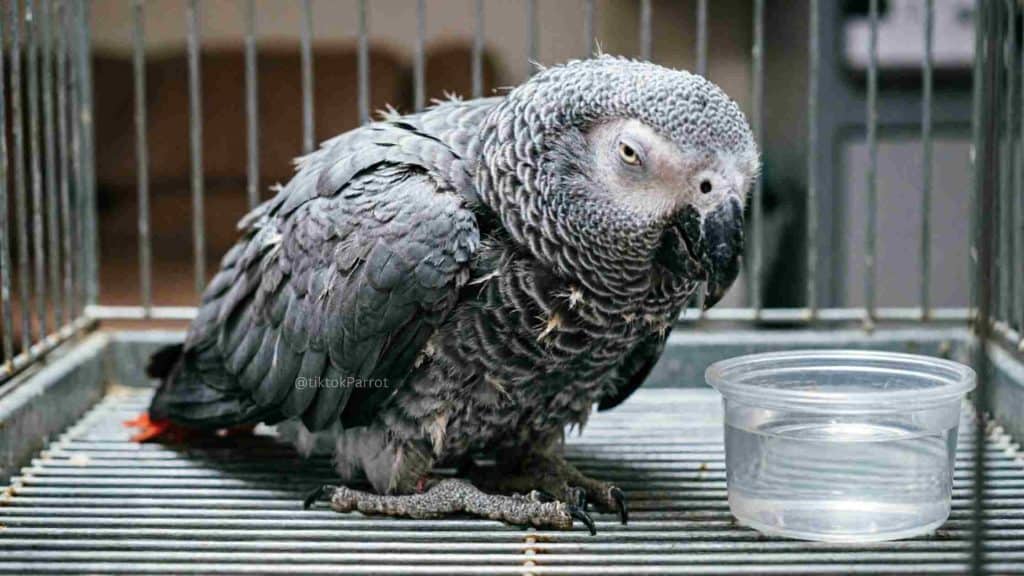
Clinical signs vary enormously from bird to bird. Some African Greys become severely ill quickly, while others carry the bacteria with barely noticeable symptoms for extended periods. Watch for:
Respiratory signs:
- Sneezing or nasal discharge
- Labored or rapid breathing
- Conjunctivitis (swollen, irritated, or discharging eyes)
- Sinusitis
Digestive and systemic signs:
- Diarrhea
- Green or yellow-green droppings, caused by liver involvement
- Loss of appetite and noticeable weight loss
- Lethargy and general depression
- Fluffed-up feathers and reduced activity
Other possible signs:
- Feather picking or excessive chewing at the skin, sometimes linked to internal discomfort
- Neurological symptoms or seizures in more advanced cases
- Sudden death in otherwise seemingly healthy birds, particularly in severe or acute infections
It’s worth emphasizing that some infected African Greys show no obvious symptoms at all. Asymptomatic carrier birds can still shed the bacteria, which is a major reason chlamydiosis spreads so easily in multi-bird households and pet stores.
Why Chlamydiosis Is a Zoonotic Concern
Chlamydiosis is a zoonotic disease, meaning it can pass from birds to humans. In people, the illness is called psittacosis, sometimes nicknamed “parrot fever,” and it typically causes flu-like symptoms such as fever, chills, headache, muscle aches, and respiratory infection. In more serious cases, it can progress to pneumonia.
The bacteria spread primarily through dried droppings and respiratory secretions, which can become airborne as dust when a cage is cleaned or disturbed. Importantly, a bird doesn’t need to look sick to pose a risk; asymptomatic carriers can still shed enough bacteria to infect the people around them.
Practical precautions for owners include:
- Wearing a mask when deep-cleaning cages, especially during an active infection
- Keeping cages and surrounding areas well ventilated
- Washing hands thoroughly after handling birds or cleaning enclosures
- Informing your doctor about bird exposure if you develop unexplained flu-like symptoms, since psittacosis is often missed without that context
How Vets Diagnose Chlamydiosis
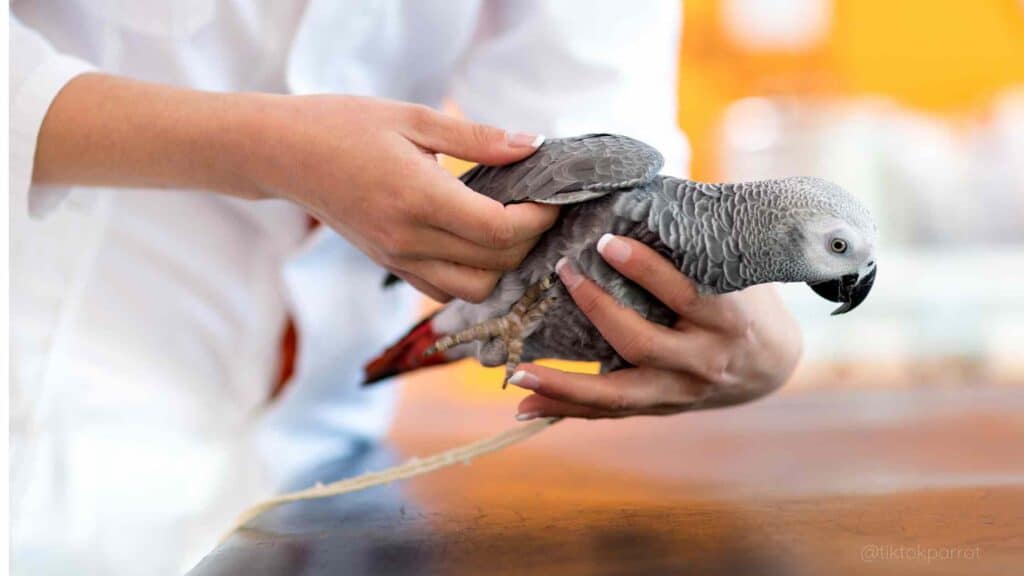
Diagnosis typically combines several approaches, since no single test is considered fully definitive on its own:
- Physical exam and history, including questions about droppings, appetite, and respiratory symptoms.
- PCR testing on choanal and cloacal swabs to detect bacterial DNA.
- Bloodwork, which may show changes like anemia or shifts in white blood cell counts consistent with infection.
- Radiographs, particularly if organ enlargement or respiratory involvement is suspected.
Because the bacteria can be shed intermittently, a single negative test doesn’t always rule out infection, and vets sometimes recommend repeat testing if clinical suspicion remains high.
Treatment: What to Expect
The standard treatment for chlamydiosis is a prolonged course of doxycycline, typically given orally or by injection. Treatment courses commonly run around 42 to 45 days, and this length isn’t negotiable: because the bacteria can enter a dormant state, stopping treatment early is one of the most common reasons for relapse.
Key points about treatment:
- Consistency matters enormously. Missed doses can allow the bacteria to persist and become harder to fully clear.
- Medicated water is less reliable than direct oral or injectable dosing, since sick birds often drink less than usual.
- Follow-up testing is typically used to confirm the infection has cleared before treatment is considered complete.
- In multi-bird households, vets often recommend testing and, in some cases, treating all birds that have had contact with an infected individual.
With proper treatment, the outlook for most African Greys is good. Early, uncomplicated cases generally respond well, while untreated or advanced infections carry a much higher risk of serious complications or death.
Common Mistakes Owners Make
- Stopping antibiotics early once the bird seems to feel better, which allows the infection to resurface.
- Assuming a healthy-looking bird can’t be contagious. Asymptomatic carriers are a real and common source of spread.
- Skipping human medical follow-up. Owners who develop unexplained flu-like symptoms during or after a bird’s chlamydiosis diagnosis should mention the exposure to their doctor.
- Not testing other household birds. Chlamydiosis spreads readily between birds sharing air space, so cage mates should be evaluated too.
- Relying on medicated water alone, which often results in inconsistent dosing.
Frequently Asked Questions
Can humans catch chlamydiosis from an African Grey parrot?
Yes, this is called psittacosis in humans and causes flu-like symptoms such as fever, chills, and muscle aches, and can occasionally progress to pneumonia if untreated.
What are the first signs of chlamydiosis in African Grey parrots?
Early signs often include lethargy, fluffed feathers, reduced appetite, and mild respiratory symptoms like sneezing or eye discharge, though some birds show no obvious symptoms at all.
How long does chlamydiosis treatment take in parrots?
Treatment typically involves a doxycycline course lasting around 42 to 45 days, and completing the full course without interruption is essential for clearing the infection.
Can a bird carry chlamydiosis without showing symptoms?
Yes, asymptomatic carriers are common and can still shed the bacteria, making them a hidden risk to both other birds and humans in the household.
Is chlamydiosis fatal in African Grey parrots?
Untreated or severe cases can be fatal, particularly in acute infections, but most early and properly treated cases have a good prognosis.
How is chlamydiosis diagnosed in parrots?
Vets typically use a combination of PCR testing on swabs, bloodwork, and sometimes radiographs, since no single test is considered fully definitive on its own.
Should I test my other birds if one has chlamydiosis?
Yes, testing all birds that have had contact with an infected individual is generally recommended, since the bacteria spreads easily through shared air and surfaces.
Conclusion
Chlamydiosis is a manageable but serious condition that deserves to be taken seriously by every African Grey owner, both for the bird’s sake and for the health of everyone in the household. Recognizing the early warning signs, understanding the zoonotic risk, and committing fully to a proper treatment course gives infected birds the best chance at a full recovery.
If you notice respiratory symptoms, changes in droppings, or unexplained lethargy in your Grey, don’t wait: an early veterinary visit protects both your bird and your family.
If this blog post has helped you, please share it with your family and friends who might also find it helpful. If you love African Greys, join our community of Grey owners! You can meet other owners, share tips and learn from each other.
Stay safe and much love!


Hey there! 🐾 Looking for top-notch pet supplies or anything on Amazon?
Support our site by shopping on Amazon through our this referral link, it will not cost you extra!
Your purchases on Amazon can help us continue providing valuable content.
Thank you for your support! 🛍️