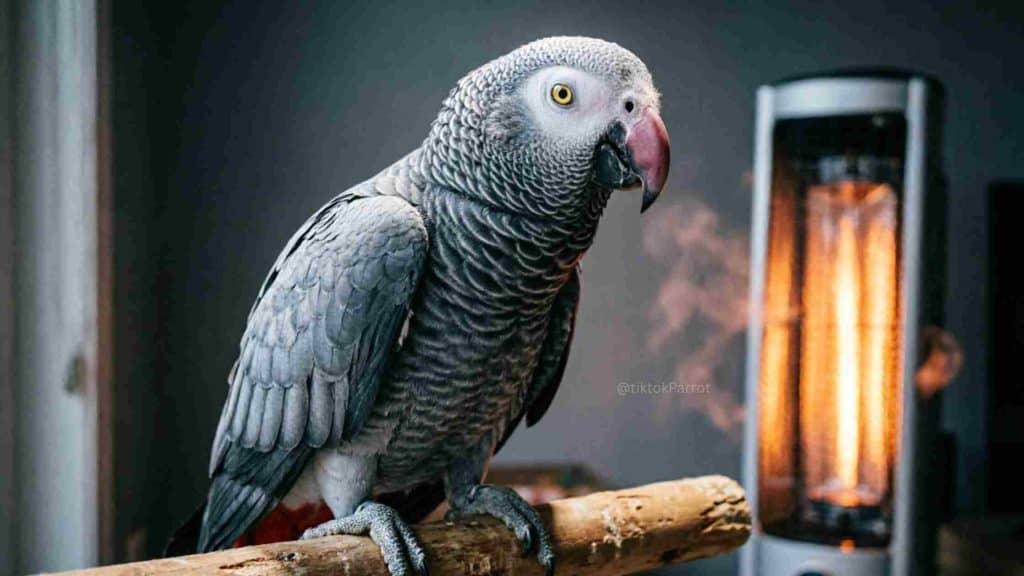
Getting the temperature right in your African Grey’s living space is one of those care details that’s easy to overlook, but it has a real impact on your bird’s comfort, stress levels, and long-term respiratory health. Because African Greys originate from the warm, humid rainforests of West and Central Africa, their bodies are naturally adapted to a fairly specific comfort range, and consistency matters just as much as hitting an exact number.
This guide covers the ideal temperature range for African Greys, why consistency is so important, and how to recognize when a room is too hot or too cold for your bird.
Table of Contents
The Ideal Temperature Range for African Greys
Most avian care sources agree that African Greys do best in a room maintained between roughly 70°F and 80°F (about 21°C to 27°C), which closely mirrors the moderate, humid climate of their native rainforest habitat. Some sources note that Greys, thanks to their larger body size compared to smaller parrot species, can comfortably tolerate slightly cooler conditions as well, generally not dropping much below the mid-to-high 60s Fahrenheit (roughly 18°C to 20°C).
The bigger takeaway across nearly all expert guidance is this: consistency matters more than hitting one perfect number. A steady, stable temperature within this general range is far better for your bird’s wellbeing than occasional visits to the “ideal” number surrounded by frequent swings.
Why Consistency Matters More Than Precision
African Greys are highly intelligent and, according to many owners, notably perceptive of even subtle shifts in their environment. Sudden temperature changes or persistent drafts can lead to real stress, and that stress isn’t just behavioral, it can also weaken immune defenses and contribute to respiratory problems over time.
Common signs a bird may be reacting to inconsistent or uncomfortable temperatures include:
- Increased vocalization or restlessness
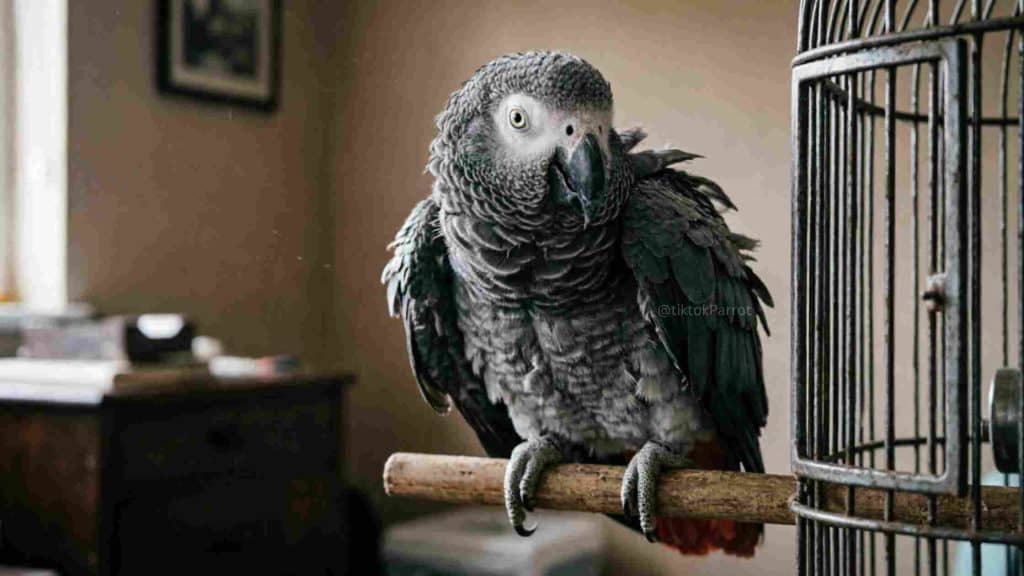
- Huddling in a corner of the cage
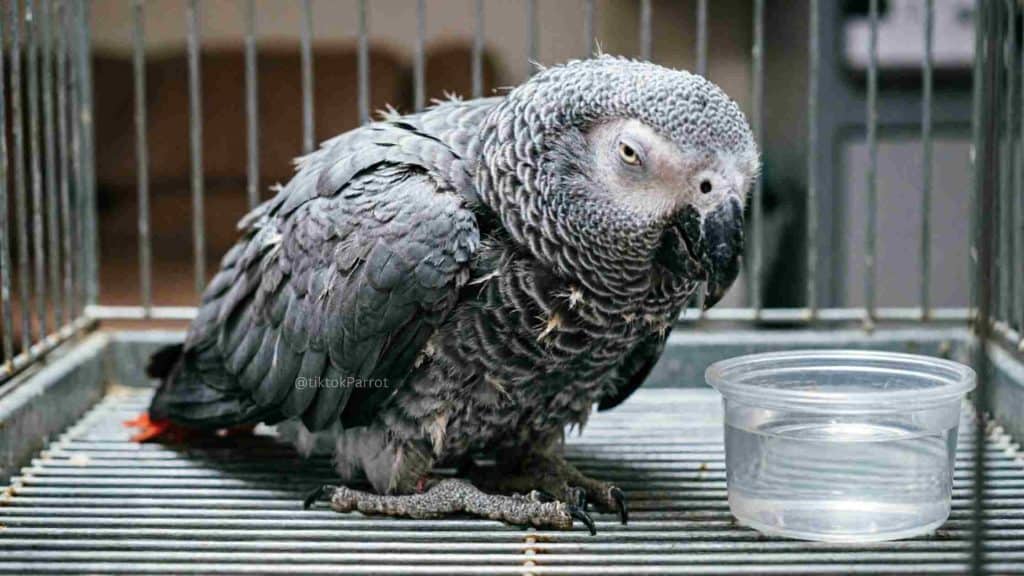
- Prolonged fluffing of feathers to trap body heat
- Reduced activity or interaction
- In more serious cases, contributing to feather plucking or immune-related illness
Signs Your African Grey Is Too Cold
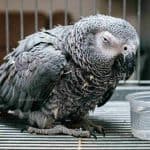
- Feathers fluffed up for extended periods, an attempt to trap warm air close to the body
- Reduced activity, sitting quietly rather than engaging normally
- Shivering, in more pronounced cases
- Seeking out the warmest available spot in the cage or room
Prolonged exposure to cold, or persistent drafts, can weaken a bird’s immune system and increase susceptibility to respiratory illness, particularly if the bird is also wet from a recent bath. Because of this, birds should generally be moved to a warmer area to dry off after bathing rather than left in a cooler part of the room.
Signs Your African Grey Is Too Hot
- Panting or open-mouth breathing
- Holding wings away from the body to release heat
- Restlessness or agitation
- Seeking out the coolest available spot in the cage
Temperatures approaching or exceeding roughly 80°F to 85°F warrant closer attention, along with improved ventilation, airflow, or additional cooling measures to prevent heat-related stress.
Practical Tips for Maintaining the Right Temperature
- Use a reliable thermometer in the room where your Grey’s cage is kept, rather than relying on how the room feels to you, since human comfort and avian comfort don’t always align perfectly.
- Avoid placing the cage near drafty windows or doors, where temperature swings are most likely to occur.
- Keep the cage away from direct heating sources, like radiators or heating vents, which can create uncomfortably hot, localized spots.
- Consider a cage cover at night, especially during colder months, to help buffer against temperature drops while your bird sleeps.
- Use a bird-safe heating panel on one side of the cage if your home tends to run cool, allowing your Grey to choose whether to use the extra warmth.
- Ensure good ventilation during warmer months to prevent heat buildup, particularly in rooms that receive a lot of direct sunlight.
- Introduce temperature changes gradually rather than abruptly, since sudden shifts are more stressful than a steady, moderate climate.
A Note on Humidity
While this guide focuses specifically on temperature, it’s worth mentioning that humidity plays a closely related role in African Grey comfort, given their rainforest origins.
Very dry air, common in heated homes during winter, can contribute to dry skin, itchy feathers, and respiratory irritation, so many owners find that maintaining moderate humidity alongside a stable temperature offers the most complete comfort for their bird.
Common Mistakes Owners Make
- Relying on how the room feels rather than an actual thermometer reading. Human comfort and avian comfort don’t always match.
- Placing the cage too close to windows, doors, or direct heating and cooling vents. These spots are prone to drafts and sudden temperature swings.
- Leaving a bird in a cool area right after a bath. Wet feathers make birds significantly more vulnerable to chilling.
- Making abrupt temperature changes. Gradual adjustments are far less stressful than sudden shifts.
- Overlooking humidity. Temperature and humidity work together, and addressing only one can leave a bird still uncomfortable.
Frequently Asked Questions
What is the ideal room temperature for an African Grey parrot?
Most guidance recommends keeping the room between roughly 70°F and 80°F (21°C to 27°C), closely mirroring the moderate, humid climate of their native habitat.
Can African Greys tolerate cooler temperatures than other parrots?
Yes, thanks to their larger body size, African Greys can often tolerate slightly cooler conditions than smaller parrot species, generally down to the mid-to-high 60s Fahrenheit.
What temperature is too cold for an African Grey?
Many sources advise against keeping a Grey in an area consistently below about 65°F, since prolonged cold exposure can weaken the immune system over time.
How do I know if my African Grey is too hot?
Signs include panting, holding the wings away from the body, and restlessness, all of which suggest the bird is trying to release excess heat.
Do African Greys need a heater in their room?
Generally not, as long as the room stays consistently within the recommended range; a heater or bird-safe heating panel may help in colder climates or poorly insulated spaces.
Is temperature consistency more important than hitting an exact number?
Yes, most expert guidance emphasizes that a stable, consistent temperature within the general comfort range matters more than achieving one precise degree.
Should I cover my African Grey’s cage at night for temperature control?
Many owners do, especially during colder months, since a cage cover can help buffer against nighttime temperature drops and drafts.
Conclusion
Keeping an African Grey comfortable comes down to maintaining a steady temperature roughly between 70°F and 80°F, avoiding drafts and sudden shifts, and paying attention to the subtle signs your bird gives when something doesn’t feel right.
Consistency, more than precision, is the real key to a comfortable, low-stress environment. With a reliable thermometer, thoughtful cage placement, and a bit of seasonal adjustment, most owners can easily maintain the kind of stable climate their Grey’s rainforest instincts are naturally looking for.
If this blog post has helped you, please share it with your family and friends who might also find it helpful. If you love African Greys, join our community of Grey owners! You can meet other owners, share tips and learn from each other.
Stay safe and much love!


Hey there! 🐾 Looking for top-notch pet supplies or anything on Amazon?
Support our site by shopping on Amazon through our this referral link, it will not cost you extra!
Your purchases on Amazon can help us continue providing valuable content.
Thank you for your support! 🛍️