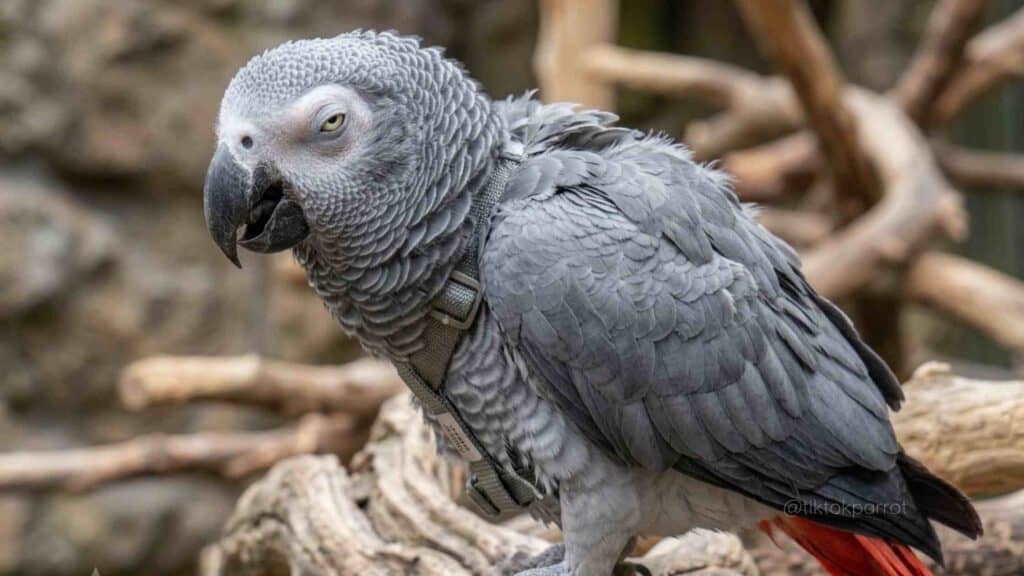
One day your African Grey is the sweet, chatty companion you adore — and the next, they’re lunging at your hand, screaming at dawn, or shredding everything in sight. If this sounds familiar, you’re almost certainly dealing with hormonal behavior.
It’s one of the most challenging aspects of living with an African Grey parrot, and unfortunately, one of the least talked about. The good news is that once you understand what’s driving the behavior, you have real, practical tools to manage it — and preserve your relationship with your bird in the process.
Table of Contents
What Is Hormonal Behavior in African Grey Parrots?
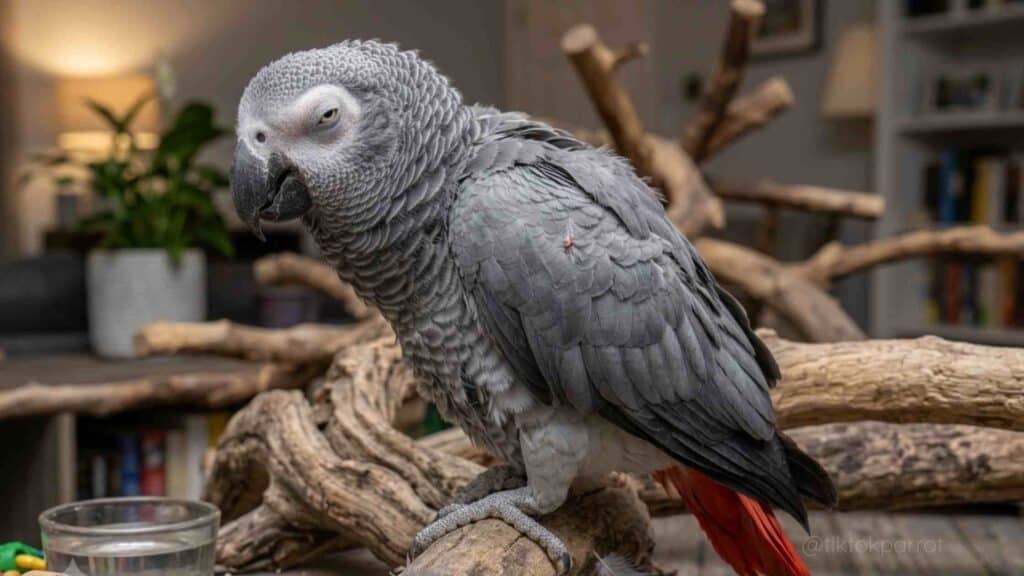
Hormonal behavior refers to a cluster of physical and behavioral changes that occur when an African Grey parrot enters breeding condition. It’s driven by seasonal hormonal surges — particularly increases in estrogen in females and testosterone in males — that prepare the bird’s body for reproduction.
This is completely natural. African Greys are wild birds at heart, and no matter how domesticated their environment, their biology runs on ancient rhythms. The problem is that in captivity, there’s no appropriate outlet for these urges, which can lead to frustration, redirected aggression, and persistent behavioral problems if not managed thoughtfully.
Hormonal seasons typically align with longer daylight hours, meaning spring is the most common trigger — but captive birds exposed to artificial lighting can cycle into breeding condition at almost any time of year.
Signs Your African Grey Is Going Through a Hormonal Phase
Recognizing the signs early allows you to respond before behaviors escalate. Common indicators include:
- Increased aggression: Biting, lunging, or feather-ruffling at familiar people, including their primary caretaker.
- Regurgitation: Offering food as a courtship gesture — often directed at a favorite person or even a toy.
- Feather fluffing and wing drooping: Classic display posturing seen in birds entering breeding condition.
- Territorial behavior: Becoming possessive over the cage, a perch, or a specific person.
- Excessive vocalization: Louder, more persistent calling — often early in the morning.
- Masturbation or rubbing: Mounting behavior directed at toys, perches, or the owner’s hand.
- Egg laying in females: Even without a male present, hormonally triggered females may begin laying unfertilized eggs.
- Mood swings: A bird that is affectionate one moment and aggressive the next.
It’s important to understand that your Grey isn’t misbehaving out of spite. These are biologically driven responses. Treating them as bad behavior to punish will only damage trust and make things worse.
Why African Grey Parrots Are Particularly Challenging During Mating Season
African Greys are monogamous, pair-bonding birds. In the wild, they choose a single mate and dedicate their reproductive energy to that partnership. In captivity, they often redirect this bonding instinct toward their human caretaker — which means you become the mate.
This creates a complicated dynamic. When you handle your bird during a hormonal phase, your touch can inadvertently stimulate them further. Petting along the back, wings, or under the tail is especially problematic because it mimics the tactile contact mates engage in during courtship. Even well-meaning affection can intensify hormonal arousal and the behaviors that come with it.
Additionally, African Greys are highly sensitive to environmental cues. A new piece of furniture, a dark corner of the room, or even a cardboard box can trigger nesting behavior. Their intelligence means they’re also highly attuned to their owner’s emotional state — and an anxious or uncertain owner response can actually reinforce agitated behavior.
Practical Solutions for Managing Hormonal Behavior
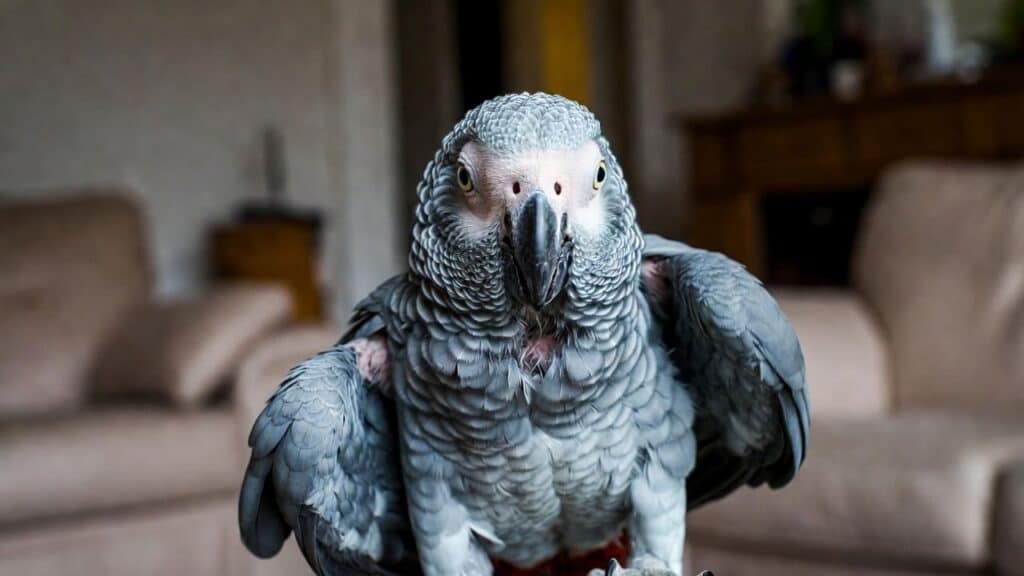
Managing hormonal seasons requires a multi-pronged approach. There’s no single fix, but combining the following strategies consistently will make a significant difference.
1. Adjust Light Exposure
Since hormonal cycles are heavily influenced by light, reducing your bird’s daily light exposure to around 10 to 12 hours can help suppress the hormonal surge. Use blackout covers or move the cage to a quieter room in the evening. Avoid placing the cage near windows where it receives intense direct sunlight for extended periods.
2. Rethink How You Touch Your Bird
Restrict petting to the head and neck only. Stroking the back, wings, or vent area sends sexual signals and amplifies hormonal responses. This is one of the single most effective behavioral adjustments an owner can make, and it often produces noticeable results within days.
3. Remove Nesting Triggers
Dark, enclosed spaces activate nesting instincts. Remove nest boxes, hide cardboard boxes, cover dark corners, and limit access to low shelves, cabinets, or any area your bird uses as a den. Even a cozy tent toy inside the cage can fuel nesting behavior in a hormonally active bird.
4. Maintain Routine and Enrichment
Hormonal frustration feeds on boredom. A mentally stimulated African Grey is a calmer one. Rotate foraging toys, introduce puzzle feeders, and ensure your bird has regular out-of-cage time with structured interaction. Physical and cognitive engagement helps redirect energy that would otherwise fuel territorial or sexual behaviors.
5. Don’t Reinforce Aggressive Behavior
When your Grey lunges or bites, the instinctive human response — pulling back, yelping, reacting emotionally — can actually reward the behavior. Stay calm, put the bird down or return them to the cage without drama, and walk away. Consistency is key. Reacting with frustration or anxiety escalates the situation rather than diffusing it.
6. Reconsider Your Role as “Mate”
If your bird is clearly pair-bonded to you, the relationship dynamic needs gentle restructuring. Encourage interaction with other household members if possible, vary who handles and feeds the bird, and avoid behaviors that reinforce the mate-bond — such as excessive one-on-one time in dark, quiet spaces.
7. Consult an Avian Veterinarian
For birds with severe or prolonged hormonal behavior — particularly females at risk from chronic egg laying — a vet visit is essential. Hormonal implants (such as Suprelorin/deslorelin) are an option that some avian vets recommend for birds where behavioral management alone is insufficient. Discuss the risks and benefits carefully with a professional who knows your bird’s health history.
What NOT to Do During Your African Grey’s Hormonal Season
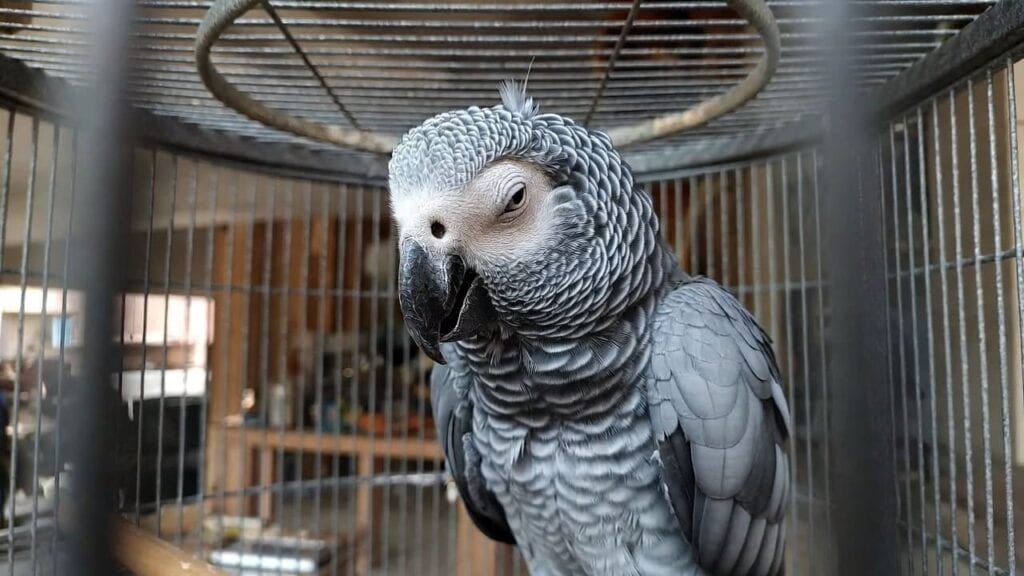
Equally important as what to do is knowing what to avoid:
- Don’t punish the bird: Scolding or physical correction increases stress and erodes trust without addressing the underlying cause.
- Don’t allow access to nest sites: Even temporary access can set off a nesting cycle that’s difficult to interrupt.
- Don’t over-handle: Forcing interaction when your bird is clearly overstimulated will result in bites and set back your relationship.
- Don’t ignore egg-laying health risks: A female laying repeatedly without proper calcium intake is at serious risk of egg binding and metabolic bone issues.
Frequently Asked Questions
How long does hormonal behavior last in African Grey parrots?
Hormonal phases typically last a few weeks to a couple of months. In captivity, birds exposed to artificial lighting can cycle more frequently. Adjusting light exposure and removing nesting triggers helps shorten the duration.
Why is my African Grey suddenly biting me during mating season?
Aggression is a common hormonal response, particularly in bonded birds. Your Grey may be protecting their perceived territory or mate. Avoid overstimulating touch, stay calm during interactions, and give the bird space when they show warning signals like pinning eyes or fluffed feathers.
Can a single African Grey parrot show hormonal behavior?
Absolutely. You don’t need a second bird for hormonal behavior to occur. Single birds commonly direct courtship behavior toward their human, toys, or a mirror. The same management strategies apply.
Should I get my African Grey a mate to calm hormonal behavior?
This is rarely the right solution. Introducing a second bird is a major commitment and does not guarantee behavioral improvement. It can also disrupt your bond with your existing bird. Focus on environmental management first and consult an avian vet before making this decision.
Is hormonal behavior in African Grey parrots permanent?
No. It’s seasonal and cyclical. With consistent management, most birds settle back into their normal temperament once the hormonal phase passes. Birds that receive appropriate care and structure tend to have milder and shorter seasons over time.
Conclusion
Hormonal behavior in African Grey parrots is challenging, but it’s a natural part of life with one of the most intelligent birds on earth. The key is to approach it with patience, consistency, and knowledge rather than frustration.
By adjusting light exposure, modifying how you interact with your bird, removing nesting triggers, and keeping life stimulating and structured, you can guide your Grey through mating season with your relationship — and your fingers — intact.
This phase will pass. And when it does, the brilliant, affectionate companion you know will return.
If you liked this blog, please share it with your family and friends who might also find it helpful. If you love African Greys, join our community of Grey owners! You can meet other owners, share tips and learn from each other.
Stay safe and much love!


Hey there! 🐾 Looking for top-notch pet supplies or anything on Amazon?
Support our site by shopping on Amazon through our this referral link, it will not cost you extra!
Your purchases on Amazon can help us continue providing valuable content.
Thank you for your support! 🛍️