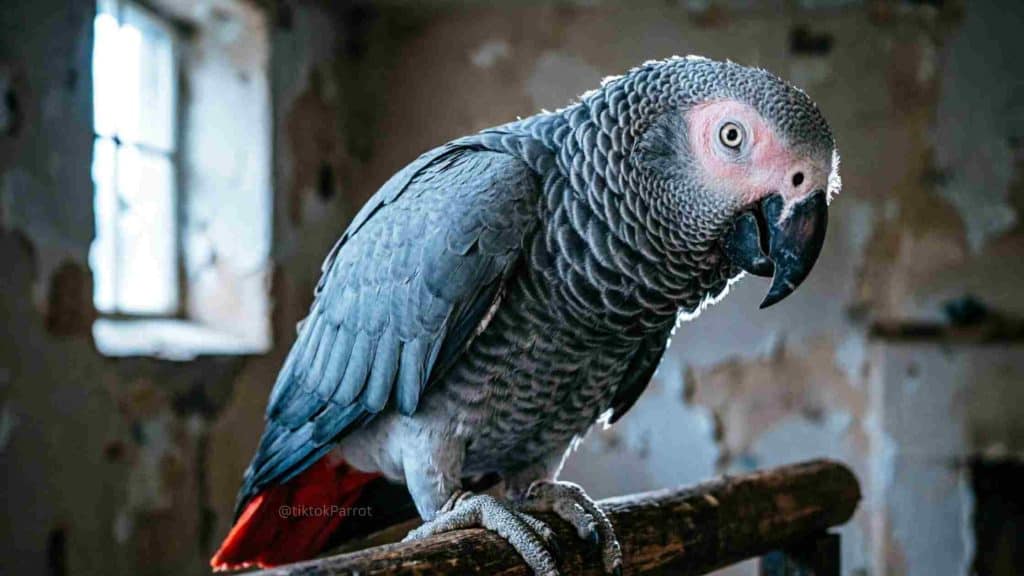
Few birds capture the imagination quite like the African Grey. Renowned for their near-human vocabulary, sharp problem-solving skills, and expressive personalities, they’ve earned a reputation as the “Einsteins” of the parrot world. But that same intelligence and emotional depth that makes them fascinating also makes them one of the most demanding pets a person can bring home.
Before you commit to sharing your life with an African Grey for the next several decades, it’s worth understanding exactly what you’re signing up for. This guide breaks down the real advantages and real challenges of African Grey ownership, based on what actual owners experience day to day.
Table of Contents
Why People Fall in Love with African Greys
Exceptional Intelligence
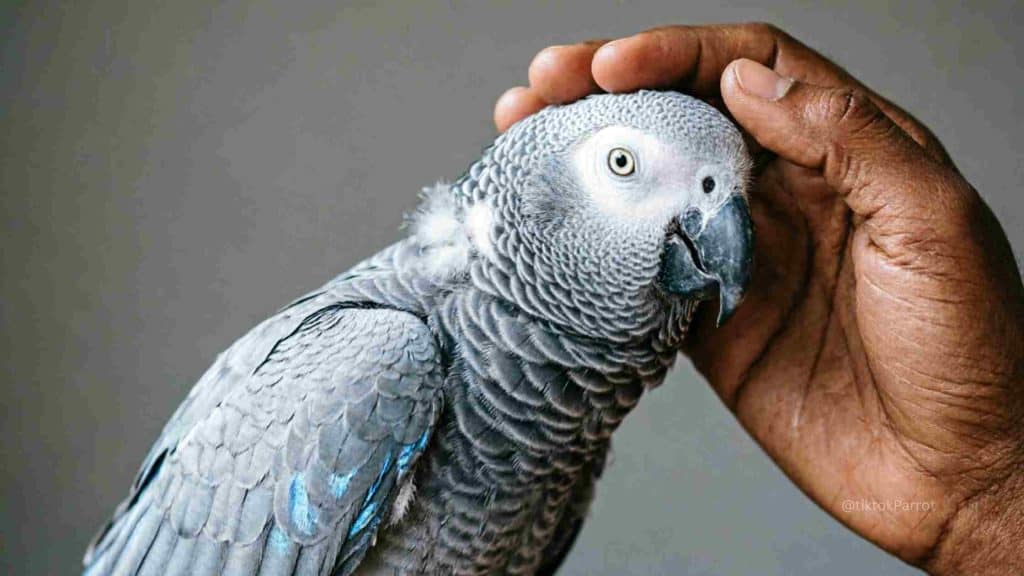
African Greys are consistently ranked among the most intelligent birds on the planet. Research has shown they can understand concepts like same versus different, shape, and quantity, and some individuals have demonstrated vocabulary comprehension comparable to a young child. This isn’t just mimicry: many Greys use words in context, request specific items, and even seem to express preferences and frustration through language.
Remarkable Talking Ability
While many parrot species can mimic sounds, African Greys are famous for clear, well-articulated speech. Owners often report their bird learning dozens or even hundreds of words and phrases, using them appropriately during conversations, on the phone, or when greeting visitors.
Deep Emotional Bonds
Greys are known for forming intensely loyal bonds with their owners. Many develop a favorite person and will seek out affection, cuddles, and interaction throughout the day. For owners who want a genuinely interactive companion rather than a “look but don’t touch” pet, this bond is one of the biggest draws.
Long Lifespan
With proper care, African Greys commonly live 40 to 60 years, occasionally longer. For someone looking for a true lifelong companion, this longevity is a major advantage, though as we’ll cover below, it’s also a serious responsibility.
Entertaining Personalities
Greys are curious, playful, and often surprisingly funny. They enjoy puzzle toys, foraging games, and problem-solving activities, and many owners describe their bird’s personality as closer to a toddler than a typical pet.
The Real Challenges of Owning an African Grey
High Maintenance Care Requirements
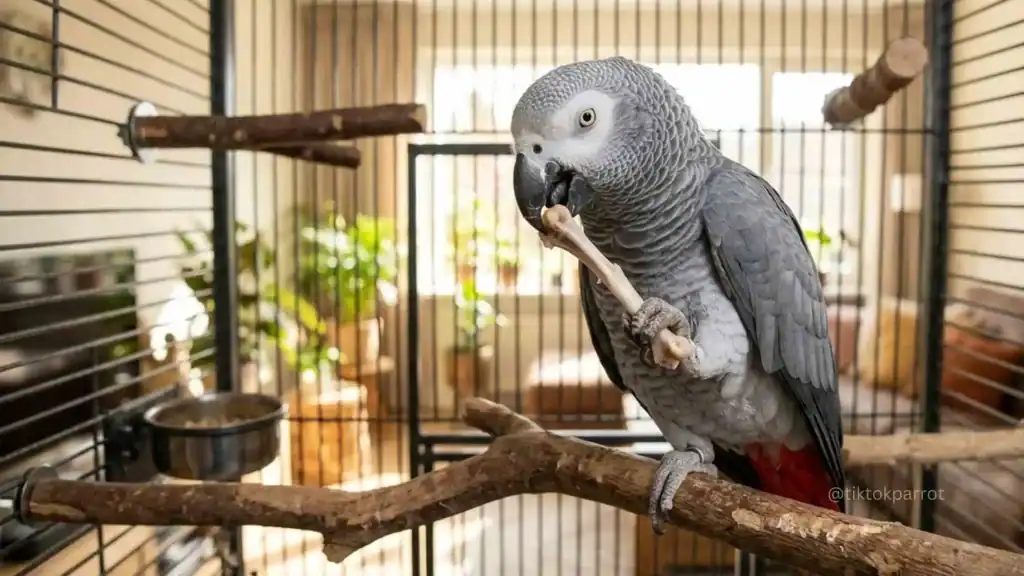
African Greys need far more than food and water. A healthy routine includes:
- Daily out-of-cage time for exercise and mental stimulation
- A large, spacious cage with room to climb and play
- A varied diet of pellets, vegetables, and limited fruit
- Regular rotation of toys to prevent boredom
- Consistent daily interaction
Skipping any of these consistently leads to behavioral or health problems, which brings us to the next point.
Prone to Feather Plucking and Stress
African Greys are famously sensitive birds, and stress, boredom, or an inconsistent routine can trigger feather plucking, a behavior that’s notoriously difficult to reverse once it starts. Environmental changes, lack of stimulation, or insufficient social interaction are common triggers.
Loud and Vocal
Their talking ability comes with a trade-off: African Greys can be loud, particularly during certain times of day, and their vocalizations include not just speech but also natural screams and calls. This can be a serious consideration for apartment dwellers or households with noise-sensitive neighbors.
Long-Term Commitment
A 40-to-60-year lifespan means an African Grey could easily outlive the owner who buys it. Prospective owners need to think seriously about long-term care planning, including what happens to the bird if personal circumstances change.
Expensive to Own Properly
Between the initial purchase price, a large cage, toys, a varied fresh diet, and avian veterinary care (which is more specialized and costly than typical cat or dog visits), African Greys are a significant financial commitment over their lifetime.
Emotionally Demanding
Because they bond so deeply, Greys can become anxious, withdrawn, or even aggressive if they feel neglected or if their routine is disrupted. They require patient, emotionally attuned owners who can read subtle behavioral cues.
Messy Eaters
Greys tend to fling food, shells, and debris around their cage during meals and foraging, so daily cleanup is part of the routine.
Is an African Grey Right for You?
Before bringing one home, honestly consider:
- Do you have several hours a day for interaction? Greys thrive on daily engagement, not occasional attention.
- Can you commit for decades? This isn’t a five or ten-year pet.
- Is your living situation compatible with a vocal bird? Thin apartment walls and demanding neighbors can be a problem.
- Can you afford specialized avian veterinary care? Routine and emergency care add up over a lifespan this long.
- Are you prepared for behavioral challenges? Feather plucking, biting, and mood swings can occur even with excellent care.
Frequently Asked Questions
Are African Grey parrots good pets for beginners?
Generally, no. Their emotional sensitivity, vocal needs, and long lifespan make them better suited to experienced bird owners who understand parrot behavior.
How long do African Grey parrots live?
With proper care, African Greys typically live 40 to 60 years, and some individuals have lived even longer in captivity.
Are African Grey parrots loud?
Yes, they can be quite vocal, combining their impressive talking ability with natural screams and calls, especially around dawn and dusk.
Do African Grey parrots bond with one person?
Many do form a strongest bond with a single “favorite” person, though consistent handling by multiple family members can help them stay comfortable with everyone.
Why do African Greys pluck their feathers?
Feather plucking is often linked to stress, boredom, insufficient social interaction, or an inconsistent routine, and it can be difficult to resolve once established.
How much does it cost to own an African Grey parrot?
Costs vary, but owners should budget for a large cage, a varied fresh diet, toys, and specialized avian veterinary visits, which together represent a significant ongoing expense.
What is the biggest downside of owning an African Grey?
Most experienced owners point to the combination of emotional sensitivity and extremely long lifespan as the biggest challenges, since the bird requires decades of consistent, attentive care.
Conclusion
African Grey parrots are extraordinary companions for the right household: intelligent, affectionate, and endlessly entertaining. But their emotional needs, noise level, long lifespan, and cost of proper care mean they’re not a casual decision.
Anyone considering bringing one home should weigh these pros and cons honestly, ideally spending time around an adult Grey before committing, to make sure this remarkable bird truly fits their lifestyle for the decades ahead.
If this blog post has helped you, please share it with your family and friends who might also find it helpful. If you love African Greys, join our community of Grey owners! You can meet other owners, share tips and learn from each other.
Stay safe and much love!


Hey there! 🐾 Looking for top-notch pet supplies or anything on Amazon?
Support our site by shopping on Amazon through our this referral link, it will not cost you extra!
Your purchases on Amazon can help us continue providing valuable content.
Thank you for your support! 🛍️