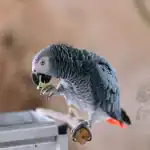
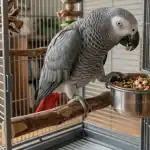
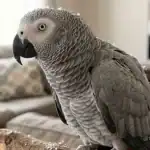
Feeding an African Grey parrot is about far more than just filling a bowl and walking away. These birds are among the most intelligent parrots in the world, and their nutritional needs are just as complex as their personalities. Get it right, and your Grey thrives — vibrant feathers, sharp mind, and a long, healthy life. Get it wrong, and you risk nutritional deficiencies, obesity, feather-destructive behavior, and a host of health problems that can be difficult and expensive to reverse.
So how many times a day should you actually feed your African Grey? The short answer is two to three times daily, but as with most things in parrot care, the details matter enormously.
Table of Contents
Understanding How African Greys Eat in the Wild
Before settling on a feeding routine, it helps to understand what your African Grey would naturally do if it were living in the forests of West and Central Africa.
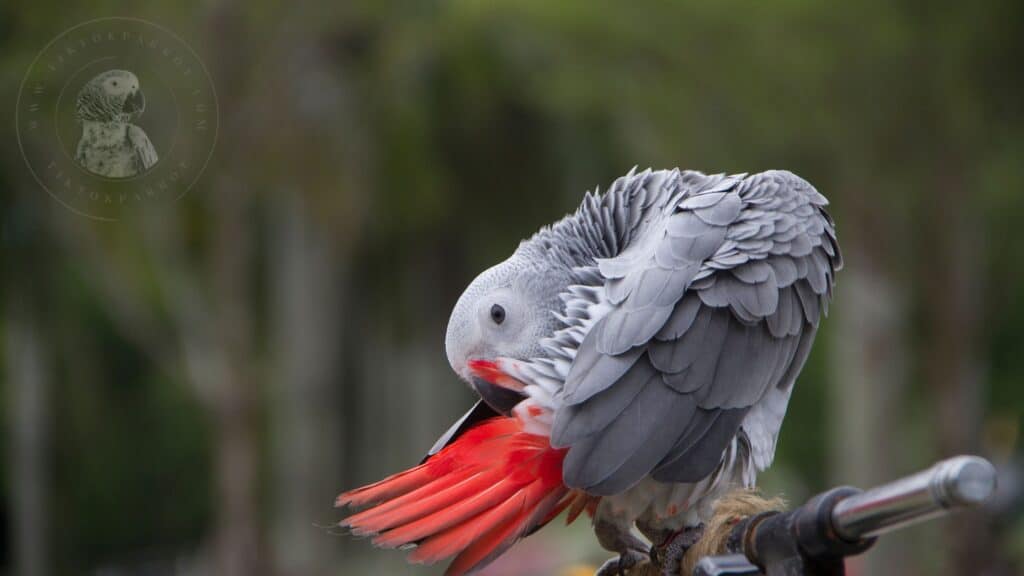
In the wild, African Greys spend a significant portion of their day foraging. They typically feed in the early morning and late afternoon, with quieter periods during the middle of the day. They forage for seeds, nuts, fruits, berries, leafy greens, bark, and occasionally insects. This activity is not just physical — it’s mentally stimulating, and that mental engagement is just as important to a Grey’s wellbeing as the food itself.
Replicating this rhythm as closely as possible in captivity gives your bird a sense of structure, reduces boredom, and prevents the kind of anxious, repetitive behaviors that African Greys are prone to when understimulated.
How Many Times a Day Should You Feed an African Grey?
Most avian veterinarians and experienced African Grey keepers recommend feeding twice a day — once in the morning and once in the late afternoon or early evening. This mirrors the natural foraging pattern and gives your bird reliable structure.
Some owners opt for three smaller meals per day, particularly if their Grey is being transitioned to a new diet, is recovering from illness, or needs more consistent monitoring of food intake. A third, midday offering of fresh vegetables or a foraging activity can work well as enrichment without overloading your bird with calories.
Morning Feeding
The morning meal is typically the most important one. African Greys tend to be hungriest after their overnight fast, and this is when they are most alert and active. A good morning meal might include:
- High-quality pellets as the base (making up 50–60% of the diet)
- A small portion of fresh vegetables such as leafy greens, bell peppers, or broccoli
- A small amount of fruit for variety and enrichment
Evening Feeding
The evening meal can be similar to the morning or slightly lighter. This is a good time to offer any cooked foods like brown rice, quinoa, or cooked legumes. Remove any uneaten fresh food before you go to bed to prevent bacterial growth in the bowl overnight.
What About Pellets — Should They Be Available All Day?
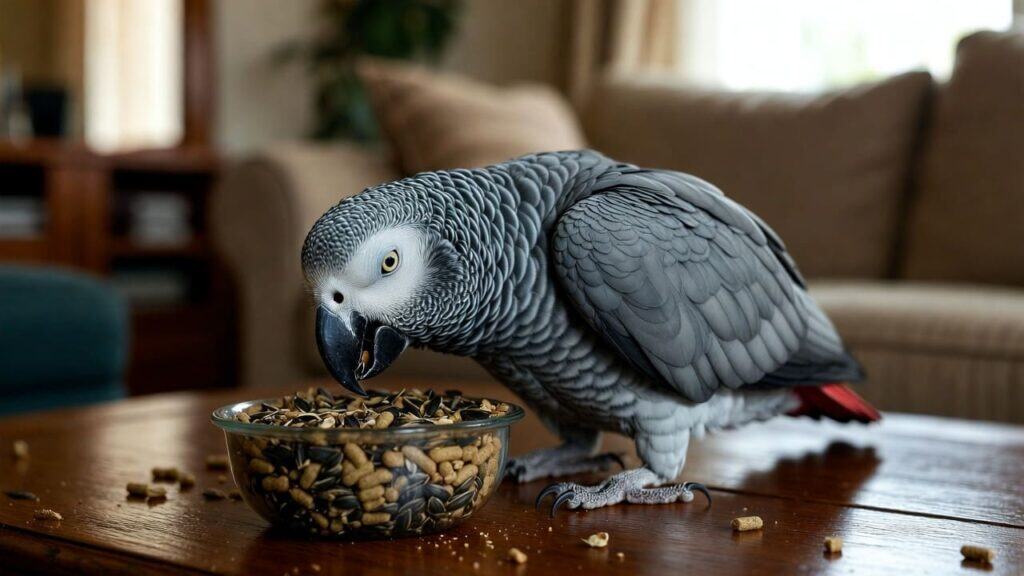
This is a topic where owners sometimes get confused. High-quality pellets can be left available throughout the day, as they do not spoil quickly and provide a consistent nutritional baseline. However, fresh foods should not be left out for more than 2 to 4 hours, especially in warmer environments, as bacteria multiply rapidly in moist food.
If you’re transitioning your African Grey from seeds to pellets — a process that can take weeks to months — having pellets available throughout the day helps encourage acceptance without causing hunger stress.
How Much Food Should an African Grey Eat Per Day?
Portion size matters. African Greys are prone to selective eating, which means they’ll pick out their favorite items (often seeds or high-fat foods) and leave the rest. If food is always available in large quantities, your bird may never be motivated to try healthier options.
A general guideline is to offer roughly 1/4 to 1/3 cup of pellets per day alongside fresh foods. The fresh food portion can be more generous — leafy greens and vegetables are low in calories and high in enrichment value. Monitor your bird’s weight monthly; a healthy adult Congo African Grey typically weighs between 400 and 650 grams depending on the individual.
The Best Foods for African Greys
Foods to Include Regularly
- High-quality pellets (Harrison’s, Roudybush, and ZuPreem Natural are popular vet-recommended brands)
- Dark leafy greens: kale, spinach, Swiss chard, dandelion greens
- Orange and red vegetables: carrots, sweet potato, red bell peppers — excellent sources of beta-carotene, which African Greys need
- Legumes and grains: cooked lentils, chickpeas, brown rice, quinoa
- Fruits: apple (no seeds), pomegranate, berries, mango — offered in moderation due to natural sugar content
Foods to Avoid
- Avocado — toxic to parrots and potentially fatal
- Chocolate and caffeine — highly toxic
- Onions and garlic — can damage red blood cells in birds
- High-salt foods — crisps, processed meats, crackers
- Fruit seeds and apple cores — contain compounds harmful to parrots
- Dairy products — birds are lactose intolerant
Common Feeding Mistakes African Grey Owners Make

Even well-intentioned owners sometimes fall into patterns that harm their bird’s health over time. Here are the most common ones to avoid:
Relying too heavily on seeds. A seed-only or seed-heavy diet was once the norm but is now known to cause serious nutritional deficiencies in African Greys, particularly vitamin A deficiency. Seeds are high in fat and low in many essential nutrients.
Overfeeding treats. Nuts like walnuts and almonds are great for training rewards but should not be offered freely. They’re high in fat and can contribute to obesity.
Not varying the diet enough. African Greys can become obsessively attached to certain foods if variety isn’t introduced early and regularly. A monotonous diet limits nutrition and makes dietary change much harder down the line.
Leaving fresh food in the cage too long. Wet or soft foods spoil quickly. Remove uneaten fresh food within 2 to 4 hours to prevent your bird from eating bacteria-laden food.
Feeding the same amount regardless of activity level. Breeding females, molting birds, or sick parrots may need dietary adjustments. Work with your avian vet to tailor portions during these times.
Using Foraging to Make Feeding Time More Meaningful
One of the most impactful things you can do for your African Grey is turn feeding into a foraging opportunity. Instead of placing all food in a bowl, try:
- Hiding pellets or small pieces of vegetable inside foraging toys
- Skewering food on a kabob stick mounted to the cage
- Wrapping small treats in paper or palm leaves for your bird to unwrap
- Placing food at different heights and locations around the cage
Foraging slows down eating, reduces boredom, and gives your Grey the mental engagement it genuinely needs. Birds that forage are significantly less likely to develop feather-destructive behavior and other stress-related problems.
Frequently Asked Questions
How many times a day should I feed my African Grey parrot?
Feed your African Grey twice a day — once in the morning and once in the late afternoon or early evening. This mirrors their natural foraging rhythm. A light midday offering of fresh vegetables is also a good enrichment option.
Can I leave food in my African Grey’s cage all day?
Pellets can be available throughout the day. However, fresh fruits, vegetables, and cooked foods should be removed after 2 to 4 hours to prevent bacterial growth.
How much should an African Grey eat per day?
A rough guideline is 1/4 to 1/3 cup of pellets daily, plus fresh vegetables and limited fruit. Monitor body weight monthly to ensure your bird is not over or underweight.
What is the best diet for an African Grey parrot?
The best diet consists primarily of high-quality pellets (50–60%), supplemented with fresh dark leafy greens, orange and red vegetables, cooked grains, and small amounts of fruit. Avoid seeds as a dietary staple.
Why is my African Grey not eating?
Loss of appetite in African Greys can indicate illness, stress, dietary boredom, or environmental changes. If your bird refuses food for more than 24 hours, consult an avian veterinarian promptly.
Conclusion
Feeding your African Grey twice a day — morning and late afternoon — is the foundation of a healthy routine. Pair this with a balanced diet of quality pellets, fresh vegetables, and varied whole foods, and you’ll be giving your bird exactly what it needs to thrive. Avoid the common pitfalls of seed-heavy diets, spoiled food left in the cage, and overreliance on treats.
Most importantly, don’t forget that for an African Grey, how you feed is just as important as what you feed. Turn mealtimes into foraging experiences, vary the offerings daily, and you’ll have a mentally stimulated, well-nourished bird for decades to come.
If this blog post has helped you, please share it with your family and friends who might also find it helpful. If you love African Greys, join our community of Grey owners! You can meet other owners, share tips and learn from each other.
Stay safe and much love!


Hey there! 🐾 Looking for top-notch pet supplies or anything on Amazon?
Support our site by shopping on Amazon through our this referral link, it will not cost you extra!
Your purchases on Amazon can help us continue providing valuable content.
Thank you for your support! 🛍️