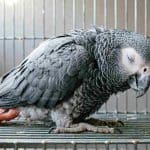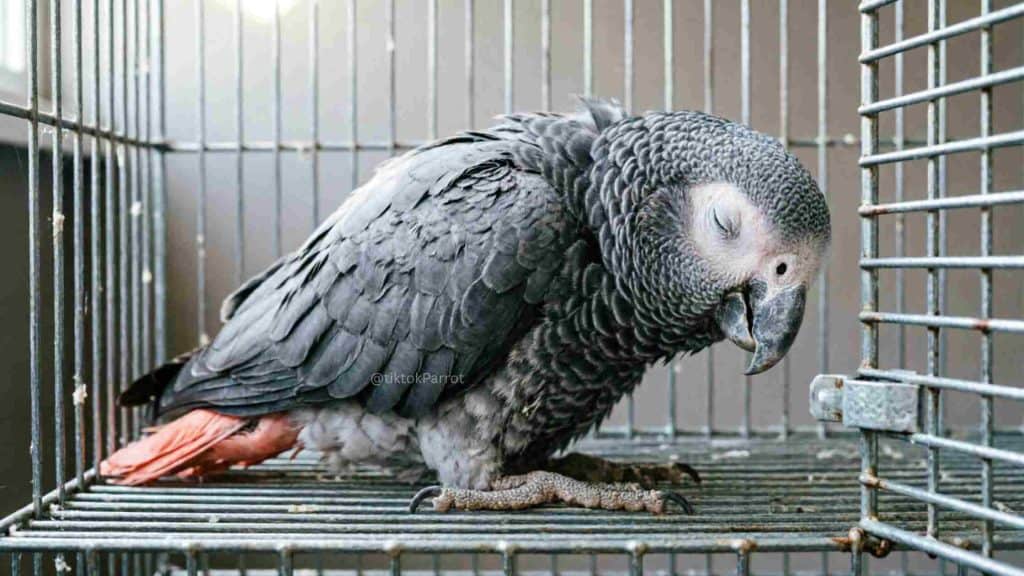
If there’s one health condition every African Grey owner should know by name, it’s hypocalcemia syndrome. Sometimes referred to as “African Grey Syndrome” in older veterinary literature, this calcium deficiency disorder is so strongly associated with the species that it’s considered a hallmark condition of African Grey health. It can be frightening to witness, since it often presents as sudden seizures in a bird that seemed perfectly fine moments earlier, but the good news is that it’s highly treatable once recognized.
This guide covers what hypocalcemia syndrome actually is, why African Greys are so uniquely prone to it, the warning signs to watch for, and what treatment and long-term prevention look like.
Table of Contents
What Is Hypocalcemia Syndrome?
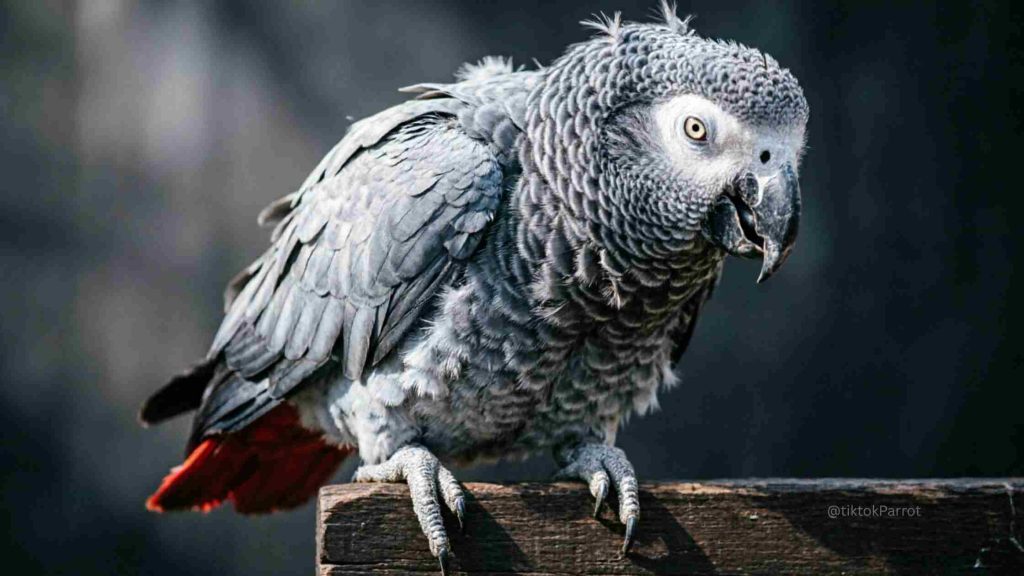
Hypocalcemia syndrome refers to abnormally low blood calcium levels that lead to neurological and muscular symptoms, most notably seizures. While low calcium can technically affect any bird, African Greys are affected far more often and more severely than most other parrot species, to the point where veterinarians consider it a breed-specific concern worth actively screening for.
Calcium plays a critical role in muscle function, nerve signaling, and countless metabolic processes throughout the body. When blood calcium drops too low, nerve and muscle cells can’t function properly, which is why the resulting symptoms range from mild incoordination to full seizure activity.
Why African Greys Are Especially Prone to This
The exact underlying cause still isn’t fully understood, but several theories have been proposed by avian veterinarians over the years, including possible dysfunction of the parathyroid gland, reduced numbers of the bone cells responsible for releasing calcium into the bloodstream, and a generally higher physiological demand for calcium in this species compared to others.
Unlike many calcium-deficiency conditions in other animals, African Greys with this syndrome often don’t show the bone demineralization typically seen when the body pulls calcium from the skeleton to compensate, suggesting something different is happening at a metabolic level.
What is well established is the connection to diet. Birds fed an all-seed diet, which is naturally low in calcium and has an imbalanced calcium-to-phosphorus ratio, are at significantly higher risk. The condition is most frequently diagnosed in younger African Greys, commonly between two and five years of age, though it has been documented in older birds as well.
Symptoms of Hypocalcemia Syndrome
Symptoms tend to progress in severity as calcium levels continue to drop, and recognizing the early signs can prevent a full seizure episode.
Early or mild signs:
- Weakness or difficulty climbing around the cage
- Clumsiness or reduced coordination
- Falling or slipping off perches
- General unsteadiness
More advanced signs:
- Loss of balance
- Muscle tremors
- Fainting spells, sometimes triggered by excitement or stress
- Full seizures, which may include convulsions, rigid muscle spasms, or an arched, twisted body posture
Owners often describe the first sign as their bird seeming “off,” clumsy, or unusually hesitant on the perch, before a more dramatic episode occurs. Because these early signs are easy to dismiss as one-off clumsiness, they’re frequently overlooked until a seizure prompts an emergency vet visit.
How Vets Diagnose Hypocalcemia Syndrome
Diagnosis is based on a combination of history, symptoms, and bloodwork:
- History and signalment. Young African Greys with a seed-heavy diet and no calcium supplementation are considered a classic risk profile.
- Blood calcium testing. Normal calcium levels in psittacine birds generally fall between roughly 8.0 and 13.0 mg/dL; birds experiencing seizures related to this syndrome often show levels below 6.0 mg/dL.
- Response to treatment. A rapid improvement after calcium administration strongly supports the diagnosis.
One important nuance: calcium levels fluctuate throughout the day, so a single blood test showing a normal result doesn’t necessarily rule out the condition. Vets may recommend repeat testing, ideally timed around symptomatic episodes, if hypocalcemia is still strongly suspected despite one normal reading.
Emergency Treatment
If your African Grey is actively having a seizure, this is an emergency requiring immediate veterinary care. Do not attempt to handle a seizing bird more than necessary, and avoid putting your fingers near the beak.
In a clinical setting, the standard emergency treatment is injectable calcium (typically calcium gluconate), administered by a veterinarian. This approach tends to produce a fast and often dramatic improvement in symptoms. Vets may also supplement with vitamins A and D, since vitamin D plays an essential role in how the body absorbs and uses calcium.
In some documented cases where calcium supplementation alone hasn’t fully resolved symptoms, magnesium deficiency has also been identified as a contributing factor, and magnesium supplementation was needed alongside calcium to stop ongoing seizure activity.
Long-Term Management and Prevention
Once a bird has been stabilized, the focus shifts to preventing recurrence through consistent dietary and lifestyle changes:
- Transition away from an all-seed diet toward a formulated pellet diet, which provides a much more balanced calcium-to-phosphorus ratio.
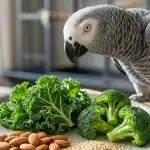
- Offer calcium-rich foods, such as leafy greens, broccoli, and other bird-safe calcium sources, alongside any vet-recommended supplementation.
- Provide appropriate vitamin D support, since calcium absorption depends heavily on adequate vitamin D levels.
- Ensure exposure to natural sunlight or full-spectrum lighting, which supports the body’s ability to produce and use vitamin D effectively; unfiltered sunlight (not through glass) is most effective.
- Schedule periodic blood calcium testing, especially for young African Greys or birds with a prior history of low calcium episodes.
- Work closely with an avian vet to build a maintenance plan, since ongoing calcium supplementation needs can vary from bird to bird.
Common Mistakes Owners Make
- Relying entirely on a seed-based diet. This remains the single most common underlying risk factor for this syndrome.
- Dismissing early clumsiness or perch-falling as accidental. These can be the first warning signs before a full seizure.
- Trusting one normal blood test to rule out the condition. Calcium fluctuates throughout the day, so repeat testing may be necessary.
- Assuming supplementation alone always resolves the issue. In some cases, other minerals like magnesium also need to be addressed.
- Delaying veterinary care during a seizure, rather than treating it as the emergency it is.
Frequently Asked Questions
What is hypocalcemia syndrome in African Grey parrots?
It’s a condition marked by abnormally low blood calcium levels that can cause muscle weakness, incoordination, and seizures, and it’s particularly common in this species.
Why are African Grey parrots prone to hypocalcemia?
The exact cause isn’t fully understood, but it’s believed to involve differences in calcium metabolism and parathyroid function, often worsened by a seed-heavy, calcium-poor diet.
What are the first signs of low calcium in an African Grey?
Early signs often include clumsiness, weakness, or falling off perches, which can be easy to overlook before a more obvious seizure occurs.
Is hypocalcemia syndrome an emergency?
Yes, active seizures require immediate veterinary attention, since injectable calcium treatment typically produces fast, significant improvement.
Can diet prevent hypocalcemia syndrome in African Greys?
Yes, transitioning from an all-seed diet to a balanced pelleted diet with appropriate calcium and vitamin D support is one of the most effective prevention strategies.
At what age do African Greys typically develop this condition?
It’s most commonly diagnosed in younger birds, often between two and five years old, though it has been documented in older African Greys as well.
Can a normal blood calcium test rule out hypocalcemia syndrome?
Not necessarily. Calcium levels fluctuate throughout the day, so a single normal result doesn’t always rule out the condition, and repeat testing may be needed.
Conclusion
Hypocalcemia syndrome is one of the most well-documented health concerns in African Greys, but it’s also one of the most manageable once owners understand the risk factors and warning signs. A calcium-poor, seed-based diet is the most common underlying cause, which means prevention is largely within an owner’s control through proper nutrition, appropriate lighting, and regular veterinary checkups.
If your Grey ever shows sudden clumsiness, weakness, or seizure activity, treat it as an emergency and get to an avian vet right away.
If this blog post has helped you, please share it with your family and friends who might also find it helpful. If you love African Greys, join our community of Grey owners! You can meet other owners, share tips and learn from each other.
Stay safe and much love!


Hey there! 🐾 Looking for top-notch pet supplies or anything on Amazon?
Support our site by shopping on Amazon through our this referral link, it will not cost you extra!
Your purchases on Amazon can help us continue providing valuable content.
Thank you for your support! 🛍️