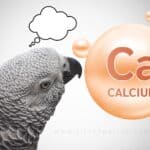
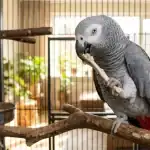
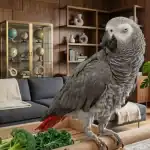
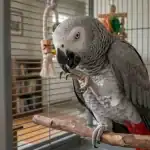
Hypocalcemia—also known as low blood calcium—is one of the most frightening medical emergencies parrot owners face. African grey parrots are especially prone to hypocalcemic episodes because of their unique metabolism and their tendency to eat seed‑heavy diets that provide little calcium.
Without prompt treatment, hypocalcemia can cause seizures, fractures and even death. Fortunately, a balanced diet and proper husbandry can prevent most cases. This comprehensive guide explains how calcium works in birds, why African greys are at higher risk and how to design an essential diet plan that protects your grey from a calcium crisis.
Table of Contents
Understanding calcium and hypocalcemia

Calcium is the most abundant mineral in a bird’s body. It is vital for bone formation, nerve and muscle function, heart rhythm, blood clotting and eggshell production. In birds, calcium balance is controlled by vitamin D, the hormone calcitonin and parathyroid hormone. When blood calcium drops, hormones mobilise calcium from bone and increase absorption from the digestive tract.
Hypocalcemia occurs when calcium is depleted faster than it can be replaced. All birds can become hypocalcemic, but African greys are particularly susceptible. Their bodies store calcium in medullary bone, a special bone layer that forms during the breeding season to supply calcium for eggshells.
If a grey cannot mobilise this reserve or if its diet lacks calcium and vitamin D, its blood calcium plummets. Signs of hypocalcemia include weakness, ataxia (loss of coordination), tremors, falling off perches and seizures. Female birds may lay thin‑shelled eggs or suffer from egg binding.
Why African grey parrots are at high risk
Wild African greys eat a varied diet of nuts, seeds, fruits and mineral‑rich clay. They spend hours foraging and they receive ample sunlight, which helps them convert vitamin D into its active form. Captive greys, however, often subsist on all‑seed diets and live indoors with little sunlight.
Seed mixtures contain too much phosphorus and not enough calcium, resulting in a poor calcium‑to‑phosphorus ratio. Excess phosphorus binds calcium and reduces absorption. Indoor birds that lack ultraviolet B (UV‑B) light cannot convert vitamin D into its active form, so they cannot absorb calcium efficiently.
Researchers note that African greys also suffer from a unique hypocalcemic syndrome, possibly due to a decreased ability to mobilise calcium from bone. Young greys on seed diets frequently experience weakness and seizures; the condition responds to calcium supplementation and long‑term UV‑B exposure.
Studies suggest that greys rely more on UV‑B light for calcium metabolism than other parrots. These factors make nutrition and husbandry critical for preventing hypocalcemia.

Recognising the signs of hypocalcemia
Early detection saves lives. Watch for the following symptoms:
- Neurological signs – weakness, ataxia, tremors, head tilt, inability to perch and seizures. Greys may suddenly fall to the cage floor.
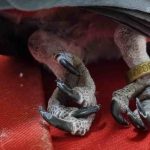
- Musculoskeletal problems – bone deformities or spontaneous fractures from weakened bones, especially in young birds.
- Reproductive issues – thin‑shelled eggs, cessation of egg laying, egg binding or cloacal prolapse.
- Behavioural changes – depression, reluctance to move or unexplained aggression can signal discomfort.
If you see any of these signs, contact an avian veterinarian immediately. Blood tests can measure ionised calcium and vitamin D levels. Radiographs may show decreased bone density or fractures. Prompt treatment with injectable calcium and vitamin D is critical.
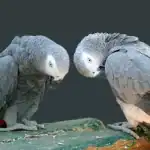
Insert image here
A picture of a healthy African grey next to one showing signs of hypocalcemia would illustrate this section.
The dangers of seed‑based diets
Many well‑meaning owners feed seed mixes because birds enjoy them. However, seeds are high in fat, deficient in essential amino acids and extremely low in calcium. Sunflower and safflower seeds, favourites of many parrots, contain almost no calcium and an abundance of phosphorus.
A seed‑only diet leads to an imbalanced calcium:phosphorus ratio, causing the body to draw calcium out of bone to neutralise phosphorus. In addition, diets high in fat can form insoluble calcium soaps in the gut, further reducing absorption.
Seeds also lack vitamin D, vitamin A and many other nutrients. Birds eating only seeds often show dull plumage, respiratory issues, poor immunity and increased susceptibility to infections. For African greys, seed diets are a direct route to hypocalcemia and metabolic bone disease. Converting your bird to a balanced diet is therefore the single most important step to prevent a calcium crisis.
The essential African grey diet plan
A proper diet for an African grey aims to provide a balanced intake of calcium, phosphorus, vitamin D and other nutrients. The plan below follows veterinary guidelines and incorporates research on calcium metabolism.
1. Base diet: High‑quality formulated pellets (60–70 %)
Pelleted foods are nutritionally complete and provide consistent levels of vitamins, minerals and amino acids. Unlike seeds, pellets are balanced for calcium and phosphorus and eliminate selective feeding. Reputable brands include Harrison’s Bird Foods, Lafeber’s Premium Pellets and ZuPreem. Pellets should make up about 60–70 % of your grey’s daily intake.
When transitioning from seeds to pellets, introduce the pellets gradually. Mix a small amount of pellets into the seed mix and slowly increase the proportion over several weeks. Monitor your bird’s weight and droppings to ensure it is eating the new food. Never force a complete switch overnight, as birds can starve if they refuse unfamiliar food.
2. Fresh vegetables and greens (20–25 %)
Fresh produce provides additional vitamins, minerals and variety. Dark, leafy greens—such as kale, collard greens, mustard greens, dandelion greens, bok choy, cabbage, parsley and broccoli—are excellent sources of calcium. Offer these daily, chopped into bite‑sized pieces or mixed into a vegetable “chop.” You can also provide cooked broccoli stems and leaves for extra calcium.
Other calcium‑rich vegetables include turnip greens, watercress, kohlrabi, and cooked collards. Hard‑boiled or scrambled eggs (with the shell ground and mixed in) are another great source. Eggs supply not only calcium but also high‑quality protein and vitamin D.
Avoid giving large amounts of spinach, beet greens and Swiss chard. These vegetables contain oxalic acid, which binds calcium in the gut and blocks absorption. Offer them sparingly or not at all. Likewise, limit high‑phosphorus foods like corn and peas, and avoid feeding rhubarb, avocado, chocolate, caffeine and alcohol.
Include a small portion of orange vegetables and fruits—such as carrots, sweet potatoes, pumpkin, mango and papaya—to provide vitamin A and antioxidants. Fruits are higher in sugar, so keep them to 5–10 % of the diet. Wash all produce thoroughly to remove pesticides.
3. Legumes and cooked grains (10 %)
Legumes such as chickpeas, black beans, kidney beans, soybeans and lentils are high in protein and contain moderate calcium. However, always cook beans thoroughly; raw beans can be toxic and cause gastrointestinal upset. Cooked whole grains—like quinoa, brown rice, barley and oats—provide fibre and B vitamins. Offer a tablespoon of cooked legumes or grains a few times a week.
4. Nuts, seeds and healthy fats (5–10 %)
Nuts and seeds are energy‑dense and should be used sparingly as treats or for training. Almonds, sesame seeds, pumpkin seeds and flaxseeds contain calcium, but they are high in fat. Limit nuts to a few pieces per day and avoid overfeeding sunflower and safflower seeds. Palm nuts (oil palm fruit) are a natural food for greys and can be offered occasionally.
5. Provide safe sources of calcium
In addition to dietary sources, provide a cuttlebone or mineral block in the cage. These allow your bird to chew and ingest calcium as needed. Mineral blocks also provide trace minerals like iodine and magnesium. Do not feed grit; parrots remove hulls from seeds and do not need grit for digestion. Ingesting grit can lead to impaction or mineral imbalances.
For birds that are not eating enough calcium‑rich foods, an avian veterinarian may recommend a calcium supplement such as calcium gluconate or calcium carbonate. Supplements should be used cautiously, as excess calcium can cause mineral deposits in the kidneys and other tissues. Always consult your veterinarian before adding supplements.
6. Ensure adequate vitamin D and UV‑B exposure
Vitamin D enables the intestines to absorb calcium. Without it, even a calcium‑rich diet will not prevent hypocalcemia. Birds synthesise vitamin D when their skin and eyes are exposed to ultraviolet B (UV‑B) light. Most household lighting does not emit UV‑B, and window glass blocks it, so indoor greys often become vitamin D deficient.
Whenever possible, place your bird outside in a safe, predator‑proof cage for 15–30 minutes of natural sunlight several times per week. Birds must have access to shade and water while outside. If natural sunlight is not feasible, install a full‑spectrum UV‑B lamp designed for birds. Position the lamp 30–45 cm above the perch and run it for 8–12 hours per day. Replace UV‑B bulbs every 6–12 months, as their UV output diminishes with time. Never use tanning lamps or reptile bulbs, which may emit harmful UV intensities.
7. Balance the calcium:phosphorus ratio
The overall diet should supply a calcium:phosphorus ratio of 1:1 to 2:1. Too much phosphorus binds calcium and forces the body to pull calcium from bones to maintain normal blood levels. A balanced ratio is achieved by limiting high‑phosphorus seeds and grains and increasing calcium‑rich vegetables and pellets. Feeding a commercial diet with 0.1 % calcium has been shown to meet maintenance needs for most parrots.
8. Encourage exercise and mental stimulation
Bone strength depends on weight‑bearing activity. Provide a large cage with multiple perches and climbing toys to encourage movement. Place food bowls in different locations so your bird must climb to reach them. Offer foraging toys that require your grey to work for food; this not only stimulates the mind but also reduces boredom and obesity. Outdoor flight cages allow birds to flap and maintain bone density. Exercise also helps regulate weight, reducing fat that can interfere with calcium absorption.
9. Monitor breeding and hormone cycles
Chronic egg laying drains calcium stores and is a significant risk factor for hypocalcemia. To reduce reproductive triggers, limit daylight hours to 10–12 hours by covering the cage at night, remove nest boxes and discourage regurgitation behaviour. If your grey continues to lay eggs, consult an avian veterinarian about hormone therapy or deslorelin implants.
10. Regular veterinary check‑ups
Schedule annual or semi‑annual exams with an avian veterinarian. Routine blood tests can detect low ionised calcium and vitamin D levels before clinical signs appear. Discuss your bird’s diet, environment and behaviour with the vet, and ask whether calcium or vitamin D supplements are necessary. Birds with chronic health issues may require more frequent monitoring.
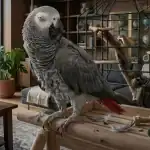
Insert image here
A photo of an African grey enjoying fresh vegetables or climbing in an outdoor aviary would enhance the diet section.
Transitioning your grey to a healthier diet
Converting a seed junkie to a balanced diet can be challenging but rewarding. Birds are creatures of habit and may initially reject new foods. Here are some tips:
- Go slowly – mix a small percentage of pellets with seeds and gradually increase over 3‑6 weeks. Offer new vegetables alongside familiar foods.
- Make food fun – chop vegetables finely or use a food processor to create a “chop mix.” Warm foods slightly to release aromas. Hang leafy greens or corn on the cob from the side of the cage to encourage nibbling.
- Eat together – parrots often try foods they see you eating. Sit near your bird during meals and pretend to enjoy the new items.
- Be persistent – never starve a bird into eating new food. Some parrots take months to fully switch diets. Continue offering a variety of nutritious options and praise your bird for trying them.
Patience and consistency are key. Once your grey accepts the new diet, you will likely see improved feathers, better energy and stronger bones.
Other nutrients that support calcium balance
Calcium does not work alone. Magnesium, vitamin K, and vitamin A all influence how effectively the body utilises calcium. Magnesium helps transport calcium across cell membranes and is necessary for the activation of vitamin D. Good sources include leafy greens, nuts, seeds and whole grains.
Vitamin K supports blood clotting and works with vitamin D to bind calcium to bone; dark green vegetables like kale, spinach and broccoli are rich in this nutrient. Vitamin A is critical for epithelial health and immune function; orange vegetables and fruits provide beta‑carotene, a precursor of vitamin A. Feeding a wide variety of vegetables ensures your grey receives these co‑factors and maximises calcium absorption.
While birds obtain most of their vitamin D from UV‑B exposure, some foods contain small amounts of vitamin D. Fortified pellets often include vitamin D3; eggs and certain fish (if occasionally offered) also supply it. Do not offer dairy products—birds are lactose intolerant and cannot digest milk, cheese or yogurt. The trace calcium in dairy is outweighed by the risk of digestive upset.
Phytic acid and oxalic acid are natural compounds found in some plant foods that bind calcium in the gut. In addition to spinach, beet greens and chard, raw sweet potatoes, rhubarb and certain beans contain these compounds. Cooking and soaking beans and grains reduces phytic acid and improves mineral availability. By diversifying your bird’s vegetable intake and preparing foods properly, you minimise these anti‑nutrients and ensure more calcium is absorbed.
Life‑stage considerations
African greys have different nutritional requirements at various stages of life. Chicks and juveniles need higher levels of calcium, protein and energy for rapid growth and bone development. Hand‑rearing formulas are formulated with appropriate calcium:phosphorus ratios. As young greys begin to wean, offer soft cooked vegetables, mashed legumes and small pellets moistened with warm water. Frequent, small feedings mimic natural foraging.
Breeding pairs require extra calcium and vitamin D to support egg production and the heavy demands of raising chicks. Female greys can deplete their calcium reserves quickly during the breeding season, so increase the amount of dark leafy greens, fortified pellets and cuttlebone. Monitor breeding birds closely for signs of egg binding and consult your veterinarian if you are planning to breed.
Senior greys (over 20 years) may experience reduced digestive efficiency and decreased activity. They still need calcium, but they may require fewer calories to avoid obesity. Offer a variety of soft foods and chop vegetables finely to accommodate beak or dental issues. Older birds also benefit from regular bone density assessments and might need additional vitamin D or calcium under veterinary supervision. Maintaining mobility through perches of different diameters and low‑impact exercise helps preserve bone mass.
Sick or convalescing birds may need specialised diets. Birds recovering from fractures or metabolic bone disease often require higher calcium and vitamin D under professional guidance. Birds with kidney disease must avoid excessive calcium, as their kidneys cannot filter mineral deposits effectively. Always work with an avian veterinarian to tailor the diet during illness.
When to seek emergency care
Despite your best efforts, emergencies can happen. Seek immediate veterinary attention if your grey experiences any of the following:
- Seizures or loss of consciousness.
- Inability to stand, grip a perch or maintain balance.
- Sudden collapse from a perch or cage bars.
- Egg binding or straining without producing an egg.
Prompt treatment with injectable calcium and supportive care can be life‑saving. In some cases, birds will need intravenous fluids, heat support and anti‑seizure medications. Long‑term management involves dietary correction, UV‑B exposure and regular monitoring.
My Final Thoughts
A calcium crisis is preventable. African grey parrots are intelligent, sensitive birds that deserve a diet as complex and varied as their personalities. Seed‑based diets and a lack of sunlight predispose them to hypocalcemia, but a comprehensive nutrition plan can help your grey thrive.
Feed a base of high‑quality pellets, supplement with dark leafy greens, legumes, nuts and eggshells, and provide safe sources of calcium like cuttlebones. Ensure that your bird has regular access to natural sunlight or a UV‑B lamp.
Encourage exercise and mental stimulation, manage breeding triggers and schedule routine veterinary check‑ups. By following this essential diet plan, you’ll not only prevent hypocalcemia but also promote longevity, vitality and happiness for your cherished African grey.
If you liked this blog, please share it with your family and friends who might also find it helpful. If you love African Greys, join our community of Grey owners! You can meet other owners, share tips and learn from each other.
Stay safe and much love!


Hey there! 🐾 Looking for top-notch pet supplies or anything on Amazon?
Support our site by shopping on Amazon through our this referral link, it will not cost you extra!
Your purchases on Amazon can help us continue providing valuable content.
Thank you for your support! 🛍️