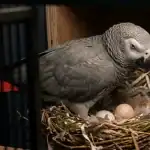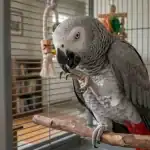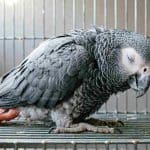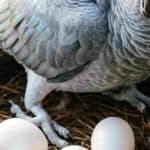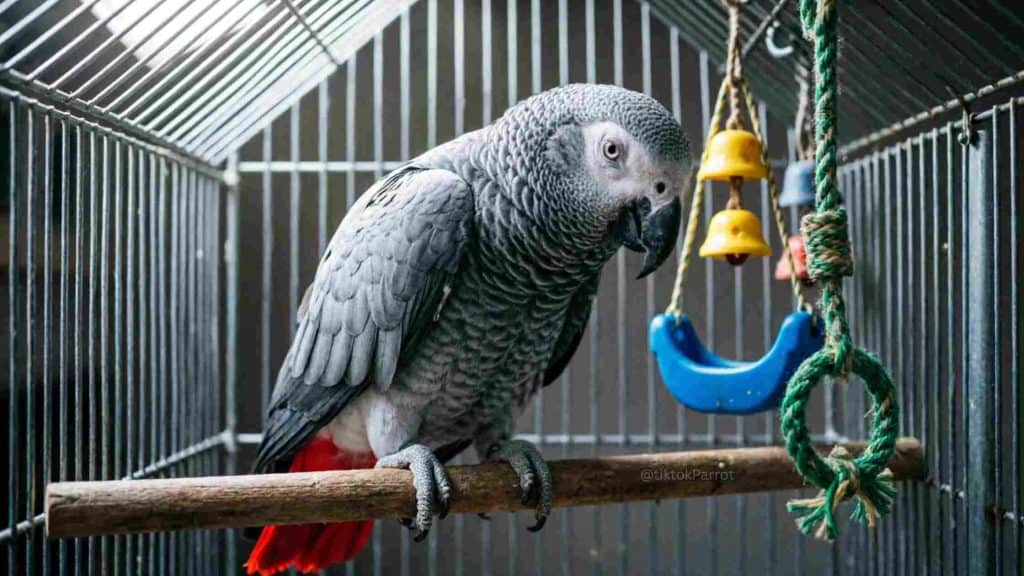
If you own a female African Grey who’s started laying eggs, whether with a mate or entirely on her own, it’s natural to wonder how long this will continue. Unlike humans, birds don’t go through anything resembling menopause, which means there’s no clean, universal age at which egg-laying simply stops. That said, there are some genuinely useful patterns worth understanding, along with important health considerations every owner of an egg-laying hen should know.
This guide covers what’s actually known about African Grey egg-laying across a lifetime, from first eggs to the later years, and why “how old until it stops” isn’t quite the right question to focus on.
Table of Contents
Birds Don’t Experience Menopause
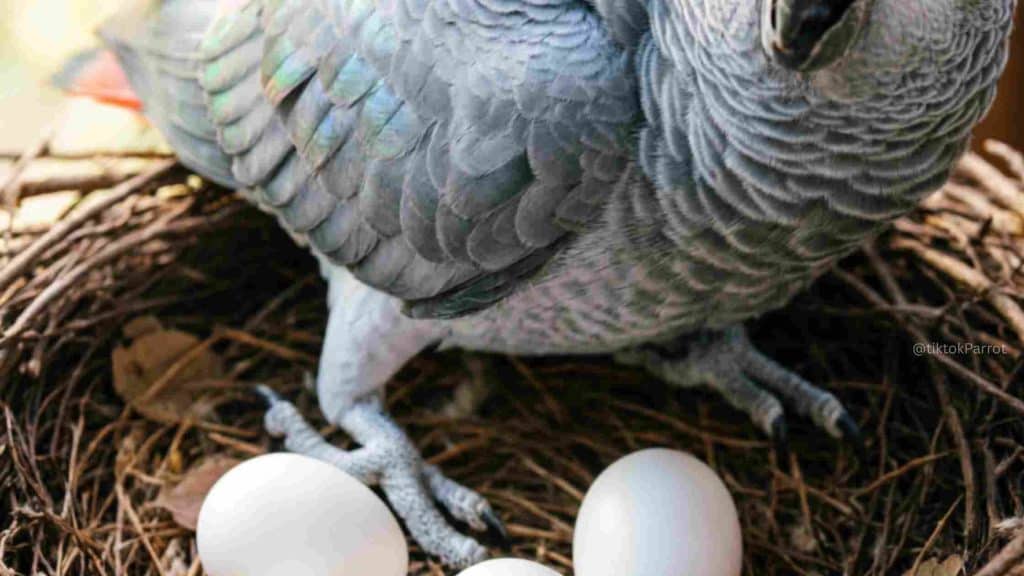
This is the single most important fact to understand: female birds, including African Greys, do not go through a menopause-like transition the way humans do. A healthy hen can potentially lay eggs throughout most of her lifetime, and given that African Greys commonly live 40 to 60 years or more, that’s a long window.
Some hens lay consistently for years, others lay sporadically, stop entirely for a decade, and then unexpectedly start again later in life. There simply isn’t a fixed biological switch that reliably turns egg production off at a specific age.
When Do African Greys Start Laying Eggs?
Before looking at the later end of the timeline, it helps to understand the beginning. African Greys generally reach sexual maturity somewhere between 3 and 5 years of age, though egg-laying can occasionally start earlier or later depending on the individual bird, its environment, and hormonal factors. Some hens begin laying in their early adult years, while others may not start until well into middle age.
Is There a Typical Age When Laying Slows Down?
While there’s no universal stop age, some patterns do show up anecdotally and in breeding contexts:
- Some breeding guidance suggests that egg production in pet parrots commonly begins tapering off somewhere in the range of 10 to 12 years of age, though this is far from a hard rule and varies enormously between individual birds.
- Other hens continue laying well beyond this point, sometimes into their teens, twenties, or even later, particularly if they remain in good health and continue experiencing the environmental or hormonal triggers associated with laying.
- There are documented cases of hens laying eggs, then stopping entirely for many years, only to resume laying again later in life, which underscores just how unpredictable this can be on an individual basis.
- Reproductive viability can decline with age, and some avian vets note that very senior hens may show hormonal imbalances or reduced reproductive function, though this isn’t the same as a guaranteed, predictable stopping point.
The honest takeaway is that owners shouldn’t expect egg-laying to reliably stop by any particular birthday. Some birds simply keep the capacity for years longer than others.
Why Focusing on “Age” Isn’t the Most Useful Question
Because there’s no fixed stop age, the more productive question for most owners isn’t “when will this end,” but rather “how do I manage egg-laying safely for as long as it continues.”
Egg production is genuinely taxing on a hen’s body, drawing heavily on calcium and energy reserves, and frequent or chronic laying, regardless of the bird’s age, carries real health risks, including calcium deficiency and egg binding, a potentially life-threatening condition where an egg becomes stuck in the reproductive tract.
Managing Egg-Laying at Any Age
Whether your Grey is young, middle-aged, or a senior still laying occasionally, the same general management principles apply:
- Leave eggs in place initially. Removing eggs too quickly can prompt a hen to lay a replacement, potentially prolonging the cycle. Many experts recommend leaving eggs in the cage until the hen loses interest or for a set period, then removing them together, allowing her reproductive system a chance to reset.
- Support calcium levels. Since egg production depletes calcium rapidly, a calcium-rich diet, and supplementation if recommended by your avian vet, helps protect against deficiency-related complications.
- Reduce environmental triggers. Long daylight exposure, nesting-like hideaways, and certain types of physical affection can all encourage hormonal cycling and egg production; adjusting these factors can help reduce frequency.
- Watch for signs of egg binding. Straining, lethargy, and labored breathing around the time of laying are signs of a potential emergency requiring immediate veterinary attention, regardless of the hen’s age.
- Consult an avian vet for chronic or frequent laying. If a hen is laying repeatedly over a short period, professional guidance can help address underlying hormonal or environmental causes rather than just waiting to see if age eventually slows things down.
Does Breeding Age Matter for Egg Viability?
If you’re specifically interested in breeding rather than simply managing a solo hen’s egg-laying, age becomes relevant in a slightly different way. Breeders often recommend waiting until a Grey is at least 5 to 7 years old before attempting breeding, since younger birds may be less reliable breeders or parents.
On the older end, viability and reproductive success can become less predictable in very senior hens, and breeding decisions involving older birds are generally best discussed directly with an avian vet familiar with the individual bird’s health history.
Common Mistakes Owners Make
- Assuming egg-laying will stop by a specific age. There’s no reliable, universal age at which this happens, and expecting one can lead to overlooking ongoing calcium and health needs.
- Removing eggs too quickly. This can encourage a hen to lay again sooner than she otherwise would.
- Ignoring frequent laying because “she’s still young” or “she’s getting older.” Chronic egg-laying carries health risks at any age and deserves veterinary attention regardless of the bird’s stage of life.
- Assuming a hen who stopped laying for years won’t start again. Some birds resume laying unexpectedly after long gaps, so ongoing awareness matters even after a quiet stretch.
- Overlooking calcium supplementation. This remains important throughout a hen’s laying life, not just during her younger years.
Frequently Asked Questions
Do African Grey parrots go through menopause?
No, birds don’t experience a menopause-like transition the way humans do, which means there’s no fixed age at which egg-laying is guaranteed to stop.
At what age do African Greys typically start laying eggs?
Most reach sexual maturity between 3 and 5 years of age, though the exact timing varies based on the individual bird and environmental factors.
Is there a common age when African Greys stop laying eggs?
Some anecdotal guidance points to a general slowdown around 10 to 12 years of age, but many hens continue laying well beyond this, and there’s no universal stopping point.
Can an older African Grey suddenly start laying eggs again after years of not laying?
Yes, this has been documented in individual cases, sometimes with gaps of a decade or more between laying periods.
Is it dangerous for an older African Grey to keep laying eggs?
Egg-laying carries health risks like calcium depletion and egg binding at any age, so ongoing monitoring and veterinary guidance remain important regardless of how old the hen is.
What age should I wait for before breeding my African Grey?
Many breeders recommend waiting until a Grey is at least 5 to 7 years old, since younger birds may not be reliable breeders or parents.
Should I be concerned if my senior African Grey is still laying eggs?
Not necessarily, but any hen laying eggs, regardless of age, should be monitored for signs of egg binding or other complications, and a vet should be consulted for frequent or difficult laying.
Conclusion
There’s no clean answer to “how old until my African Grey stops laying eggs,” because birds simply don’t follow the kind of reproductive timeline humans do. Some hens slow down around a decade or so of age, while others continue on and off for most of their long lives.
Rather than waiting for laying to stop on its own, the more useful approach is managing it responsibly at every stage, supporting calcium needs, watching for complications, and staying in touch with an avian vet whenever laying becomes frequent or concerning.
If this blog post has helped you, please share it with your family and friends who might also find it helpful. If you love African Greys, join our community of Grey owners! You can meet other owners, share tips and learn from each other.
Stay safe and much love!


Hey there! 🐾 Looking for top-notch pet supplies or anything on Amazon?
Support our site by shopping on Amazon through our this referral link, it will not cost you extra!
Your purchases on Amazon can help us continue providing valuable content.
Thank you for your support! 🛍️