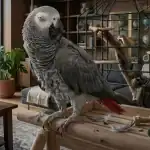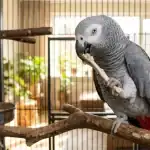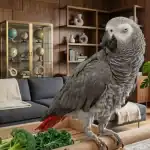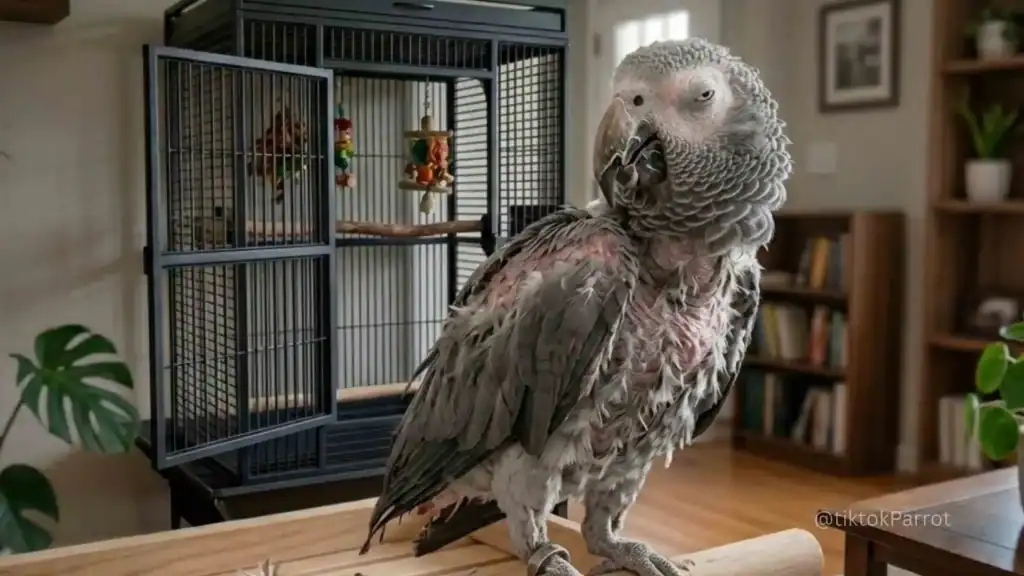
Psittacine Beak and Feather Disease, almost universally shortened to PBFD, is one of the most serious viral diseases affecting parrots worldwide, and African Greys are among the species most commonly affected. Unlike many avian illnesses that respond well to treatment, PBFD currently has no cure, which makes prevention, early recognition, and testing especially important for anyone who owns or is considering bringing home an African Grey.
This guide explains what PBFD actually is, how it typically presents in African Greys specifically (which can look quite different from the classic cockatoo presentation most people picture), how it’s diagnosed, and what owners can realistically do to protect their birds.
Table of Contents
What Is PBFD?
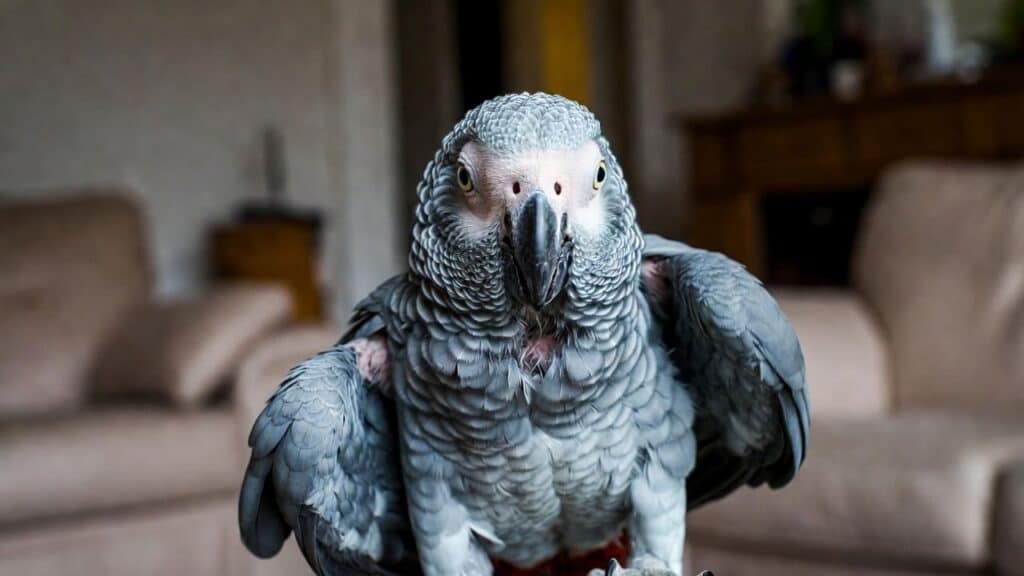
PBFD is caused by a circovirus, officially known as beak and feather disease virus (BFDV), one of the smallest disease-causing viruses known. Despite its tiny size, it’s remarkably destructive: the virus attacks fast-growing skin cells, particularly those in the feather follicles, beak, and claw matrices, while also suppressing the immune system. This dual impact, on the physical structures of the bird and on its ability to fight off other infections, is what makes PBFD so dangerous.
The virus was first formally identified in Australian cockatoos in the 1970s and has since been documented in more than 50 bird species worldwide. It’s found most frequently in Old World species, including cockatoos, African Greys, lovebirds, lories, lorikeets, and Eclectus parrots, and is considerably less common in New World species like macaws and Amazon parrots.
Why African Greys Present Differently
This is one of the most important things for African Grey owners to understand: PBFD in this species often doesn’t look like the dramatic feather and beak destruction commonly associated with cockatoos. Instead, African Greys frequently show vague, nonspecific symptoms, and in some documented cases, the disease may be confined largely to the tail feathers, or may not produce obvious physical signs at all despite the bird being infected.
This atypical presentation is part of why PBFD can be so easily missed or misdiagnosed in Greys until secondary complications, driven by the immune suppression the virus causes, become apparent.
Forms of PBFD
PBFD can present in several different forms, and understanding the distinction matters for both prognosis and diagnosis.
Peracute Form
This form occurs in very young, recently hatched birds and progresses extremely fast. Symptoms include diarrhea, lethargy, rapid weight loss, and sudden death, sometimes so quickly that the classic feather changes never even have time to appear.
This form has been noted as particularly common in young African Greys and cockatoos. Because there are often no visible feather abnormalities, a correct diagnosis can be missed entirely unless a full postmortem examination is performed.
Acute Form
This typically occurs in young birds during their first major feather development after losing neonatal down. Signs include several days of depression followed by sudden abnormalities in developing feathers, such as fracturing, bending, bleeding, or premature shedding.
Chronic Form
Birds that survive the acute phase can progress into a chronic form, marked by progressive feather abnormalities over time and ongoing immune suppression, which leaves the bird vulnerable to repeated secondary infections.
Symptoms to Watch For in African Greys
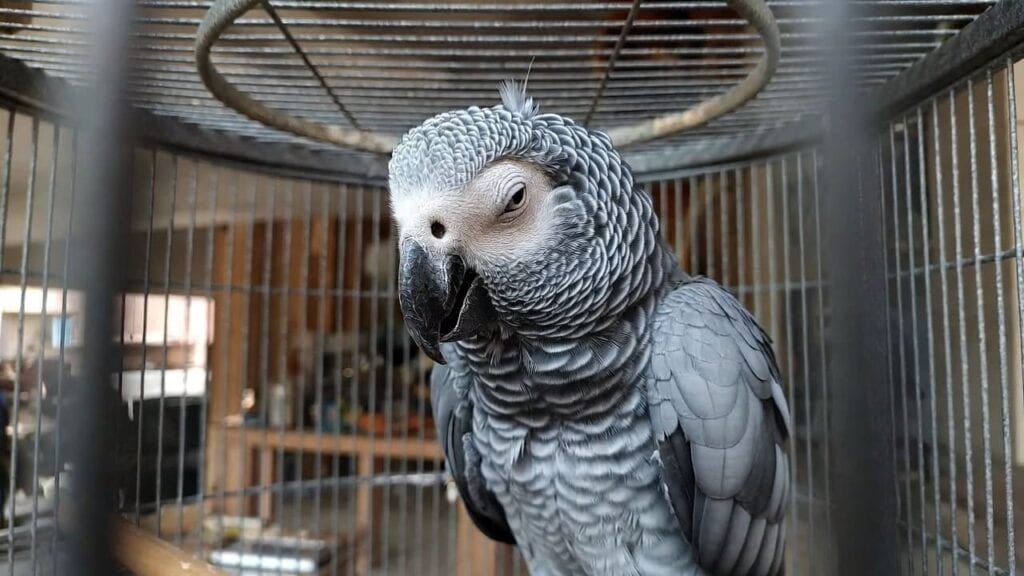
Because presentation varies so much by individual bird, owners should watch for any combination of the following, not just obvious feather changes:
Possible feather-related signs:
- Feather loss not explained by normal molting or plucking
- Abnormally short, clubbed, or pinched feathers
- Loss of color or pigment in feathers, sometimes described as pink discoloration in African Greys specifically
- Loss of powder down, resulting in an unusually shiny beak
- Bloody feather shafts
- Changes confined to just the tail feathers in some cases
Nonspecific and systemic signs, which are especially important in this species:
- Lethargy and depression
- Poor or reduced appetite
- Diarrhea
- Anemia
- A generally “grubby” or unwell appearance
- Increased vulnerability to secondary infections, since PBFD suppresses the immune system
Because the virus significantly weakens immune defenses, infected African Greys are also more prone to secondary opportunistic infections, including fungal infections like aspergillosis, which can sometimes be the first thing that prompts a vet visit rather than PBFD itself.
How PBFD Spreads
PBFD is highly contagious and spreads primarily through:
- Direct contact with infected birds
- Feather dust and dander
- Droppings and contaminated surfaces
- Contaminated food and water sources
- Parent-to-chick transmission through crop secretions during feeding
One of the most challenging aspects of controlling PBFD is environmental persistence: the virus is extremely resistant to degradation and can survive in feather dust, nesting material, and the environment for many months or even longer, making thorough cleaning and quarantine protocols essential when infection is suspected.
Diagnosis
PBFD is typically confirmed through PCR testing, usually requiring only a small blood sample, with results generally available within one to two weeks. In some cases, an additional test measuring immune response (sometimes referred to as an HI/HA test) may be recommended to help assess whether a bird is likely to fight off the infection successfully.
Because clinical symptoms alone, especially the vague presentation often seen in African Greys, aren’t reliable enough for a definitive diagnosis, PCR testing is considered the standard for confirmation rather than relying on visual signs.
Is There a Treatment for PBFD?

Currently, there is no cure for PBFD, and this is one of the most important facts for owners to understand clearly. Treatment focuses entirely on supportive care and managing secondary complications rather than eliminating the virus itself:
- Supportive care to maintain nutrition, hydration, and comfort
- Prompt treatment of secondary bacterial or fungal infections as they arise
- Environmental management to reduce further viral exposure and stress
- Close, ongoing veterinary monitoring
Some birds, particularly those infected as young chicks, are capable of mounting an effective immune response and clearing the virus on their own through a process called seroconversion, after which they can survive and recover. Unfortunately, many other infected birds do not clear the virus and face a progressively declining course, often succumbing to secondary infections due to prolonged immune suppression.
Prevention Is Critical
Given the lack of a cure, prevention is by far the most important tool available to African Grey owners:
- Test before buying. Ask breeders or sellers whether birds have been PCR tested for PBFD, and consider having any new bird tested before bringing it home.
- Quarantine new birds for an extended period before introducing them to existing pet birds.
- Avoid mixing unknown-status birds at bird shows, boarding facilities, or group settings without confirmed testing.
- Practice thorough environmental hygiene, understanding that standard cleaning may not fully eliminate the virus given its environmental resistance.
- Discard porous items, such as wooden perches and toys, if PBFD exposure is suspected, since these can harbor the virus.
- Work with an avian vet on a testing and prevention plan, especially in multi-bird households.
Common Mistakes Owners Make
- Assuming no feather changes means no PBFD. African Greys frequently show vague, nonspecific symptoms rather than the classic feather and beak damage seen in other species.
- Skipping pre-purchase testing. This remains one of the most effective ways to avoid bringing an infected bird into an existing flock.
- Underestimating environmental persistence. The virus can survive far longer in the environment than many owners expect.
- Delaying veterinary evaluation when a young Grey shows vague lethargy or diarrhea, since these can be early signs rather than something minor.
- Assuming a positive diagnosis is an immediate death sentence. Some birds, especially those infected young, can successfully clear the virus through their own immune response.
Frequently Asked Questions
Is PBFD common in African Grey parrots?
Yes, African Greys are among the species most commonly affected by PBFD, alongside cockatoos, lovebirds, and Eclectus parrots.
What does PBFD look like in African Grey parrots specifically?
Unlike the dramatic beak and feather destruction seen in cockatoos, African Greys often show vague symptoms like lethargy, poor appetite, and anemia, and feather changes may be limited to the tail or not clearly visible at all.
Is there a cure for PBFD?
No, there’s currently no cure. Treatment focuses on supportive care and managing secondary infections, though some birds are able to clear the virus naturally through their own immune response.
How is PBFD diagnosed in parrots?
Diagnosis is typically confirmed through PCR testing on a blood sample, since clinical symptoms alone aren’t considered reliable enough for a definitive diagnosis.
Can PBFD spread to humans?
No, PBFD is not known to pose a threat to humans; it’s a disease specific to birds.
How long can the PBFD virus survive in the environment?
The virus is highly resistant to degradation and can persist in feather dust, droppings, and nesting material for many months or longer, making thorough cleaning and quarantine important.
Should I test a new African Grey for PBFD before bringing it home?
Yes, pre-purchase PCR testing is one of the most effective ways to avoid introducing an infected bird into your household, especially if you have other birds.
Conclusion
PBFD is a serious diagnosis, but understanding how it specifically presents in African Greys, often subtly rather than dramatically, gives owners a real chance at catching it early. Because there’s no cure once a bird is infected, prevention through pre-purchase testing, quarantine, and rigorous hygiene remains the single most powerful tool available.
If your African Grey shows unexplained lethargy, poor appetite, or any unusual feather changes, don’t wait: a PCR test provides the clarity needed to protect both your bird and any others in your home.
If this blog post has helped you, we’d truly appreciate it if you shared it with your family and friends who might find it helpful too. And if you love African Greys, we’d love to have you join our community of Grey owners! Connect with fellow enthusiasts, share your experiences and tips, ask questions, and learn from one another as we celebrate these amazing birds together.
Stay safe and much love!


Hey there! 🐾 Looking for top-notch pet supplies or anything on Amazon?
Support our site by shopping on Amazon through our this referral link, it will not cost you extra!
Your purchases on Amazon can help us continue providing valuable content.
Thank you for your support! 🛍️