Few topics worry African Grey owners more than avian bornavirus. It’s a subject that comes up often in bird forums and vet consultations, usually accompanied by understandable anxiety, since the virus is linked to a serious and potentially life-threatening condition.
Understanding what avian bornavirus actually is, how it behaves in African Greys specifically, and what owners can realistically do about it, makes a huge difference in navigating a diagnosis calmly and effectively.
This guide covers the science in plain language: what the virus does, how it’s connected to proventricular dilatation disease, the warning signs to watch for, and how vets approach testing and management today.
Table of Contents
What Is Avian Bornavirus?
Avian bornavirus (ABV) is a virus that targets the nervous system in parrots. It’s the identified cause behind a condition long known as proventricular dilatation disease, or PDD, a progressive illness that damages the nerves controlling the digestive tract and, in some cases, the brain and spinal cord as well.
PDD was first documented in imported macaws back in the 1970s and was originally nicknamed “macaw wasting disease” because of the severe weight loss it caused. Since then, researchers have confirmed the condition affects dozens of parrot species, with African Greys, macaws, Amazons, cockatoos, and conures showing up most frequently in reported cases.
How the Virus Affects the Body
Once a bird is infected, the virus can settle into nerve tissue throughout the digestive tract, and sometimes in the brain and spinal cord. Over time, this triggers inflammation in the nerve clusters that control muscle contractions in the crop, proventriculus (the true stomach), and gizzard. When those nerves stop functioning properly, food moves through the digestive system far too slowly, or not at all, leading to the dilated, poorly emptying stomach that gives PDD its name.
Importantly, not every bird carrying the virus develops clinical disease. Some African Greys can test positive for avian bornavirus while remaining outwardly healthy for extended periods, sometimes years, before any symptoms appear, if they appear at all. This is part of what makes the disease so difficult to predict and manage.
Symptoms to Watch For in African Greys
Because the virus can affect either the digestive system, the nervous system, or both, symptoms vary from bird to bird. Owners should watch for:
Digestive signs:
- Regurgitation, particularly after eating or drinking
- Passing whole, undigested seeds in the droppings
- Gradual weight loss despite normal or increased appetite
- A visibly enlarged or distended abdomen
- Chronic poor body condition
Neurological signs:
- Tremors or loss of coordination
- Abnormal gait or difficulty perching
- Head tilting or unusual postures
- Seizures in advanced cases
General signs:
- Lethargy and reduced activity
- Fluffed, puffed-up appearance
- Behavioral changes, including withdrawal or reduced vocalization
Symptoms can develop slowly over months or progress quickly, and some birds show a mix of both digestive and neurological signs. Because these symptoms overlap with many other avian illnesses, a proper veterinary workup is essential rather than assuming bornavirus based on symptoms alone.
How Vets Diagnose Avian Bornavirus and PDD
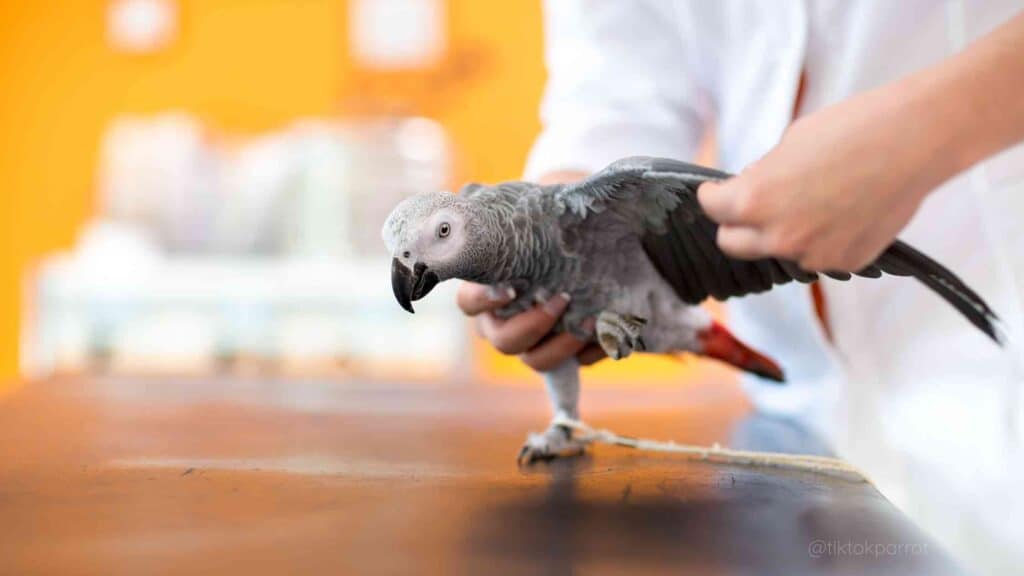
Diagnosis typically involves a combination of approaches, since no single test tells the whole story.
- History and physical exam. Your vet will ask about weight trends, appetite changes, droppings, and any behavioral shifts.
- Bloodwork. General health panels help rule out other causes and assess overall organ function.
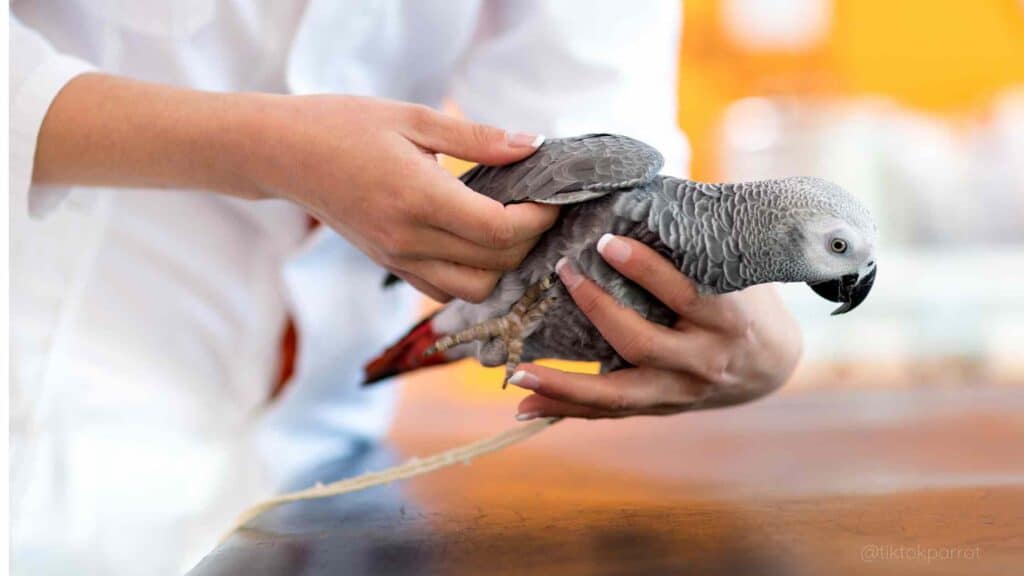
- Imaging. X-rays can reveal an enlarged proventriculus, and contrast studies or fluoroscopy help assess how well food is moving through the digestive tract.
- PCR testing. This looks for viral genetic material, typically from cloacal or fecal swabs, sometimes paired with choanal samples.
- Serology. Blood tests can detect antibodies indicating past or current exposure to the virus.
One of the trickiest aspects of diagnosis is that the virus isn’t shed constantly. A bird can test negative on one occasion and positive weeks later, so a single negative PCR result doesn’t fully rule out infection. Vets often recommend repeat testing over time if bornavirus is still suspected despite an initial negative result.
Is There a Cure for Avian Bornavirus?
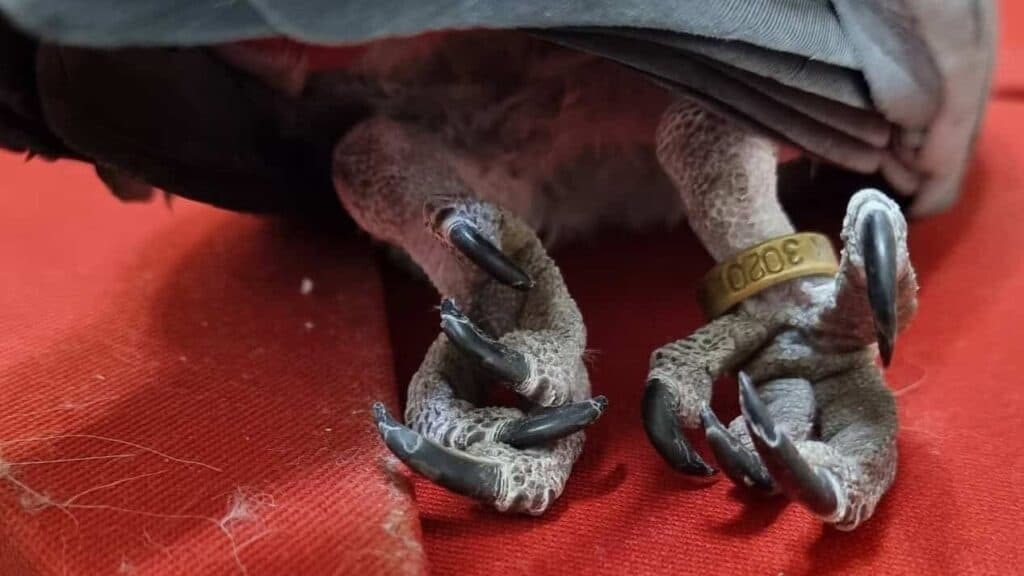
Currently, there’s no guaranteed cure once a bird develops clinical PDD, and the disease is considered progressive. That said, a diagnosis isn’t automatically a death sentence, and many birds are managed successfully for extended periods with the right supportive care, which may include:
- Anti-inflammatory medication prescribed by an avian vet to help manage nerve inflammation
- Nutritional support, sometimes including easily digestible or liquid diets for birds with severe motility issues
- Regular weight monitoring to catch declines early
- Close, ongoing veterinary supervision to adjust treatment as needed
Some infected birds who never develop obvious clinical signs may go on to live relatively normal lives, which is why testing positive for the virus itself isn’t the same as being diagnosed with active PDD.
Is Avian Bornavirus Contagious to Other Birds?
Yes, and this is a major consideration for multi-bird households. The virus can be shed intermittently in droppings and other secretions, meaning an outwardly healthy carrier bird can still pose a risk to cage mates. If you own multiple African Greys or other parrots, discuss testing and quarantine protocols with your avian vet, especially before introducing a new bird into an existing flock.
Common Mistakes Owners Make
- Assuming a single negative test rules out infection. Given how the virus sheds intermittently, repeat testing is often necessary for a confident diagnosis.
- Panicking immediately after a positive test. A positive result doesn’t automatically mean a bird will develop clinical PDD or has a short life expectancy.
- Ignoring early digestive symptoms. Passing undigested seeds or regurgitating regularly should always prompt a vet visit rather than a wait-and-see approach.
- Skipping quarantine for new birds. Introducing an untested bird directly into a household with existing parrots increases exposure risk.
- Relying on outdated information. Bornavirus research has evolved significantly since PDD was first identified, and testing and management approaches continue to improve.
Frequently Asked Questions
What is avian bornavirus in African Grey parrots?
Avian bornavirus is a virus that affects the nervous system and is the identified cause of proventricular dilatation disease (PDD), a serious digestive and neurological condition seen in African Greys and other parrot species.
What are the first signs of PDD in African Greys?
Early signs often include regurgitation, passing undigested seeds in the droppings, and gradual weight loss, though some birds show neurological symptoms like tremors or coordination problems instead.
Can a bird have avian bornavirus without showing symptoms?
Yes, some African Greys carry the virus without ever developing clinical PDD, sometimes for years, which makes diagnosis and long-term monitoring especially important.
Is avian bornavirus contagious between parrots?
Yes, the virus can be shed intermittently in droppings, meaning infected birds can pose a risk to other birds even when they appear healthy.
How is avian bornavirus diagnosed?
Diagnosis typically combines a physical exam, bloodwork, imaging like X-rays or contrast studies, and PCR or serology testing, since no single test is fully conclusive on its own.
Is proventricular dilatation disease curable?
There’s currently no guaranteed cure once clinical PDD develops, but supportive care and close veterinary management can help many birds maintain a better quality of life for an extended period.
Should I test other birds if one of my parrots tests positive?
Yes, testing cage mates and discussing quarantine protocols with an avian vet is strongly recommended, since the virus can spread between birds sharing living space.
Conclusion
Avian bornavirus is a genuinely serious concern for African Grey owners, but understanding how it works takes much of the fear out of the unknown. Not every infected bird develops PDD, diagnosis has become more sophisticated over time, and supportive care can meaningfully improve outcomes for many affected parrots.
If you notice any combination of digestive or neurological symptoms in your Grey, don’t wait: an early, thorough veterinary workup gives your bird the best possible chance at a well-managed, comfortable life.
If this blog post has helped you, we’d truly appreciate it if you shared it with your family and friends who might find it helpful too. And if you love African Greys, we’d love to have you join our community of Grey owners! Connect with fellow enthusiasts, share your experiences and tips, ask questions, and learn from one another as we celebrate these amazing birds together.
Stay safe and much love!


Hey there! 🐾 Looking for top-notch pet supplies or anything on Amazon?
Support our site by shopping on Amazon through our this referral link, it will not cost you extra!
Your purchases on Amazon can help us continue providing valuable content.
Thank you for your support! 🛍️