Fatty liver disease, medically known as hepatic lipidosis, is one of the most common diet-related conditions seen in pet African Greys, and it’s also one of the most preventable. Because African Greys are natural seed-eaters with a strong preference for fatty foods, they’re particularly vulnerable to this condition when their diet isn’t carefully managed. The frustrating part is that symptoms are often vague and easy to miss until the disease has progressed significantly.
This guide walks through what fatty liver disease actually is, why African Greys are so commonly affected, what warning signs to watch for, and how the condition is diagnosed and treated.
Table of Contents
What Is Fatty Liver Disease?

Fatty liver disease occurs when excess fat accumulates within liver cells faster than the liver can process and clear it. This typically happens when a bird consumes more dietary fat than its body can metabolize and re-secrete efficiently, causing fat to build up inside liver tissue instead. Over time, this buildup can impair normal liver function, and if left unaddressed, it can progress toward more serious complications, including scarring (fibrosis) or cirrhosis of the liver.
The liver plays a central role in metabolism, detoxification, and protein production, so when its function declines, the effects can ripple across a bird’s entire body.
Why African Greys Are Especially Prone to This Condition
African Greys are naturally seed-and-fruit eaters in the wild, but the seed mixes commonly available for pet birds tend to be far higher in fat and far lower in essential nutrients like biotin, choline, and methionine than what’s ideal for long-term liver health. Diets heavy in whole grains, sunflower seeds, nuts, and sugary or fatty treats like chocolate can significantly elevate blood cholesterol and place ongoing strain on the liver’s ability to process fat.
Obesity is another major contributing factor. Birds who are overfed, particularly on high-fat diets, and who don’t get adequate exercise are considered especially prone to developing hepatic lipidosis over time.
Symptoms of Fatty Liver Disease in African Greys
One of the most challenging aspects of this condition is that early symptoms are frequently vague and easy to attribute to something else entirely.
Early or nonspecific signs:
- Fluffed feathers
- Listlessness or reduced activity
- Mild depression or withdrawal
- Decreased appetite
More advanced signs:
- Wet, mushy droppings
- Yellow or green-stained urates (the normally white portion of droppings)
- Increased thirst
- Regurgitation
- Difficulty breathing
- A swollen or puffy abdomen
- Elongation or overgrowth of the upper beak
- Prolonged or unusual bleeding
- Feather picking or changes in feather color, sometimes reported alongside advanced cases
Because these symptoms overlap heavily with other illnesses, from respiratory disease to kidney problems, a proper veterinary workup is essential for an accurate diagnosis rather than assuming liver disease based on symptoms alone.
How Vets Diagnose Fatty Liver Disease
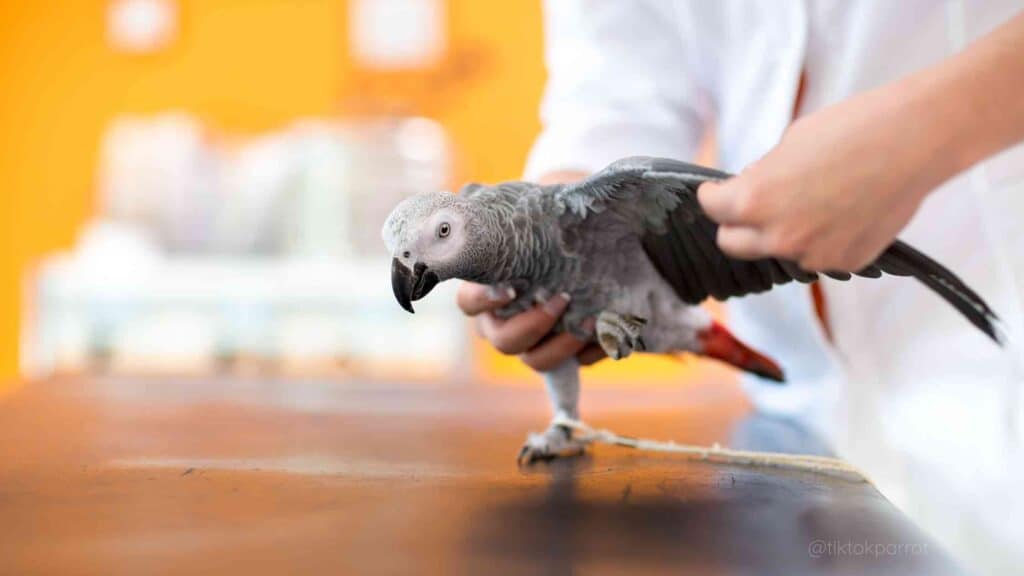
Diagnosis typically involves a combination of the following:
- Clinical history and physical exam, including a detailed review of diet, weight trends, and behavioral changes.
- Bloodwork, evaluating liver enzymes, total protein, triglycerides, and other markers that reflect liver function and fat metabolism.
- Radiographs (X-rays), which can help identify liver enlargement or other abnormalities.
- Ultrasound, which can reveal changes in liver echogenicity consistent with fatty infiltration, since fat-affected liver tissue often appears different in density from healthy liver tissue on imaging.
Because clinical signs are so nonspecific, these diagnostic tools are essential for confirming fatty liver disease rather than another underlying condition.
Treatment Approach
The encouraging news is that avian liver tissue has a meaningful capacity to regenerate, and with appropriate treatment, many birds show real improvement. Treatment typically combines several approaches:
- Dietary correction. Transitioning away from seed-heavy diets toward a balanced, pelleted diet is one of the most important steps in recovery, since continuing the underlying dietary cause will undermine any other treatment.
- Liver-support supplements, such as milk thistle (silymarin), B-complex vitamins, vitamin E, and amino acids like L-carnitine and choline, are commonly used to support liver cell repair and improve fat metabolism.
- Medications, which may include cholesterol-lowering drugs or diuretics in cases involving fluid buildup, prescribed and dosed specifically for the individual bird by an avian vet.
- Vitamin K, if bleeding tendencies are present, since the liver plays a key role in normal blood clotting.
- Fish oil supplementation, which is often recommended to help support healthier cholesterol levels.
- Supportive care, including fluid therapy or assisted feeding in more severe cases where appetite has been significantly affected.
- Ongoing monitoring, with repeat bloodwork and imaging used to track how well the liver is responding to treatment over time.
Prognosis depends heavily on how early the condition is caught and how consistently treatment and dietary changes are followed. Mild to moderate cases often respond very well, while advanced cases involving significant scarring carry a more guarded outlook.
Preventing Fatty Liver Disease in African Greys
Since diet and lifestyle are the primary drivers of this condition, prevention is largely within an owner’s control:
- Transition from seed mixes to a formulated pellet-based diet as the foundation of daily nutrition
- Limit high-fat treats like sunflower seeds, peanuts, and fatty nuts to occasional, small amounts
- Never offer chocolate, sugary foods, or other items known to be harmful to avian metabolism
- Offer a variety of fresh vegetables and appropriate fruits
- Monitor body weight regularly and adjust food intake if weight trends upward
- Encourage regular exercise and out-of-cage activity
- Schedule routine veterinary wellness visits, including periodic bloodwork, especially for middle-aged and older birds
Common Mistakes Owners Make
- Feeding a primarily seed-based diet long-term. This remains the single most common underlying cause of hepatic lipidosis in African Greys.
- Offering fatty treats too frequently. Nuts, sunflower seeds, and fatty snacks should be occasional, not a dietary staple.
- Dismissing vague symptoms like mild lethargy or fluffed feathers. These nonspecific signs are often the earliest indicators of liver stress.
- Assuming liver disease is untreatable. Many birds show real improvement with early, consistent treatment, since the liver has some capacity to regenerate.
- Not monitoring body weight. Gradual weight gain often goes unnoticed until it’s already contributed to significant liver strain.
Frequently Asked Questions
What causes fatty liver disease in African Grey parrots?
It’s most commonly caused by a high-fat, seed-heavy diet combined with limited exercise, which leads to excess fat accumulating in liver tissue faster than the liver can process it.
What are the early signs of fatty liver disease in parrots?
Early signs are often vague and can include fluffed feathers, reduced activity, mild depression, and decreased appetite, which makes early detection genuinely challenging.
Is fatty liver disease reversible in African Grey parrots?
In many cases, yes. The avian liver has some capacity to regenerate, and with dietary changes, supportive medications, and consistent veterinary care, many birds show significant improvement.
How is fatty liver disease diagnosed in parrots?
Diagnosis typically involves bloodwork evaluating liver enzymes and fat metabolism markers, along with imaging like X-rays or ultrasound to assess liver changes directly.
Can diet alone prevent fatty liver disease in African Greys?
Diet is the single biggest factor, but exercise, weight management, and avoiding fatty or sugary treats all play an important supporting role in prevention.
What foods should I avoid to protect my African Grey’s liver?
Avoid chocolate, sugary foods, and limit high-fat items like sunflower seeds, peanuts, and fatty nuts to occasional small treats rather than dietary staples.
Is fatty liver disease common in African Grey parrots?
Yes, it’s considered one of the more frequently diagnosed diet-related conditions in this species, largely due to their strong natural preference for fatty seeds and grains.
Conclusion
Fatty liver disease is one of the clearest examples of how everyday dietary choices directly shape long-term health in African Greys. While the condition can become serious if ignored, it’s also genuinely manageable and often reversible when caught early and paired with consistent dietary correction.
Prioritizing a balanced, pellet-based diet, limiting fatty treats, and scheduling regular veterinary checkups gives owners real power to protect their bird’s liver health for the long run.
If this blog post has helped you, we’d truly appreciate it if you shared it with your family and friends who might find it helpful too. And if you love African Greys, we’d love to have you join our community of Grey owners! Connect with fellow enthusiasts, share your experiences and tips, ask questions, and learn from one another as we celebrate these amazing birds together.
Stay safe and much love!


Hey there! 🐾 Looking for top-notch pet supplies or anything on Amazon?
Support our site by shopping on Amazon through our this referral link, it will not cost you extra!
Your purchases on Amazon can help us continue providing valuable content.
Thank you for your support! 🛍️