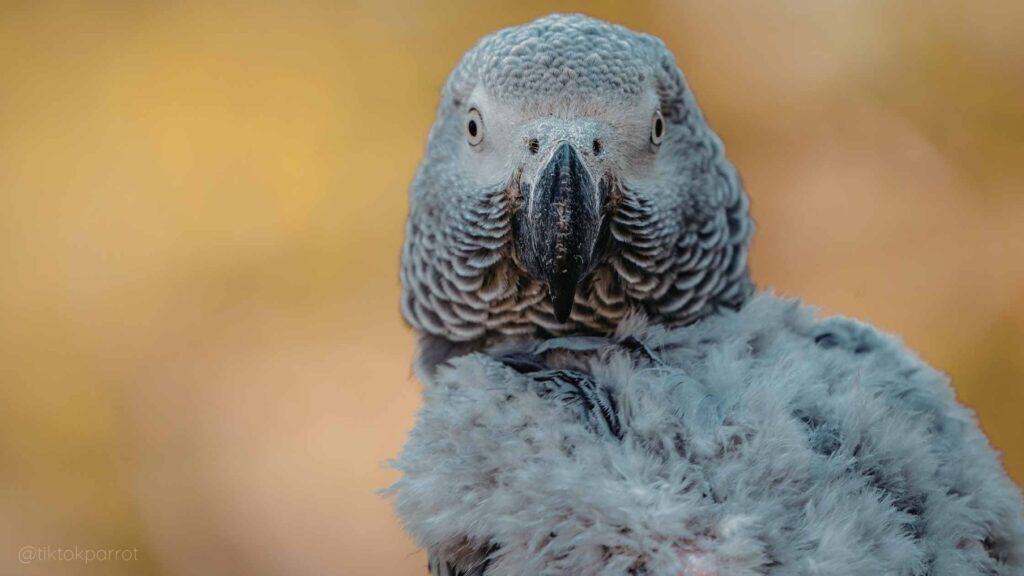
Have you ever watched your African Grey parrot—whether a chatty Congo or a slightly shyer Timneh—suddenly go quiet, start plucking feathers, or show signs of weakness that leave you worried sick?
As someone who’s spent over a decade working with these incredibly intelligent birds, both in my own flock and through consultations with owners worldwide, I’ve seen how quickly health issues in African Greys can escalate if not caught early.
These sensitive, long-lived companions (often reaching 50+ years) are prone to certain conditions due to their unique physiology and high intelligence. The good news? Most health issues in African Greys are highly preventable with the right knowledge, diet, environment, and proactive care.
In this comprehensive guide, I’ll walk you through the top concerns, warning signs, and—most importantly—actionable steps to keep your feathered friend thriving. Whether you’re a first-time owner or a seasoned keeper, these insights come straight from real-world experience and reliable avian veterinary principles.
Table of Contents
Understanding Why African Greys Are Prone to Specific Health Issues
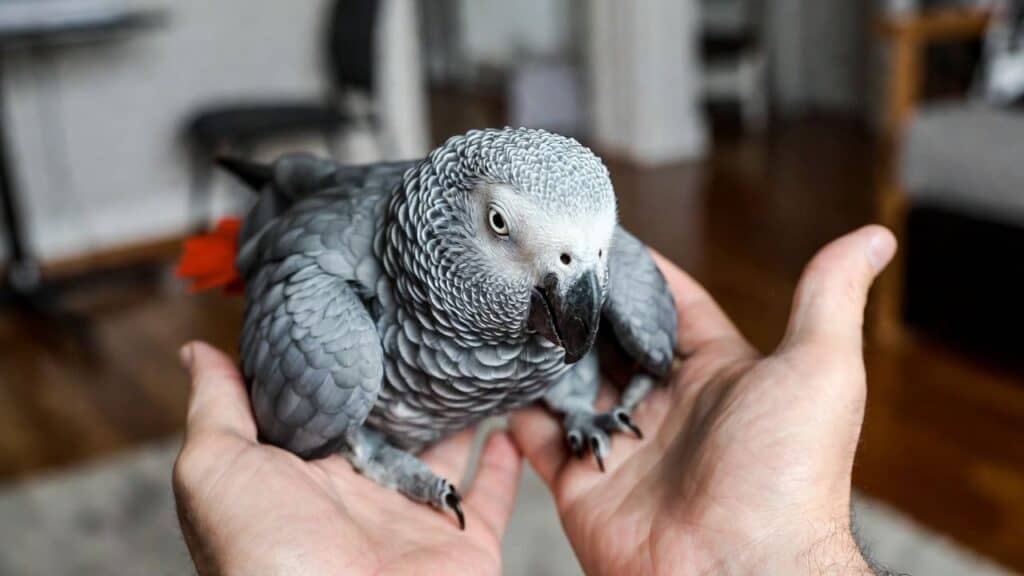
African Greys (Psittacus erithacus for Congos and Psittacus timneh for Timnehs) evolved in the dense, humid rainforests of West and Central Africa. Their bodies are finely tuned for that environment, making them particularly sensitive to captive conditions like dry air, seed-only diets, and limited mental stimulation.
Many owners notice subtle changes first—reduced talking in these famous talking parrots, less playfulness, or changes in droppings—before more obvious symptoms appear. Early intervention is key. Let’s dive into the most common problems.
1. Nutritional Deficiencies: The Root of Many Problems
Poor diet tops the list of preventable health issues in African Greys. These birds have high calcium demands and are especially vulnerable to imbalances.
Hypocalcemia (Low Calcium Levels)
African Greys are uniquely prone to hypocalcemia syndrome. Symptoms include tremors, seizures, weakness, poor coordination, and even sudden falls from perches. In my experience, many owners first spot it when their bird seems “off-balance” or starts having muscle twitches during handling.
Prevention Tips:
- Balanced Diet: Feed a high-quality pellet as 60-70% of the diet, supplemented with fresh foods. Avoid all-seed diets—they’re low in calcium and high in fat/phosphorus.
- Calcium-Rich Foods: Offer dark leafy greens (kale, collards, dandelion), broccoli, almonds (in moderation), and calcium-rich cuttlebone or mineral blocks.
- Vitamin D3 and UVB: Provide 10-12 hours of unfiltered natural sunlight or full-spectrum UVB lighting daily. Glass filters out beneficial rays, so outdoor time (in a secure aviary) or UVB bulbs are essential.
- Supplementation: Consult your avian vet for blood testing and appropriate supplements—never guess dosages.
One thing I always recommend: Get baseline bloodwork when you first bring your Grey home. It catches deficiencies before clinical signs appear.
Vitamin A Deficiency
This often goes hand-in-hand with seed diets and leads to respiratory issues, poor feather quality, and increased infection risk because it impairs mucus production in the respiratory tract.
Signs: White plaques in the mouth, swollen eyes, sinus infections, and dull feathers.
Actionable Prevention:
- Include beta-carotene rich foods like carrots, sweet potatoes, mango, papaya, and red peppers.
- A varied fresh diet is non-negotiable—aim for 20-30% vegetables and some fruit daily.
Common Mistake to Avoid: Relying solely on pellets without fresh foods. Pellets are great but not a complete substitute for natural variety.
2. Feather Plucking and Self-Mutilation
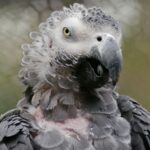
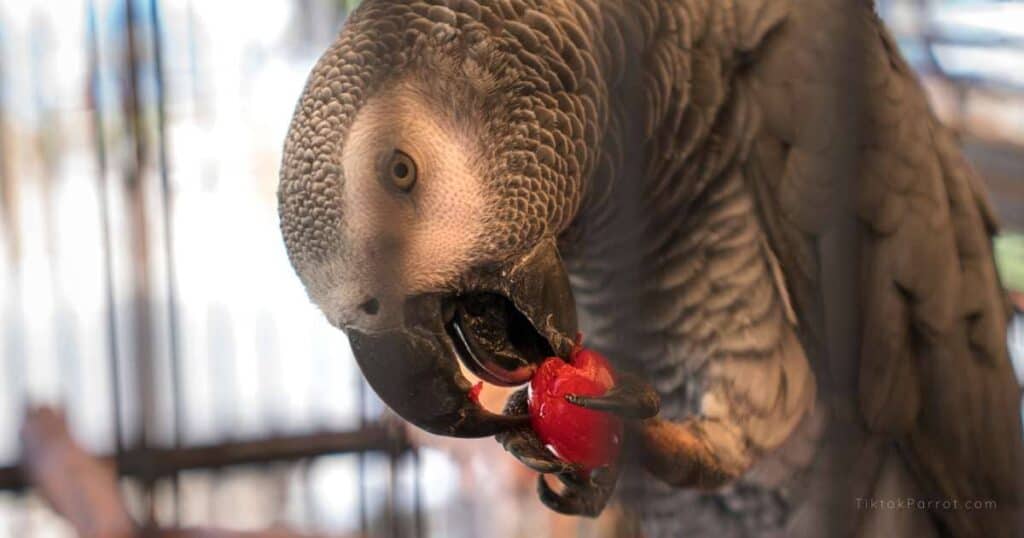
Feather plucking (also called feather destructive behavior or FDB) is heartbreakingly common in African Greys and often signals underlying health or environmental issues.
It’s rarely “just behavioral.” In my years of blogging and consulting, I’ve found that medical causes must be ruled out first—about 50% of cases have a physical component.
Potential Causes:
- Nutritional deficiencies (calcium, vitamin A).
- Skin irritation from low humidity or dry air.
- Stress, boredom, or lack of mental stimulation.
- Hormonal imbalances or reproductive issues.
- Infections or parasites.
Prevention and Solutions:
- Rule Out Medical Issues: Full vet exam including bloodwork, skin scrapes, and possibly biopsies.
- Environmental Enrichment: Rotate toys daily, provide foraging opportunities (puzzle feeders, wrapped treats), and ensure 3-4+ hours of out-of-cage time with interaction.
- Bathing Routine: African Greys come from humid forests—mist them several times a week or offer shallow baths. Low humidity causes itchy, dry skin.
- Social Needs: These intelligent birds need consistent companionship. Daily training sessions (target training, trick training) build confidence and bond.
- Safe Space: A cage that’s wider than tall (they prefer horizontal space), placed in a family area but with a quiet retreat corner.
Many owners notice improvement within weeks when combining medical support with enrichment. Patience is crucial—plucking can become a habit even after the trigger is removed.
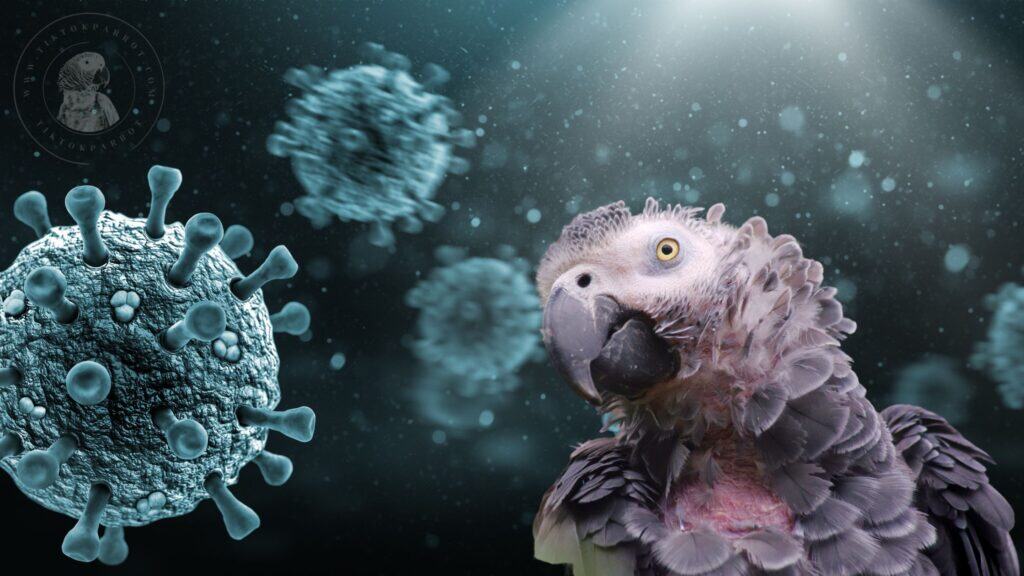
3. Respiratory Infections and Aspergillosis
Respiratory problems rank high among health issues in African Greys due to their sensitive airways and vitamin A links.
Common Culprits:
- Bacterial infections.
- Fungal (Aspergillosis—common in stressed or immunocompromised birds).
- Psittacosis (Chlamydia psittaci)—a zoonotic disease, so it affects humans too.
Warning Signs: Tail bobbing, wheezing, nasal discharge, voice changes, lethargy, or fluffed-up appearance.
Prevention Strategies:
- Excellent ventilation without drafts.
- Regular cage cleaning with bird-safe disinfectants.
- No exposure to smoke, aerosols, perfumes, or Teflon fumes (non-stick cookware is deadly when overheated).
- Strong immune system through diet and low stress.
- Annual vet check-ups with fecal tests and cultures if needed.
Safety Warning: If you suspect psittacosis, seek immediate veterinary care—it’s treatable with antibiotics but contagious. Good hygiene protects both you and your bird.
4. Obesity and Related Complications
With their love for fatty seeds and sedentary captive life, many Greys pack on extra weight, leading to fatty liver disease, heart strain, and reduced lifespan.
Prevention:
- Portion control: Measure pellets and limit high-fat treats like nuts to occasional rewards.
- Exercise: Encourage flight (if wings are not clipped) or wing-flapping games. Forage-based feeding increases activity.
- Regular weigh-ins on a digital scale—track trends.
In my experience, converting to a pellet + fresh food diet often leads to natural weight normalization and brighter energy levels.
5. Other Notable Health Issues in African Greys
- Heavy Metal Poisoning: From chewing galvanized cages, old paint, or jewelry. Symptoms: Regurgitation, weakness, seizures. Prevention: Use stainless steel or powder-coated cages and safe toys.
- Psittacine Beak and Feather Disease (PBFD): Viral, often fatal long-term. Quarantine new birds and buy from reputable sources with testing.
- Proventricular Dilatation Disease (PDD): Affects digestion and nerves. Less common but serious.
- Behavioral Links to Health: Aggression or sudden screaming can stem from pain or discomfort. Always consider a medical check before assuming pure behavioral issues.
Pro Tip: Build a relationship with a certified avian veterinarian (CAV or ABVP Diplomate). Routine wellness exams every 6-12 months save lives.
Creating a Preventive Lifestyle for Your African Grey
Prevention isn’t one big change—it’s dozens of small, consistent habits:
- Daily Routine: Fresh food/water, 10-12 hours sleep in a covered cage, social time.
- Enrichment Calendar: Vary perches (natural branches for foot health), introduce new safe woods for chewing.
- Monitoring: Learn your bird’s normal droppings, weight, and vocalizations. Any deviation warrants attention.
- Quarantine: 30-45 days for new birds.
- Stress Reduction: Minimize major changes; use consistent positive reinforcement training.
For both Congo African Grey and Timneh Grey owners, these principles hold true, though Timnehs can sometimes be a bit more resilient but still need the same dedicated care.
My Final Thoughts: Proactive Care for a Lifetime of Companionship
Health issues in African Greys—from hypocalcemia and vitamin deficiencies to feather plucking and respiratory challenges—can feel overwhelming, but they’re largely within our control as responsible owners. By prioritizing a species-appropriate diet, rich enrichment, proper lighting and humidity, regular veterinary care, and genuine companionship, you give your intelligent talking parrot the best chance at a long, vibrant life.
Remember, these birds form deep bonds. The effort you put into prevention pays back tenfold in joyful chatter, playful antics, and trusting companionship.
What health challenges have you faced with your African Grey? Share in the comments below—I read every one and often reply with tailored tips. For more in-depth health guides, check out this section or learn more about your Grey’s Body Language.
Your bird deserves the best. Let’s keep those Greys healthy, happy, and talking for decades to come.
If this blog post has helped you, please share it with your family and friends who might also find it helpful. If you love African Greys, join our community of Grey owners! You can meet other owners, share tips and learn from each other.
Stay safe and much love!


Hey there! 🐾 Looking for top-notch pet supplies or anything on Amazon?
Support our site by shopping on Amazon through our this referral link, it will not cost you extra!
Your purchases on Amazon can help us continue providing valuable content.
Thank you for your support! 🛍️