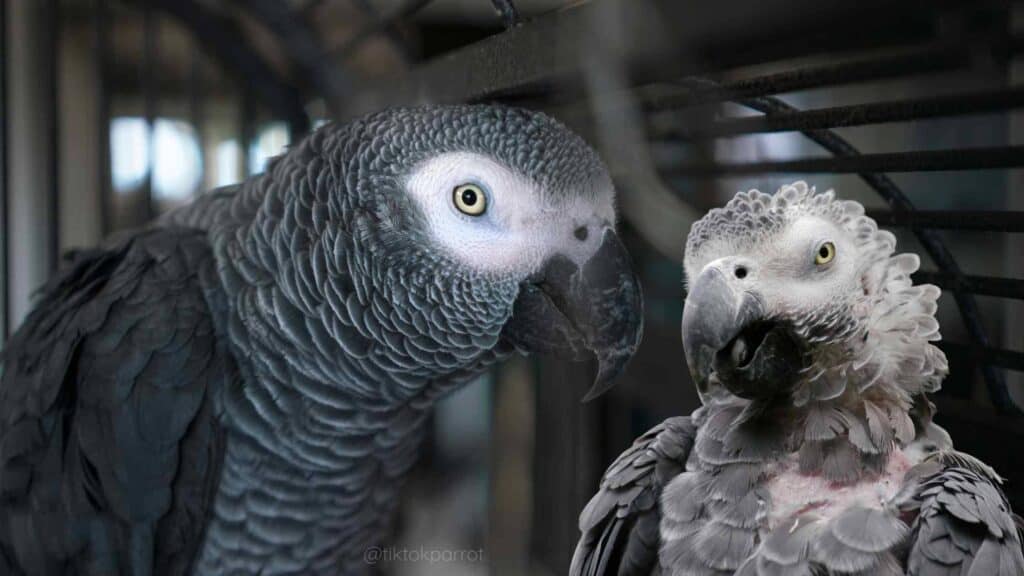
One of the most distressing things an African Grey parrot owner can witness is their bird pulling out its own feathers. What begins as occasional over-preening can escalate into bare patches, raw skin, and a cycle that’s frustratingly difficult to break. If your African Grey is plucking, you’re not alone — this is one of the most common and complex behavioral issues in the species. The good news is that with the right approach, it can be managed and often resolved entirely.
This guide covers why African Grey parrots pluck, how to identify the root cause, and — most importantly — what you can actually do about it.
Table of Contents
Why Do African Grey Parrots Pluck Their Feathers?
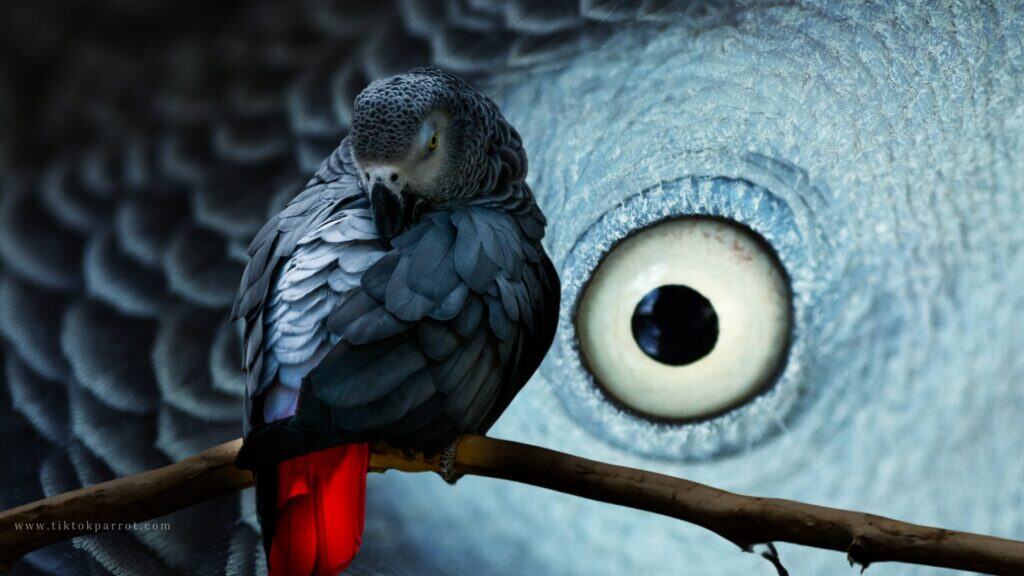
Feather plucking (also called feather destructive behavior or FDB) is rarely a single-cause problem. In African Greys especially, it tends to be a signal that something is wrong — physically, emotionally, or environmentally. Before any solution can work, you need to understand what’s driving the behavior.
Medical Causes
Always rule out a medical cause first. Feather plucking is sometimes a response to physical discomfort that your bird simply cannot express any other way. Common medical triggers include:
- Bacterial or fungal skin infections that cause itching or irritation
- Internal parasites or external mites
- Hormonal imbalances, particularly during breeding season
- Nutritional deficiencies, especially lack of calcium, vitamin A, or essential fatty acids
- Allergies to food, airborne particles, or cage materials
- Liver disease, which is more common in seed-heavy diets
- Psittacine beak and feather disease (PBFD), a viral condition that affects feather growth
A thorough examination by an avian veterinarian — including bloodwork, skin cultures, and possibly feather testing — is the essential first step. Treating behavioral plucking without ruling out medical causes is like treating a symptom while ignoring the disease.
Psychological and Behavioral Causes
If your African Grey gets a clean bill of health, the cause is almost certainly rooted in stress, boredom, or emotional distress. African Greys are among the most cognitively advanced birds on the planet, and that intelligence comes with a cost: they have complex emotional needs that, when unmet, manifest in destructive behaviors.
Common psychological triggers include:
- Loneliness and under-stimulation — African Greys need significant daily interaction
- Major life changes — a move, a new pet, a new baby, or even rearranging furniture
- Loss of a bonded companion, whether human or another bird
- Irregular schedules — African Greys thrive on routine
- Lack of sleep — they need 10 to 12 hours of uninterrupted darkness each night
- Chronic stress from loud environments, unpredictable handling, or perceived threats
How to Stop Feather Plucking: A Practical Step-by-Step Approach
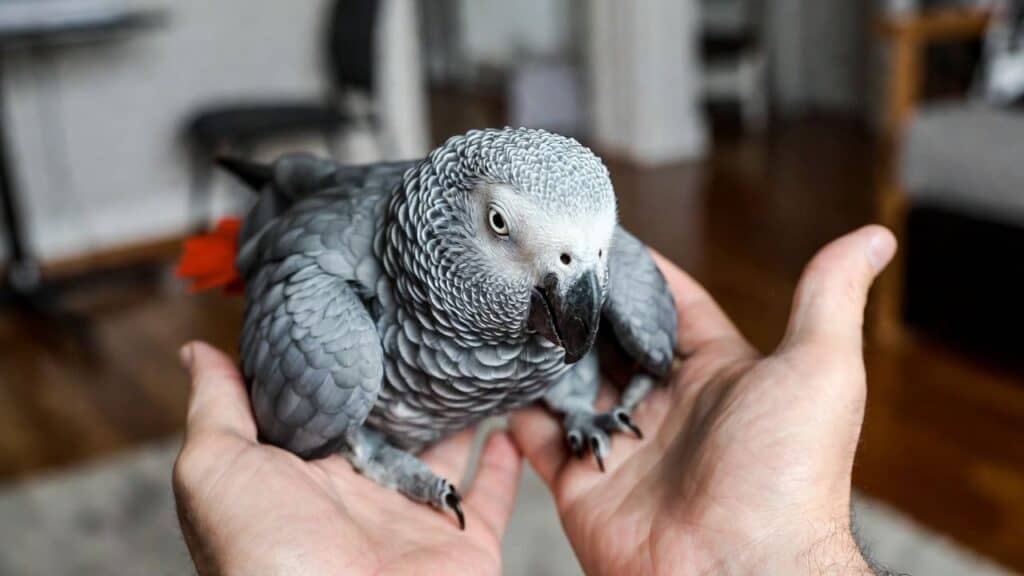
Step 1: Visit an Avian Veterinarian Immediately
This is non-negotiable. Do not attempt behavioral interventions before getting a professional medical assessment. Ask for a full health panel, feather condition evaluation, and PBFD test. If a medical cause is found, treating it may resolve the plucking on its own.
Step 2: Evaluate and Improve the Diet
A poor diet is one of the most overlooked contributors to feather problems. Parrots fed primarily seeds are chronically deficient in key nutrients needed for healthy feather growth and skin integrity. Transition your African Grey to a high-quality pelleted diet as the base (ideally 60–70% of intake), supplemented with:
- Fresh leafy greens (kale, chard, spinach in moderation)
- Orange and yellow vegetables for beta-carotene (vitamin A precursor)
- Cooked legumes and grains for protein
- Omega-3 rich foods like walnuts or a vet-recommended supplement
Avoid avocado, chocolate, onion, and anything high in salt or sugar.
Step 3: Enrich the Environment
Boredom is a direct feather-plucking trigger. African Greys need mental stimulation every single day — not just a toy left in the cage, but active engagement with puzzles, foraging activities, and varied objects to investigate.
- Rotate toys regularly so the environment feels fresh and novel
- Introduce foraging feeders that require effort to access food
- Provide different textures — wood, rope, leather, and paper all offer sensory variety
- Give your bird time outside the cage daily for exploration and interaction
- Consider puzzle feeders or enrichment toys designed for large parrots
Step 4: Increase Social Interaction
African Greys are not decorative pets — they are social animals that bond deeply and suffer genuinely when that bond is neglected. If your Grey is plucking, assess honestly how much quality time you’re spending with them each day.
- Aim for at least 2 to 4 hours of out-of-cage time and interaction daily
- Talk to your bird, train with positive reinforcement, and engage in cooperative activities
- If your schedule genuinely cannot support this level of interaction, consider whether a companion bird (introduced carefully) might help
Step 5: Stabilize the Routine
African Greys are creatures of habit. Even small changes to their routine — a different feeding time, a new person in the household, a change in your work schedule — can create enough anxiety to trigger plucking. Work toward a consistent daily structure:
- Same wake and sleep times each day
- Consistent feeding schedule
- Predictable social interaction windows
- Cover the cage at the same time each night to ensure 10–12 hours of rest
Step 6: Address Stress Triggers in the Environment
Walk through your home from your bird’s perspective. Is the cage positioned near a drafty window? Is a TV or radio playing at high volume nearby? Is there a cat or dog whose presence creates constant low-level fear?
Relocate the cage to a quiet, active family area where your Grey can observe household life without being overwhelmed. Avoid placing the cage in direct sunlight, near air vents, or in isolated rooms.
Step 7: Use Positive Reinforcement — Never Punishment
Shouting at or physically redirecting a plucking bird only adds stress to an already anxious animal. When you notice plucking behavior, calmly redirect your bird’s attention to a toy or an activity without making a scene. Giving a dramatic reaction — even a negative one — can actually reinforce the behavior, since the bird learns that plucking gets your attention.
Work with your avian vet or a certified parrot behavior consultant to develop a structured desensitization and enrichment plan.
When to Consider a Collar or Body Suit
In severe cases where the skin is being broken and infection risk is high, your vet may recommend a temporary collar or feather-protective body suit to allow healing. These should only be used under veterinary guidance and alongside active behavioral intervention — a collar without addressing root causes offers no long-term benefit and adds stress to an already distressed bird.
Common Mistakes Owners Make When Dealing With Feather Plucking
- Assuming it’s purely behavioral without a vet check — medical causes are more common than owners realize
- Changing everything at once — big environmental overhauls can worsen anxiety; make changes gradually
- Replacing interaction with more toys — enrichment helps, but it doesn’t substitute for genuine social bonding
- Giving up too quickly — recovery from established plucking habits takes weeks to months of consistent effort
- Punishing the bird — this increases stress and makes the problem worse
Frequently Asked Questions
Why is my African Grey parrot pulling out its feathers?
Feather plucking in African Greys is most commonly caused by boredom, loneliness, stress, or medical conditions such as skin infections, nutritional deficiencies, or PBFD. A vet examination is always the first step.
Can feather plucking in African Greys be cured?
It depends on the cause. Medically-driven plucking often resolves with treatment. Behavioral plucking can take weeks or months to improve with consistent enrichment, social interaction, and routine changes — but many birds do recover fully.
Does feather plucking hurt African Grey parrots?
Mild plucking of contour feathers is generally not painful. However, when birds pluck down feathers or break the skin, it can cause irritation, infection, and significant discomfort. Cases with skin damage should be treated as a veterinary urgency.
How long does it take for feathers to grow back after plucking?
Minor feather loss can regrow within a few weeks to a few months. Chronic plucking that has damaged the feather follicles may result in permanent bare patches. Early intervention gives the best chance of full regrowth.
Should I get another bird to stop feather plucking in my African Grey?
A companion bird can help in cases of loneliness, but it is not a guaranteed solution and can sometimes increase stress. Introduce any new bird slowly and carefully, and consult an avian vet or behaviorist beforehand.
Conclusion
Feather plucking in African Grey parrots is a serious issue that demands a thoughtful, multi-layered response. Start with a veterinary visit, then work systematically through diet, enrichment, social interaction, and routine stability. There is no overnight fix, but with patience and consistency, most African Greys can reduce or stop plucking entirely. Your bird is communicating that something in its world isn’t right — your job is to listen carefully and respond with care.
If you liked this blog, please share it with your family and friends who might also find it helpful. If you love African Greys, join our community of Grey owners! You can meet other owners, share tips and learn from each other.
Stay safe and much love!


Hey there! 🐾 Looking for top-notch pet supplies or anything on Amazon?
Support our site by shopping on Amazon through our this referral link, it will not cost you extra!
Your purchases on Amazon can help us continue providing valuable content.
Thank you for your support! 🛍️