Should You Cover Your Parrot at Night? The Pros, Cons, and Sleep Secrets Revealed!
You’ve survived another day with your African Grey Parrot. Congratulations! You’ve navigated the morning “alarm clock” whistles, survived the lunch-time flying broccoli incident, and successfully negotiated with a creature that has the IQ of a rocket scientist and the temper of a toddler who skipped their nap.
Now, the sun is going down, the house is quiet, and the big question pops into your head: Bird’s Cage to cover or not to cover? It sounds like a simple choice, but in the world of bird ownership, it’s a debate as heated as whether pineapple belongs on pizza.
If you’ve spent any time on bird forums, you know that everyone has an opinion. Some owners swear that a cage cover is the only thing standing between them and a 5:00 AM screaming match. Others claim that covering a cage is like putting your bird in a sensory deprivation tank. So, what’s the real deal?
Should your feathered Einstein sleep under a blanket, or should they be left to stare at the shadows on the wall? Let’s pull back the curtain (literally) on the nighttime habits of the African Grey.
Table of Contents
The Call of the Wild: Why Do We Cover Bird’s Cage Anyway?
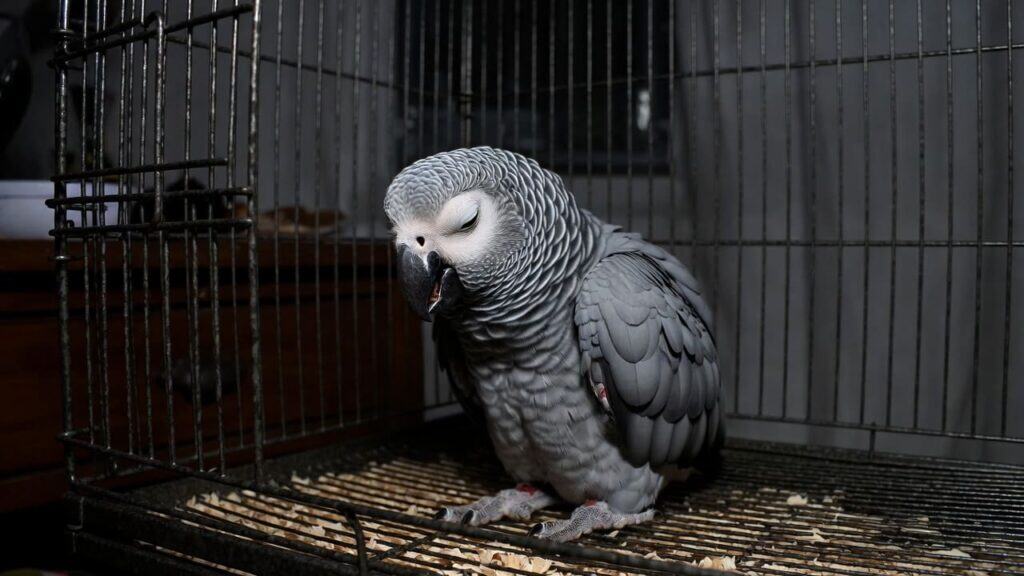
In the wild, your African Grey Parrot wouldn’t have a custom-fitted velvet cover with their name embroidered on it. They’d be tucked away in a hollow tree or perched high in the thick canopy of a West African forest. The “roof” over their head would be leaves and branches. This provides two things: darkness and a feeling of being hidden from things that want to eat them.
When we bring them into our homes, we’re trying to mimic that “hollow tree” vibe. Most experts agree that parrots need about 10 to 12 hours of solid, uninterrupted sleep. If you’re a night owl who likes to watch action movies at 11:00 PM with the lights on, your bird isn’t getting the quality shut-eye they need. A cover acts like a “Do Not Disturb” sign for their brain. It tells them that the day is officially over and it’s time to stop worrying about where the next walnut is coming from.
Benefit #1: The Melatonin Magic
Just like us, birds have a circadian rhythm. Their bodies rely on the cycle of light and dark to regulate everything from their hormones to their immune system. If your living room is bright until midnight, your African Grey Parrot is basically living in a state of permanent jet lag.
A cover helps block out the “artificial sun” (your LED lamps and TV screen). By creating a dark environment, you’re helping their brain produce melatonin, the hormone that says, “Hey, let’s go to sleep and maybe dream about sunflower seeds.” Without enough sleep, a Grey can become a “zombie bird”—cranky, prone to biting, and more likely to start plucking their feathers out of sheer exhaustion and stress.
Benefit #2: The Draft Guard
Let’s talk about health. Parrots are hardy, but they are also sensitive to sudden temperature drops and drafts. If your bird’s cage is near a window or an AC vent, a cover can act as a cozy little windbreaker. It traps a bit of their body heat inside the cage and keeps those chilly midnight breezes from ruffling their feathers in the wrong way. Think of it as a nice, lightweight duvet for their house.
The Dark Side: When Covering Goes Wrong
Now, before you go out and buy a heavy-duty blackout tarp, we need to talk about the “Night Fright.” This is particularly common with the African Grey Parrot. Because they are so hyper-aware of their surroundings, being suddenly plunged into total darkness can be terrifying.
Imagine you’re sleeping and you hear a weird noise. You open your eyes, but you can’t see anything—no floor, no walls, nothing. You’d panic, right? If a moth flies into the cage or the house settles with a “creak,” a covered bird might freak out. They start flapping wildly in the dark, hitting the cage bars and potentially breaking blood feathers or hurting their wings. This is a “Night Fright,” and it’s every bird owner’s nightmare.
The “Ghost in the Room” Syndrome
Some birds are actually more scared by the cover itself. If you use a cover that is a weird, bright color or a material that makes a loud “crinkle” sound, your bird might think you’re trying to trap them with a giant monster.
I’ve seen Greys that growl at their covers. If your bird is lunging at the blanket or looking at it like it’s a hungry snake, you’re not doing them any favors. In this case, the cover is causing more stress than the light ever could. Is it worth the “quiet time” if your bird is spending the whole night in a state of high alert?
How to Cover Like a Pro (The “Middle Ground” Strategy)
If you’ve decided to try covering your African Grey Parrot, don’t just throw an old smelly gym towel over them and call it a day. There’s an art to the “tuck-in.”
- Breathability is Non-Negotiable: Never use plastic or heavy, airtight fabrics. Your bird needs oxygen (obviously). Use a thin, breathable cotton sheet or a specialized cage cover designed for birds.
- The “Three-Quarter” Rule: Many owners find that covering only three sides of the cage is the perfect compromise. This blocks out the direct light and makes the bird feel secure in a “corner,” but it leaves one side open so they can still see out. This significantly reduces the risk of Night Frights.
- The Nightlight Hack: If your Grey is prone to panicking, leave a small, dim nightlight on near the cage. This gives them just enough light to see that the “scary noise” was just the cat tripping over a shoe, not an apex predator.
- Cleanliness Matters: Covers collect dust and dander. If you don’t wash that cover regularly, your bird is breathing in all that “parrot glitter” (powder down) all night long. Wash it once a week with bird-safe, scent-free detergent.
Does Every Grey Need a Cover?
Here’s the honest truth: No.
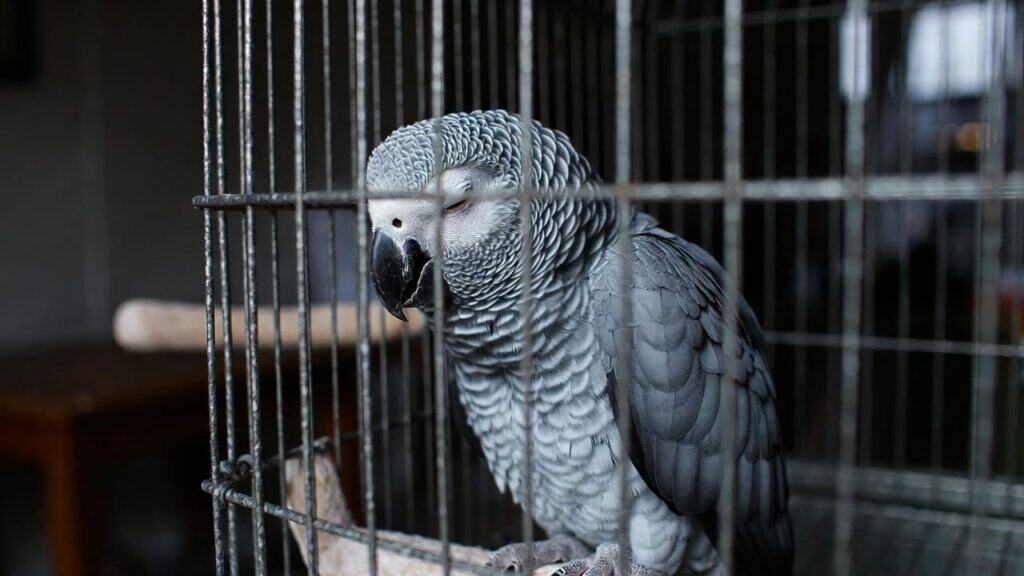
Some African Grey Parrots are perfectly happy sleeping in a dark room without a cover. If you have a dedicated “bird room” where you can turn out the lights and close the door, a cover might be redundant. If your bird sleeps soundly, doesn’t scream at the crack of dawn, and looks healthy, then you’re probably doing just fine without one.
On the other hand, if your bird is a “light sleeper” who wakes up every time you flip a light switch in the hallway, or if they start whistling the Mission Impossible theme at 4:30 AM because the streetlights are too bright, it’s time to invest in a cover.
Listening to Your Bird’s “Feedback”
Your African Grey will tell you what they want—you just have to listen.
- The Happy Signs: Your bird goes to their “sleep perch” as soon as they see the cover. They might make soft “beak grinding” noises (the parrot version of purring).
- The “Get This Off Me” Signs: They spend the night hanging from the side of the cage, or they shred the cover through the bars. If you find a giant hole in your expensive cover every morning, your bird is telling you they prefer the “open concept” lifestyle.
Conclusion
At the end I would say whether you decide to cover your African Grey Parrot or let them sleep “au naturel,” consistency is the real secret. Birds love routines. They want to know that bedtime happens at the same time every night. Whether that involves a fancy velvet cover or just turning off the lamps, find a rhythm that works for both of you.
At the end of the day, a well-rested parrot is a happy parrot (and a much quieter roommate). Experiment a little, watch your bird’s body language, and don’t be afraid to change things up if it’s not working!
What’s your nighttime routine? Do you cover your Grey’s cage, or do they prefer to see the world? Have you ever dealt with the dreaded “Night Fright”? Share your tips and bedtime stories in the comments below—I’d love to hear how your feathered friends like to sleep!
If you liked this blog, please share it with your family and friends who might also find it helpful. If you love African Greys, join our community of Grey owners! You can meet other owners, share tips and learn from each other.
Stay safe and much love!


Hey there! 🐾 Looking for top-notch pet supplies or anything on Amazon?
Support our site by shopping on Amazon through our this referral link, it will not cost you extra!
Your purchases on Amazon can help us continue providing valuable content.
Thank you for your support! 🛍️