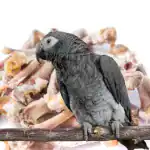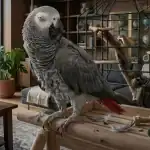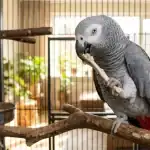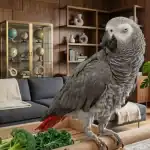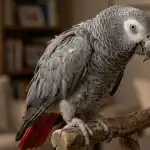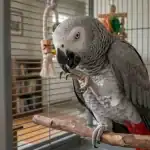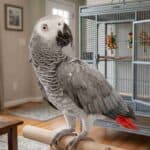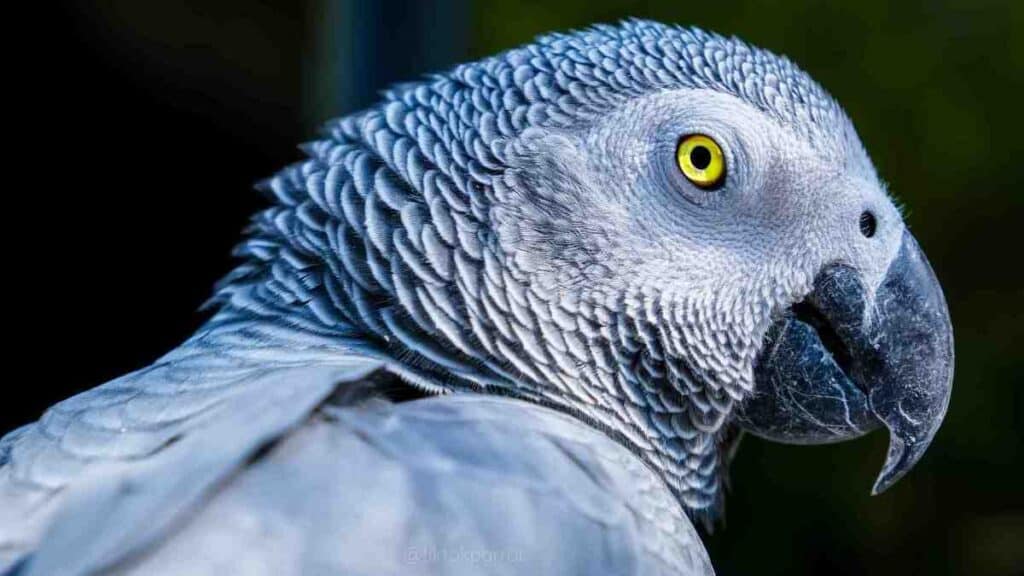
Have you ever looked at your usually sweet African Grey and wondered, “What happened to my bird?” One day they’re cuddly and chatty, and the next they’re lunging, screaming, territorial, or acting strangely possessive. If that sounds familiar, you’re definitely not alone.
Hormonal behavior in African Grey parrots is one of the most misunderstood challenges owners face. Whether you have a Congo African Grey, a Timneh Grey, or a young talking parrot just reaching maturity, hormones can trigger major personality shifts. In my experience, many owners panic and assume their bird has suddenly become aggressive or unhappy. But more often than not, hormones are playing a big role.
The good news? Hormonal behavior is manageable. With the right adjustments to your bird’s African Grey diet, environment, sleep routine, and handling, you can help calm aggressive behavior, reduce screaming, and restore balance at home.
In this guide, I’ll walk you through the common signs of hormonal behavior in African Grey parrots, why it happens, and practical calming techniques that genuinely work.
Table of Contents
What Causes Hormonal Behavior in African Grey Parrots?

Hormones are a natural part of life for parrots. In the wild, African Greys experience seasonal breeding periods influenced by daylight, food abundance, and environmental conditions.
Inside our homes, however, artificial lighting, overstimulation, improper diets, and accidental behavioral reinforcement can trigger hormonal responses year-round.
Most African Grey parrots begin showing hormonal changes between 3 to 8 years old, though older birds can still experience seasonal hormonal cycles.
Common Hormonal Triggers Include:
- Longer daylight exposure
- Warm, dark nesting-like spaces
- High-fat diets or excessive treats
- Over-bonding with one human
- Petting in inappropriate areas
- Changes in household routine
- Spring and seasonal breeding cycles
Many owners notice the biggest behavior changes during spring. However, indoor parrots exposed to artificial lighting may become hormonal at any time of year.
Signs of Hormonal Behavior in African Grey Parrots
Hormonal changes don’t always look the same from bird to bird. A Congo African Grey might become loud and territorial, while a Timneh Grey may become clingy or moody.
Here are the most common signs to watch for.
1. Increased Aggression
Aggression is often the first thing owners notice.
A normally friendly bird may suddenly:
- Bite harder than usual
- Lunge at hands
- Guard cages or favorite areas
- Become possessive of one person
- Attack family members or visitors
In my experience, owners often take this personally. But hormonal aggression is rarely about “bad behavior.” Your parrot is reacting to biological instincts they don’t fully understand.
Important safety warning: Never punish or yell at a hormonal African Grey. Punishment often increases fear, stress, and biting behavior.
Instead:
- Stay calm
- Avoid forced handling
- Respect body language
- Redirect attention gently
One thing I always recommend is learning your bird’s “warning signs” before a bite happens. Raised neck feathers, pinning eyes, tail fanning, or rigid posture usually mean, “Back off for now.”
2. Excessive Screaming or Loud Vocalization
Has your normally talkative parrot suddenly become incredibly loud?
Hormonal parrots often scream more because they’re seeking attention, defending territory, or trying to communicate frustration.
You may notice:
- Morning screaming
- Repetitive loud calls
- Attention-seeking noises
- Increased vocal mimicry
A talking parrot experiencing hormones may even repeat phrases obsessively or become louder than usual.
How to Calm Hormonal Screaming
Try these techniques:
1. Stick to a predictable schedule
Parrots thrive on routine. Feeding, bedtime, and play sessions should happen consistently.
2. Avoid rewarding screaming
If you immediately rush over every time your bird screams, you may accidentally reinforce the behavior.
Wait for calm moments, then reward quiet behavior with praise or interaction.
3. Increase enrichment
Boredom often worsens hormones.
Offer:
- Puzzle toys
- Foraging activities
- Safe chewing materials
- Training sessions
Mental stimulation can dramatically reduce hormonal frustration.
3. Territorial Behavior
Many owners are surprised when their African Grey suddenly becomes obsessed with protecting certain spaces.
Common territorial behaviors include:
- Defending the cage aggressively
- Guarding food bowls
- Attacking when approached
- Chasing hands away
Hormonal parrots may view cages, couches, closets, or blankets as nesting areas.
Common Mistake to Avoid
One of the biggest mistakes I see is allowing access to dark hiding spots.
Avoid:
- Blankets
- Under furniture
- Cardboard boxes
- Tents or enclosed spaces
- Closets or cabinets
These environments can trigger nesting instincts and intensify hormonal behavior.
Seasonal Hormonal Changes: Why Spring Can Be Difficult

Many African Grey owners notice dramatic shifts during spring—and there’s a reason.
Increased daylight naturally signals breeding season.
Even indoor parrots respond to:
- Longer days
- Warmer temperatures
- Household activity changes
A bird that seems sweet during winter may suddenly become moody, loud, or territorial.
In my experience, seasonal changes can last several weeks or even a few months.
The key is consistency and patience.
Remember: hormones are temporary.
The Role of Diet in Hormonal Behavior
Diet matters far more than most owners realize.
An unbalanced African Grey diet can accidentally fuel hormonal intensity.
Foods That May Increase Hormonal Energy
Excessive amounts of:
- Seeds
- Nuts
- High-fat treats
- Sugary foods
- Warm mushy meals given excessively
This doesn’t mean nuts are “bad.” They’re nutritious in moderation, especially for training.
But overfeeding calorie-dense foods can sometimes mimic breeding abundance in nature.
A Hormone-Friendly African Grey Diet
Focus on balance.
A healthy diet may include:
Fresh Vegetables
- Bell peppers
- Broccoli
- Carrots
- Leafy greens
- Squash
Quality Pellets
A veterinarian-approved pellet base helps provide balanced nutrition.
Moderate Fruit
Fruit is healthy but should be limited due to sugar.
Controlled Healthy Fats
Use nuts sparingly as rewards rather than unlimited snacks.
One thing I always recommend is avoiding sudden food changes. Gradual transitions work best.
Sleep: The Most Underrated Hormone Management Tool
If there’s one calming strategy I wish more owners prioritized, it’s sleep.
African Grey parrots need 10–12 hours of uninterrupted darkness and quiet every night.
Lack of sleep is one of the biggest hidden causes of:
- Aggression
- Moodiness
- Screaming
- Feather plucking
- Anxiety
Signs Your Bird Isn’t Sleeping Enough
- Grumpiness
- Increased biting
- Restlessness
- Irritability
- Hyperactivity
Try this simple routine:
- Cover or darken the room at the same time nightly
- Eliminate late-night TV noise
- Avoid interruptions during sleep
- Keep mornings predictable
Many owners notice huge improvements within just a couple of weeks.
Proper Handling: What You Should and Shouldn’t Do
Believe it or not, the way we touch our parrots can unintentionally encourage hormones.
Safe Petting Areas
Stick to:
- Head
- Neck
- Around the beak
Avoid Touching
- Back
- Wings
- Tail base
- Under wings
- Belly
Why?
These areas can stimulate mating behaviors.
In my experience, owners often accidentally create stronger hormonal responses by cuddling their bird like a puppy or cat.
Your African Grey loves affection—but healthy boundaries matter.
Hormonal Feather Plucking: When to Worry
Some hormonal African Greys may start feather plucking or over-preening.
This can happen because of:
- Hormonal frustration
- Stress
- Boredom
- Anxiety
- Environmental triggers
When to Call an Avian Vet
Seek professional help if:
- Skin becomes visible
- Blood feathers are damaged
- Self-injury occurs
- Plucking becomes obsessive
Never assume feather loss is “just hormones.”
Medical issues such as infections, nutritional deficiencies, or pain should always be ruled out first.
Research in avian veterinary medicine has shown that behavioral and environmental enrichment can significantly improve stress-related behaviors in parrots when combined with proper medical assessment.
Calming Techniques That Actually Work
Over the years, I’ve found a few strategies consistently help calm hormonal African Grey parrots.
1. Increase Training Sessions
Short, positive sessions redirect energy.
Teach:
- Step-up
- Recall
- Trick behaviors
- Target training
Training builds trust and mental stimulation.
2. Rotate Toys Frequently
A bored bird often becomes a louder, moodier bird.
Try rotating toys every week.
Include:
- Shredding toys
- Foraging puzzles
- Natural wood chew toys
- Problem-solving activities
3. Reduce Over-Bonding
If your bird becomes obsessed with one person, encourage interaction with other family members.
This helps reduce possessiveness.
4. Manage Light Exposure
Aim for consistent day-night cycles.
Avoid late-night lights and overstimulation.
Natural rhythms matter.
5. Stay Calm Yourself
Parrots are emotional mirrors.
If you react with frustration, shouting, or anxiety, your bird often escalates too.
Sometimes the calmest thing you can do is simply give your African Grey space.
Common Mistakes Owners Make During Hormonal Phases
Here are the biggest mistakes I see repeatedly:
Mistake #1: Punishing Aggression
This damages trust and increases fear.
Mistake #2: Encouraging Nesting
Dark spaces can worsen hormones quickly.
Mistake #3: Inconsistent Sleep
Late bedtimes create behavioral chaos.
Mistake #4: Overfeeding Fatty Foods
Too many treats can intensify hormonal cycles.
Mistake #5: Expecting Instant Results
Hormonal behavior takes time to improve.
Patience matters.
Final Thoughts on Hormonal Behavior in African Grey Parrots
I would say living with a hormonal African Grey can feel overwhelming at times—I completely understand that. One week your bird seems perfectly happy, and the next they’re screaming, biting, or acting territorial.
But here’s the reassuring truth: hormonal phases are normal.
With patience, proper sleep, environmental adjustments, a balanced African Grey diet, and consistent routines, most parrots settle down significantly.
In my experience, the owners who succeed are the ones who stay calm, observe body language, and adapt rather than react.
Has your Congo African Grey or Timneh Grey gone through a hormonal phase? I’d love to hear your experience in the comments below. And if you found this guide helpful, consider signing up for our newsletter for more expert African Grey care tips and behavior advice.
If you liked this blog, please share it with your family and friends who might also find it helpful. If you love African Greys, join our community of Grey owners! You can meet other owners, share tips and learn from each other.
Stay safe and much love!


Hey there! 🐾 Looking for top-notch pet supplies or anything on Amazon?
Support our site by shopping on Amazon through our this referral link, it will not cost you extra!
Your purchases on Amazon can help us continue providing valuable content.
Thank you for your support! 🛍️