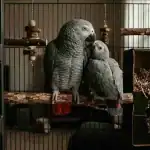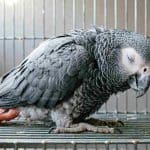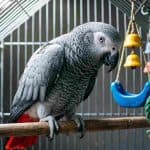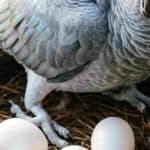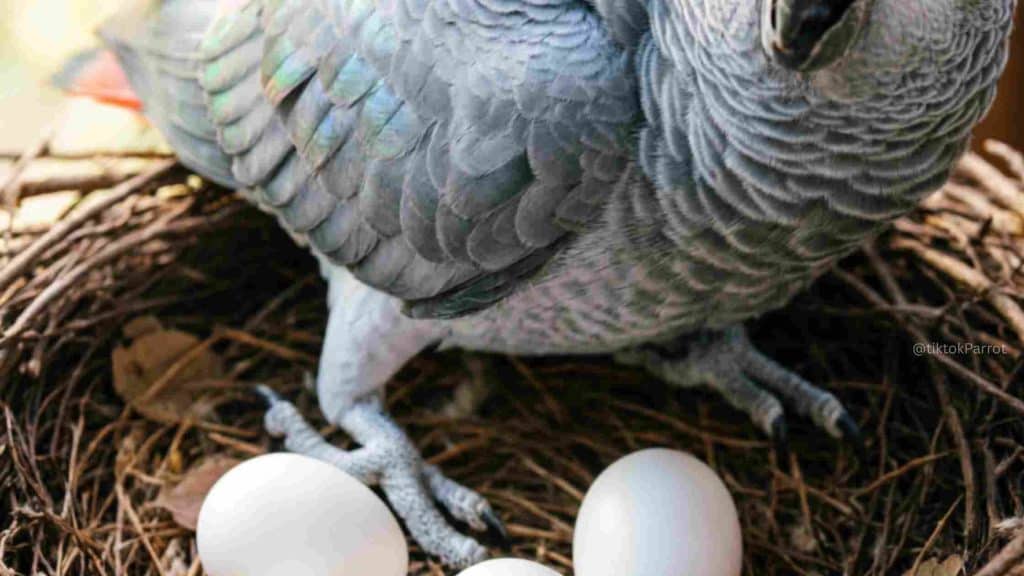
If you’ve walked over to your African Grey’s cage and found an egg sitting in the corner, your first reaction was probably somewhere between confusion and concern. Female African Greys can lay eggs even without a mate present, and while this is more common than most new owners realize, it’s not something to shrug off either. Understanding why this happens, what’s normal, and when to worry can make the difference between a minor housekeeping situation and a serious health emergency.
This guide walks through everything African Grey owners need to know about unfertilized egg-laying, from the biology behind it to the practical steps you should take the moment you spot an egg.
Table of Contents
Why African Greys Lay Eggs Without a Mate

Egg-laying in female birds isn’t dependent on fertilization. Just like domestic chickens produce eggs daily regardless of a rooster’s presence, a mature female African Grey has the biological hardware to produce eggs on her own. This is sometimes called “chronic egg-laying” or simply spontaneous egg production, and it’s driven by hormones rather than the presence of a mate.
Several factors can trigger or encourage this behavior:
- Perceived breeding conditions. Long daylight hours, warm temperatures, and a nest-like hideaway (a covered cage corner, a box, or even a favorite blanket) can signal to your bird’s body that it’s breeding season.
- Bonding with an object or person. Greys are famously affectionate, and a female can form a strong pair bond with a toy, a mirror, or even her favorite human. That bond can be enough to trigger hormonal cycling.
- Diet. A high-fat, high-calorie diet, especially one heavy in seeds, can push a bird’s body into breeding condition more easily than a balanced pelleted diet.
- Physical stimulation. Repeated petting along the back, tail, or under the wings mimics the physical contact birds experience during courtship, which can stimulate hormone production.
- Age and individual tendency. Some hens are simply more prone to laying than others, and the tendency often shows up once a bird reaches sexual maturity, typically between 3 and 6 years old for African Greys.
Is an Unfertilized Egg Dangerous?
A single egg, laid without complications, usually isn’t dangerous on its own. The real risk comes from repeated or chronic laying. Producing eggs requires enormous amounts of calcium and energy, and a hen who lays frequently without adequate nutritional support can develop serious health problems, including:
- Calcium deficiency and soft-shelled or shell-less eggs
- Osteoporosis from calcium being pulled from the bones
- Egg binding, a life-threatening condition where an egg becomes stuck in the reproductive tract
- Chronic weight loss and lethargy
- Prolapse of the reproductive organs in severe cases
This is why a bird laying one egg occasionally is different from a bird laying every week or two for months on end. The second scenario needs veterinary attention, not just observation.
Recognizing Egg Binding: A True Emergency
Egg binding deserves special mention because it can turn fatal within hours if untreated. Watch for these warning signs immediately after or during a suspected lay:
- Straining or repeated bobbing on the cage floor without producing an egg
- Fluffed feathers, lethargy, and closed eyes
- Labored breathing
- A visibly swollen abdomen
- Tail bobbing with each breath
If you notice any of these signs, contact an avian veterinarian immediately. This is not a wait-and-see situation.
What to Do When You Find an Egg
Step 1: Leave the egg in place for a few days. Removing an egg too quickly can encourage the hen to lay a replacement, prolonging the hormonal cycle. Most avian vets recommend leaving the egg where it is for 10 to 14 days (or until the bird loses interest in it) before discarding it.
Step 2: Watch for a pattern. One egg is common. If your bird lays a second or third egg within a few weeks, it’s time to call your vet and start addressing the underlying triggers.
Step 3: Check calcium levels. Ask your avian vet whether a calcium supplement, cuttlebone, or mineral block is appropriate. Egg production depletes calcium quickly, and hens who lay repeatedly are at real risk of deficiency.
Step 4: Adjust the environment. Reducing daylight hours to around 8-10 hours by covering the cage earlier in the evening can help reset hormonal signals that mimic breeding season.
Step 5: Remove nesting triggers. Take away any boxes, tents, or dark hideaways your bird has been favoring. Rearranging cage furniture can also help break the nesting association.
Practical Ways to Reduce Chronic Egg-Laying
Adjust Diet
Switch from a seed-heavy mix toward a balanced pelleted diet with fresh vegetables. Reducing high-fat treats like nuts and sunflower seeds lowers the “abundance” signal that can trigger breeding hormones.
Limit Physical Petting in Sensitive Areas
Stick to head and neck scratches, and avoid stroking the back, wings, or underneath the tail. This sounds like a small change, but it genuinely reduces courtship-style stimulation.
Rearrange the Cage Regularly
Birds in “nesting mode” often become territorial about a specific spot. Moving perches, toys, and food dishes every couple of weeks disrupts that pattern.
Control Light Exposure
Aim for a consistent 10-12 hour light cycle year-round, with a dark, quiet sleep period. Erratic or extended light exposure is one of the most common hidden triggers for hormonal behavior.
Talk to an Avian Vet About Hormone Therapy
For hens with truly chronic laying that doesn’t respond to environmental changes, veterinarians sometimes recommend hormone injections (like leuprolide acetate) to interrupt the cycle. This is a medical decision that should only be made with a qualified avian vet who has examined your bird.
Common Mistakes Owners Make
- Assuming it can’t happen without a male bird. This is the single most common misunderstanding among new owners.
- Removing the egg too soon. This can trigger the hen to lay again to “replace” it.
- Ignoring repeated laying. Treating every egg as a one-off, even when it becomes a pattern, delays necessary veterinary care.
- Over-petting a bonded bird. Well-meaning affection can unintentionally reinforce breeding hormones.
- Skipping calcium support. Repeated laying without supplementation puts a hen at serious risk of bone density loss.
Frequently Asked Questions
Can a female African Grey lay eggs without a male present?
Yes. Female African Greys can produce eggs on their own, without a mate or fertilization, once they reach sexual maturity.
How often is it normal for an African Grey to lay eggs?
An occasional single egg is generally not a cause for alarm. Regular or repeated laying (multiple eggs within weeks or months) is not normal and should be discussed with an avian vet.
What should I feed my African Grey if she keeps laying eggs?
Focus on a balanced, pelleted diet with fresh vegetables and reduce fatty treats like seeds and nuts. Ask your vet about calcium supplementation as well.
How do I know if my parrot is egg bound?
Signs include straining without producing an egg, fluffed feathers, lethargy, labored breathing, and a swollen abdomen. This is an emergency requiring immediate veterinary care.
Should I remove the egg right away?
No. Most experts recommend leaving the egg in the cage for about 10-14 days or until your bird loses interest, since removing it too early can prompt her to lay another.
Can petting my bird cause it to lay eggs?
Yes, petting along the back or under the tail can mimic courtship stimulation and contribute to hormonal egg-laying behavior.
Is chronic egg-laying harmful to my African Grey’s health?
Yes, it can lead to calcium deficiency, weakened bones, egg binding, and other serious health issues if left unaddressed, making veterinary guidance important.
Conclusion
Finding an unfertilized egg in your African Grey’s cage can be surprising, but it’s a well-documented part of hen biology, not a sign that something has gone terribly wrong. The key is paying attention to frequency: a single, isolated egg usually isn’t cause for panic, while repeated laying calls for changes to diet, lighting, and handling, along with a conversation with your avian vet.
With the right adjustments, most hens can be guided out of a chronic laying pattern and back to a healthy, balanced routine.
If this blog post has helped you, please share it with your family and friends who might also find it helpful. If you love African Greys, join our community of Grey owners! You can meet other owners, share tips and learn from each other.
Stay safe and much love!


Hey there! 🐾 Looking for top-notch pet supplies or anything on Amazon?
Support our site by shopping on Amazon through our this referral link, it will not cost you extra!
Your purchases on Amazon can help us continue providing valuable content.
Thank you for your support! 🛍️