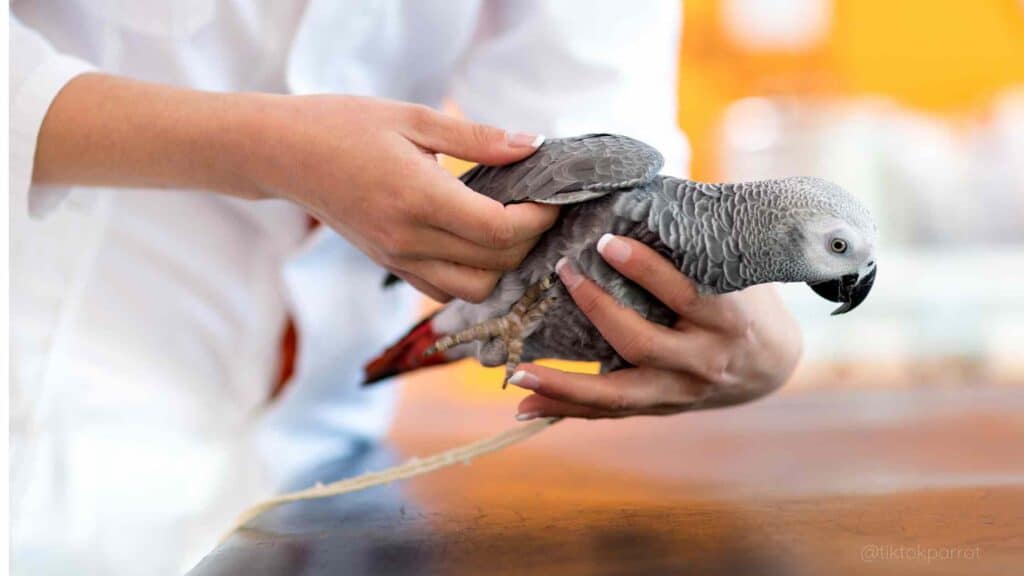
African Grey parrots are among the most intelligent birds on the planet — but that brilliance comes with a hidden cost. These birds are masters at masking illness. By the time an African Grey shows obvious signs of being unwell, the condition is often already serious.
Experienced avian veterinarians see this pattern every day, and most will tell you the same thing: the biggest threat to your bird isn’t the disease itself — it’s how late it gets caught.
This guide covers what avian vets genuinely wish every African Grey owner understood: the health risks unique to this species, why routine checkups are non-negotiable, and how to recognize a veterinary emergency before it’s too late.
Table of Contents
Why African Greys Are High-Risk Birds
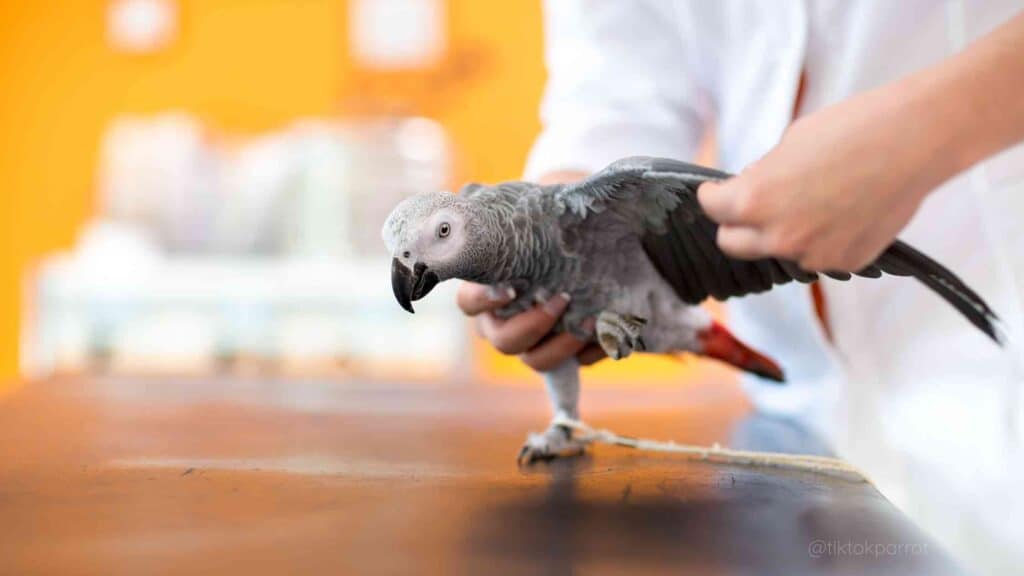
Not all parrots carry the same health risks. African Greys have a specific set of vulnerabilities that set them apart from other companion birds. Understanding these risks is the first step toward keeping your bird healthy for the decades ahead.
They Hide Illness Instinctively
In the wild, a sick bird is a vulnerable bird. Showing weakness attracts predators, so African Greys — like most prey animals — have evolved to mask symptoms until they can no longer physically do so. In captivity, this instinct works against them. By the time your Grey looks visibly unwell, stops eating, or sits fluffed at the bottom of the cage, the condition has often progressed to a critical stage.
This biological tendency is why avian vets emphasize wellness exams even when your bird appears perfectly healthy. The examination isn’t just about treating illness — it’s about catching what your bird is hiding.
The Most Common Hidden Health Risks in African Greys
1. Psittacine Beak and Feather Disease (PBFD)
PBFD is a viral disease caused by a circovirus that attacks the immune system and disrupts feather and beak development. African Greys are particularly susceptible. Early signs are subtle — minor feather abnormalities or slower feather regrowth — and are often dismissed as molting issues.
Over time, the disease causes progressive feather loss, beak deformities, and immune suppression that makes the bird vulnerable to secondary infections.
There is no cure for PBFD. Early diagnosis via DNA blood testing allows owners to manage the condition and prevent transmission to other birds.
2. Aspergillosis
This fungal infection caused by Aspergillus mold is one of the most common — and most deadly — diseases seen in African Greys. It thrives in damp environments and can colonize a bird’s respiratory system silently for months. Symptoms, when they appear, include labored breathing, tail-bobbing while breathing, nasal discharge, and lethargy.
African Greys are at elevated risk because of their sensitive respiratory systems and the fact that many owners keep them in conditions that inadvertently promote mold growth — old, damp substrate, poor ventilation, or feeding fresh food that isn’t removed promptly.
Treatment requires antifungal medications and, in advanced cases, can be extremely difficult. Prevention through clean husbandry and routine vet screenings is far more effective than treatment.
3. Hypocalcemia (Low Blood Calcium)
This is one of the conditions most closely associated with African Greys specifically. Unlike most other parrot species, Greys appear to have an unusually high calcium demand and are prone to hypocalcemia — a dangerous drop in blood calcium levels. The causes are not entirely understood, but vitamin D3 deficiency and inadequate diet are major contributing factors.
Signs of hypocalcemia include tremors, seizures, weakness, and sudden collapse. These episodes are terrifying to witness and are frequently the first sign owners notice — by which point the condition has become an emergency. Routine bloodwork during annual exams can catch low calcium levels before seizures occur.
4. Proventricular Dilatation Disease (PDD)
Also known as macaw wasting disease (it affects multiple species including Greys), PDD is caused by avian bornavirus. It attacks the nerves of the digestive system, leading to an inability to properly digest food. Infected birds often appear to eat normally but progressively lose weight, pass undigested food in their droppings, and waste away. There is no cure, and the disease can progress slowly over years — making early detection through annual exams critical.
5. Liver Disease
Fatty liver disease is increasingly common in captive African Greys fed seed-heavy diets. Seeds are calorie-dense and nutritionally imbalanced, and birds kept on them long-term often develop hepatic lipidosis (fat accumulation in the liver). Signs are often invisible until the disease is advanced, at which point owners may notice changes in droppings, weight gain, or feather quality. Bloodwork is the only reliable way to catch this early.
Annual Veterinary Checkups: What They Actually Involve
Many African Grey owners assume a vet visit is only needed when something is wrong. Avian vets universally disagree. Annual wellness exams are the cornerstone of preventive care for a bird that won’t show you it’s sick.
A thorough annual exam for an African Grey should include:
- Full physical examination — weight, beak condition, feather quality, eye and nasal discharge, muscle tone, and vent inspection.
- Complete blood panel — including calcium levels, liver enzymes, white blood cell count, and total protein. This is where hidden problems are most often found.
- Chlamydiosis (Psittacosis) testing — caused by Chlamydia psittaci, this bacterial infection can be transmitted to humans. Routine testing is recommended, especially in multi-bird households.
- Fecal examination — to check for parasites, abnormal bacteria, or yeast overgrowth.
- PBFD and polyomavirus screening — especially for birds with exposure to other birds or those with unexplained feather issues.
The cost of annual bloodwork pays for itself many times over compared to the cost — financial and emotional — of treating an advanced illness discovered too late.
Recognizing a Veterinary Emergency
Knowing when to call your vet immediately could save your bird’s life. The following signs in an African Grey should never be met with a “wait and see” approach:
- Seizures or trembling — a potential sign of hypocalcemia or neurological disease
- Labored or open-mouthed breathing — respiratory distress is always urgent
- Tail-bobbing with each breath — a classic sign of respiratory effort
- Sudden inability to perch or loss of balance
- Blood from any part of the body — beak, feathers, cloaca
- Passing undigested food or dramatically abnormal droppings (very watery, bright green, or bloody)
- Complete cessation of eating or drinking for more than 24 hours
- Fluffed feathers + lethargy + sitting at the cage bottom — this combination in a normally active bird is a red flag
Many of these emergencies unfold quickly once symptoms appear. African Greys do not have the buffer of time that larger animals might. If your bird displays any of these signs, contact an avian vet or emergency animal hospital immediately.
Choosing the Right Vet for Your African Grey
Not all veterinarians are equally equipped to treat parrots. African Greys require a vet with specific avian training and experience. When selecting a vet:
- Look for board certification in avian medicine (Diplomate of the American Board of Veterinary Practitioners – Avian Practice, or equivalent).
- Ask about their experience specifically with African Greys or large psittacines.
- Confirm they can perform in-house bloodwork — waiting days for lab results during a health crisis is dangerous for a bird.
- Find your vet before you need one urgently. Know your nearest emergency avian clinic and their hours.
Frequently Asked Questions
How often should an African Grey parrot see a vet?
At minimum, once a year for a wellness exam including bloodwork. Newly acquired birds, young Greys under 2 years, and seniors over 15 should be seen every 6 months.
What are the signs that an African Grey is sick?
Common signs include fluffed feathers, lethargy, changes in droppings, weight loss, labored breathing, tremors, reduced vocalizations, and loss of appetite. Because Greys hide illness, any change in normal behavior warrants a vet call.
Why do African Greys get seizures?
Seizures in African Greys are most commonly caused by hypocalcemia (low blood calcium). Other causes include heavy metal toxicity, neurological disease, or infection. Any seizure is a veterinary emergency.
Can African Greys get sick from mold?
Yes. Aspergillosis, caused by inhaling Aspergillus mold spores, is a serious and potentially fatal respiratory disease in African Greys. Clean, well-ventilated housing and prompt removal of fresh food reduces risk significantly.
Is it normal for an African Grey to lose feathers?
Some feather loss is normal during molting. However, excessive feather loss, bald patches, or self-destructive feather plucking warrants veterinary evaluation — it may indicate PBFD, nutritional deficiency, or a behavioral or medical condition.
Conclusion
African Grey parrots are extraordinary companions, but their instinct to hide illness means that their owners carry a real responsibility: staying ahead of health problems rather than reacting to them. Annual exams with bloodwork, a relationship with a qualified avian vet, and knowing the warning signs of an emergency are not optional extras — they are the baseline of responsible African Grey ownership.
The birds that live long, thriving lives into their 50s and 60s almost always have one thing in common: owners who didn’t wait until something looked wrong.
If you liked this blog, please share it with your family and friends who might also find it helpful. If you love African Greys, join our community of Grey owners! You can meet other owners, share tips and learn from each other.
Stay safe and much love!


Hey there! 🐾 Looking for top-notch pet supplies or anything on Amazon?
Support our site by shopping on Amazon through our this referral link, it will not cost you extra!
Your purchases on Amazon can help us continue providing valuable content.
Thank you for your support! 🛍️