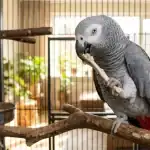
If you share your life with an African grey, you already know they’re not “just a bird” – they’re family, a bit dramatic, very intelligent, and sometimes suspicious of anything new. So when it comes to choosing a travel cage for African grey parrot, you can’t just grab any small carrier and hope for the best. The right travel cage can mean the difference between a calm, safe trip… and a screaming, feather-fluffing nightmare.
Looking for the best travel cage for African grey parrot? Discover what size, materials, safety features, and setup you really need, plus expert tips on what to avoid and how to make every trip calm and stress-free for your grey.
In this guide, we’ll break down what to look for, what to avoid, and some real-world tips to make traveling easier for both you and your grey.
Table of Contents
Why a Special Travel Cage for African Grey Parrot Matters
African greys are medium-sized parrots with big brains and strong beaks. A normal small bird carrier is often:
- Too flimsy
- Too small
- Poorly ventilated
- Or simply not escape-proof
A good travel cage for African grey parrot should keep them safe, secure, and comfortable while also making your life easier during car trips, vet visits, or even flights (if airline-approved).
What to Look For in a Travel Cage for African Grey Parrot
1. Correct Size (Not Too Tiny, Not Too Huge)
Your African grey should be able to:
- Stand comfortably
- Turn around fully
- Stretch wings a bit (not fully, but not cramped)
For most African greys, a travel cage that’s around 18–24 inches wide/long usually works well for short trips. Bigger isn’t always better for travel; if the cage is too large, it can feel unstable and unsafe during movement. Think cozy and secure, not “giant mansion.”
2. Strong, Chew-Resistant Bars
Let’s be honest: an African grey’s beak can destroy a cheap cage in record time.
Look for:
- Metal bars, preferably powder-coated or stainless steel
- Bar spacing around 1/2″ to 3/4″ to prevent head or leg getting stuck
- Solid door locks that your clever bird can’t open easily
If the cage looks like a toy, your grey will treat it like one. The travel cage for African grey parrot should feel sturdy when you shake it gently.
3. Safe, Non-Toxic Materials
Birds are sensitive to fumes and coatings. Avoid:
- Cheap paint that chips easily
- Rusty or corroded bars
- Unknown metal coatings
If you can, choose bird-safe metals and reputable brands. The last thing you want is your parrot chewing on toxic flakes during a long car ride.
4. Good Ventilation & Visibility
Your grey needs fresh air and also needs to see a bit of the world to feel secure. Look for:
- Plenty of ventilation on sides
- Not fully covered in plastic
- Option to partially cover with a light cloth if your bird gets stressed
Some parrots feel calmer with a little cover; others prefer to see everything. You’ll know your bird’s personality better than any article.
5. Secure, Easy-to-Carry Design
When choosing a travel cage for African grey parrot, remember you will be the one carrying it:
- Strong handle on top
- Lightweight but sturdy frame
- Stable base that doesn’t rock too much
If you travel often, a cage that can strap into a car seat or sit flat without sliding is a big plus for safety.
6. Simple Interior Setup
Inside the cage, keep it minimal but comfortable:
- One natural wood perch (not slippery plastic)
- Maybe one small toy or chew (if your bird is calm)
- Access to water for longer trips (drip bottle or spill-proof bowl)
Avoid overloading the travel cage. Too many toys or dishes can become dangerous projectiles if you suddenly brake or hit a bump.
What to Avoid in a Travel Cage for African Grey Parrot
Now, let’s talk about red flags.
❌ Too Small or “Budgie-Sized” Carriers
If it looks made for a parakeet or lovebird, it’s not a good travel cage for African grey parrot. Your grey shouldn’t be squished or forced to sit in one stiff position.
❌ Weak Plastic or Fabric-Only Carriers
Soft-sided pet carriers can work for small parrots or quick vet trips, but many African greys chew and rip through fabric or thin mesh. Also avoid:
- Cheap plastic doors that can be pushed open
- Zippers that a clever beak can “unlock”
Your bird should not be able to chew a hole or open the door while you’re driving.
❌ Toxic or Unclear Materials
If the cage has a strong chemical smell, sketchy paint, or unknown metal, skip it. Your parrot will chew the bars. That’s guaranteed.
❌ Overly Tall Perches
If the perch is too high and the cage is moving (in a car or on your arm), your grey might lose balance and fall. A slightly lower perch in the travel cage helps them feel more stable.
Expert Tips for Using a Travel Cage for African Grey Parrot
✅ 1. Introduce the Cage Slowly at Home
Don’t wait until the morning of a vet visit to introduce the new travel cage.
- Place it near your grey’s main cage
- Let them explore it at their own pace
- Add a favorite treat inside
- Practice short “fake trips” indoors
This way, the travel cage for African grey parrot becomes a familiar safe place, not a “sudden scary prison.”
✅ 2. Secure the Cage Properly in the Car
For car trips:
- Place the cage on a flat seat or floor
- Secure with a seatbelt if possible
- Avoid direct blast from AC or heater
- Never put the cage in direct sunlight for long
A stable ride = a calmer bird.
✅ 3. Watch Temperature & Drafts
African greys are sensitive to temperature changes. On trips:
- Keep the car comfortably warm or cool, not extreme
- Avoid strong drafts directly on the bird
- Never leave your parrot in a parked car (even “just for 5 minutes”)
✅ 4. Pack a Small “Travel Kit”
When using a travel cage for African grey parrot, keep a small kit ready:
- Extra food and treats
- A small bottle of water
- Paper towels or wet wipes
- Spare perch or small towel
You’ll thank yourself the first time they poop everywhere right before a vet visit. (Which they will. It’s almost a tradition.)
✅ 5. Stay Calm – They Feel Your Energy
African greys are emotional sponges. If you’re anxious, they feel it. Try to:
- Talk to your bird in a calm, happy voice
- Play soft music if that relaxes them
- Avoid shouting or slamming doors around the cage
The travel cage for African grey parrot is only half of the equation. The other half is your attitude.
My Final Thoughts
I would say a good travel cage for African grey parrot is an investment in your bird’s safety and peace of mind. Focus on:
- Proper size
- Strong, safe materials
- Good ventilation
- Solid locks
- Comfort and stability
Combine that with slow introduction, calm handling, and a little preparation, and your African grey will travel more safely and with less stress — whether it’s a quick vet visit or a longer journey.
If you liked this blog, please share it with your family and friends who might also find it helpful. If you love African Greys, join our community of Grey owners! You can meet other owners, share tips and learn from each other.
Stay safe and much love!


Hey there! 🐾 Looking for top-notch pet supplies or anything on Amazon?
Support our site by shopping on Amazon through our this referral link, it will not cost you extra!
Your purchases on Amazon can help us continue providing valuable content.
Thank you for your support! 🛍️