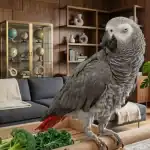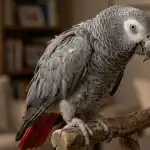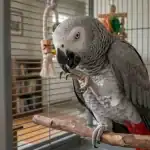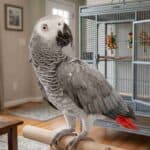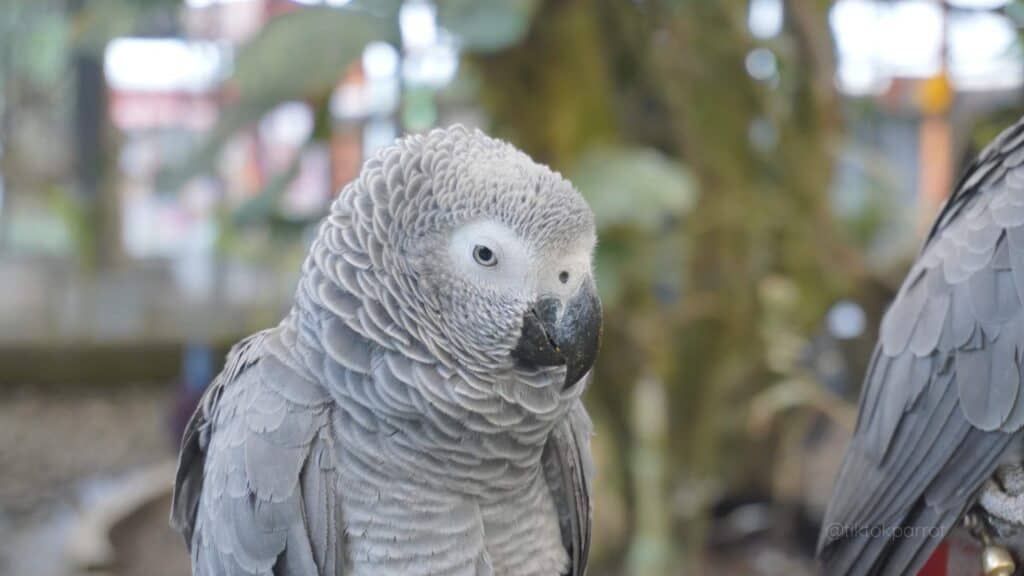
Have you ever looked at your African Grey, now well into their 20s or beyond, and wondered how this clever, feathered family member who’s been with you for decades is handling the passage of time? One day they’re mimicking the microwave beep perfectly, and the next you notice they’re a bit slower on the rope climb or their feathers aren’t quite as pristine.
Senior African Grey parrots are a testament to great care — but they do need some adjustments as they age. Whether you have a striking Congo African Grey with that vibrant red tail or a slightly smaller, often calmer Timneh Grey, birds in their 20s, 30s, and even 40s+ can live rich, engaging lives with the right support.
Table of Contents
In my 10+ years writing about these remarkable talking parrots and working with hundreds of owners, I’ve seen that proactive Senior African Grey care makes all the difference. It’s not about treating them as “old” overnight, but about subtle, thoughtful changes that honor their intelligence and sensitivity while addressing age-related shifts. That’s what we’ll dive into today.
Understanding What “Senior” Means for African Greys

African Greys have a potential lifespan of 50-70+ years in captivity with excellent care, though many pet birds don’t reach those heights due to past diet or stress issues. According to avian veterinary guidelines, Greys can be considered geriatric around 15-20+ years, when age-related conditions become more common.
Congo African Greys tend to be larger and may show more dramatic personality shifts with age, while Timneh Greys are often more adaptable and mature a bit faster, which can sometimes mean they handle senior transitions smoothly. But every bird is an individual — some 25-year-olds act like spry 10-year-olds, while others need more help earlier.
Common signs your Senior African Grey is aging:
- Reduced activity or reluctance to climb/fly
- Changes in vocalization (less talking or different voice)
- Feather changes, including plucking or poorer quality
- Weight fluctuations
- Stiffer movements or balance issues
- Increased sleep or irritability
Many owners notice these gradually. The key? Don’t panic — address them early.
Routine Veterinary Care: Your Biggest Tool for Senior African Grey Health
I always recommend semi-annual checkups for birds over 20, even if they seem fine. Senior Greys are prone to hidden issues like atherosclerosis (plaque buildup in arteries), which is especially common in African Greys over 25.
What a good avian vet visit should include:
- Full physical exam and weight monitoring
- Bloodwork (checking calcium, cholesterol, liver/kidney values)
- Fecal analysis
- Imaging if needed (X-rays for heart, bones, or air sacs)
Safety warning: Never wait for obvious symptoms. Greys are masters at hiding illness. Early detection of hypocalcemia (a big issue for this species), fatty liver, or heart conditions can add years of quality life.
Pro tip from experience: Build a relationship with an AAV (Association of Avian Veterinarians) certified vet. Bring a detailed history of diet, behavior, and weight trends.
Suggested image placement: Photo of a Senior African Grey during a calm vet exam or blood draw setup. Alt text: Senior African Grey parrot receiving a gentle veterinary checkup for healthy aging care.
Nutrition for Your Aging African Grey: Diet Matters More Than Ever
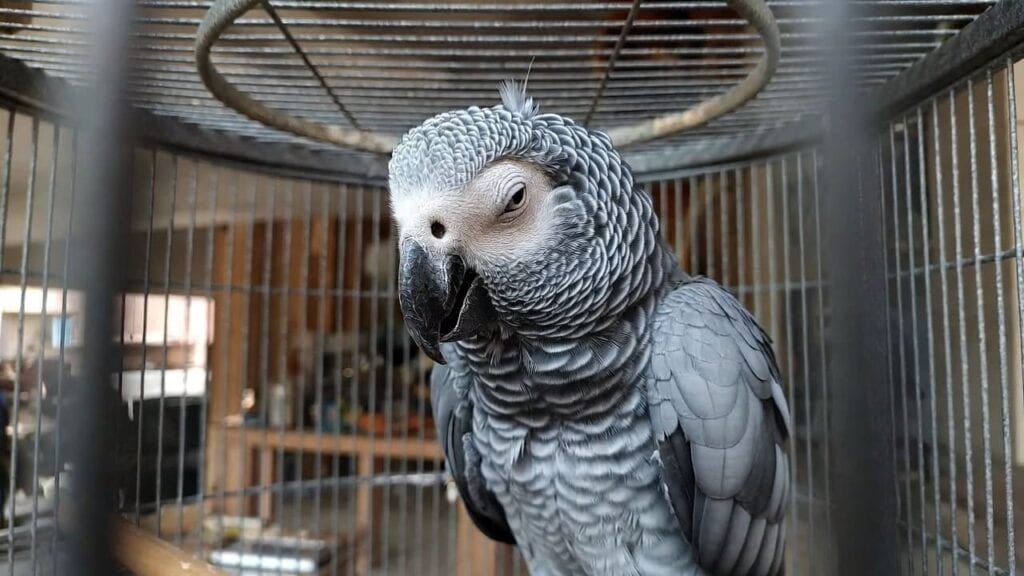
Diet is probably 80-90% of long-term success with Greys. Poor early diets catch up in seniority, contributing to obesity, atherosclerosis, and liver issues.
For Senior African Grey parrots, shift toward a lower-fat, nutrient-dense plan:
- 70-80% high-quality pellets (e.g., Harrison’s Bird Foods, Roudybush, or Lafeber — look for senior or maintenance formulas)
- 15-20% fresh vegetables (dark leafy greens, broccoli, bell peppers, carrots, squash — excellent for antioxidants and calcium)
- 5-10% fruits, limited nuts/seeds, and healthy treats
- Fresh, clean water daily
Adjustments for seniors:
- Softer foods if beak strength or chewing decreases (steamed veggies, mashed sweet potato, warm porridge mixes)
- Omega-3 rich foods (ground flax or chia, small amounts of walnuts) for joint and heart health
- Calcium sources: Cuttlebone, calcium-rich veggies, or vet-recommended supplements if bloodwork shows need (Greys are famously prone to hypocalcemia)
- Reduced high-fat items: Fewer sunflower seeds and nuts to protect the cardiovascular system
Common mistake: All-seed diets or too many table foods. These lead to vitamin A deficiency, obesity, and feather plucking.
One thing I always recommend: Weigh your bird weekly on a gram scale. Sudden loss or gain is a red flag. Many owners notice improved energy and feather condition within weeks of a proper senior diet switch.
Suggested image: Close-up of a colorful senior parrot bowl with chopped veggies, pellets, and a few nuts. Alt text: Balanced fresh diet for Senior African Grey parrot nutrition and health.
Managing Common Health Issues in Senior African Greys
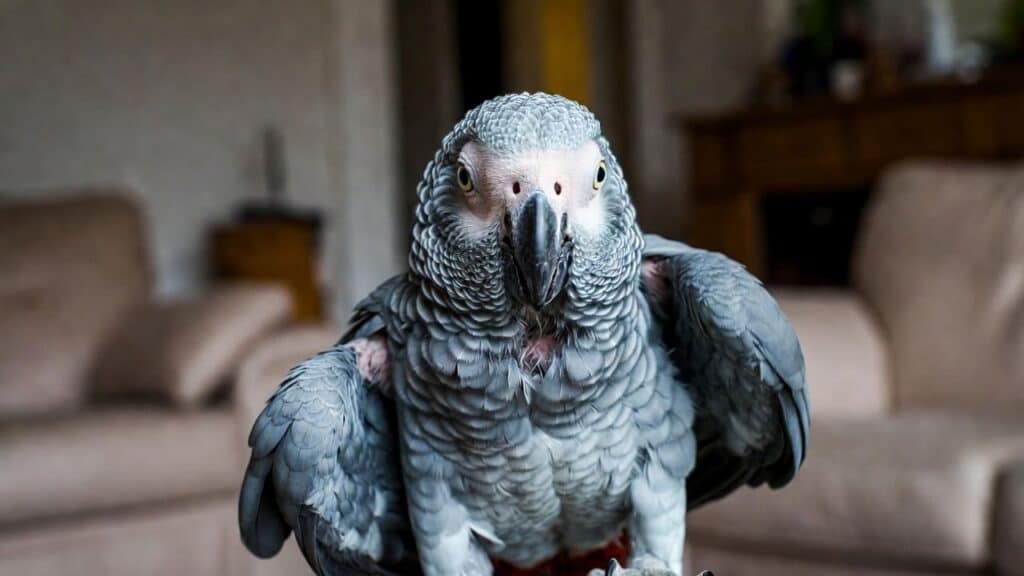
Arthritis and Mobility Challenges
Osteoarthritis is frequent in older parrots, affecting feet, legs, and sometimes wings. Birds may hesitate to perch high or play as vigorously.
Actionable tips:
- Multiple perches of varying diameters and textures (natural branches, rope, softer materials)
- Lower cage setups or ramps/steps to favorite spots
- Warmth: Maintain 70-80°F (21-27°C); seniors feel the cold more
- Gentle exercise: Encouraged flapping or short flights in a safe space
- Vet-approved pain management or anti-inflammatories if needed; some use omega-3s and turmeric (curcumin) under guidance
Feather Plucking and Skin Health
This heartbreaking behavior often worsens or starts in seniors due to pain, boredom, hormonal shifts, or nutritional gaps.
Address root causes: Rule out medical issues first, then enrich the environment. Many owners see improvement with better diet, more foraging, and consistent social time.
Other Concerns
- Cataracts or vision changes: Adapt the cage layout (consistent placement)
- Heart and liver health: Monitored via regular bloodwork
- Cognitive changes: Some birds show mild “senility” — keep routines predictable but provide mental stimulation
Warning: Self-diagnosing or using over-the-counter remedies can harm your bird. Always consult an avian vet.
Environmental Adjustments for Comfort and Safety
Your Senior African Grey’s habitat needs to evolve with them.
Cage and setup recommendations:
- Larger cage if possible, but easy access — avoid very high perches if balance is an issue
- Safe, non-toxic toys rotated regularly for mental stimulation (foraging puzzles are fantastic for talking parrots)
- Good airflow but no drafts
- Full-spectrum lighting or natural sunlight (safe, supervised) for vitamin D and mood
- Quiet sleep area: 10-12+ hours of uninterrupted darkness nightly
Foraging and enrichment: Even seniors need challenges. Hide pellets in toys or use puzzle feeders. This combats boredom and maintains dexterity.
Social needs: Greys are sensitive. Consistent, positive interaction prevents stress-related issues. But respect if they want more alone time — many seniors become a bit more independent or cranky.
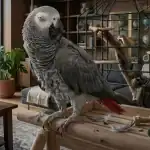
Suggested image: Cozy senior parrot setup with lower perches, soft toys, and foraging elements. Alt text: Enriched cage environment tailored for Senior African Grey comfort and stimulation.
Behavior, Training, and Keeping That Famous Grey Personality Alive
Your talking parrot might slow down verbally or become more selective with words, but many stay chatty into old age. Use positive reinforcement — short sessions work best for seniors.
Tips for bonding:
- Respect their pace; forced handling can backfire
- Continue teaching new tricks or words gently
- Watch for hormonal behavior flares, even in seniors
In my experience, owners who maintain routines while adapting to new limitations report the happiest birds. One long-time client’s 28-year-old Congo started “singing” old songs again after we optimized his diet and added daily misting sessions.
Daily and Weekly Care Routines for Senior African Greys
- Daily: Fresh food/water, interaction time, visual health check, safe out-of-cage time
- Weekly: Bathing/misting (helps with powder down and skin), nail/beak checks, cage deep clean (less frequent deep cleans if bird is sensitive)
- Monthly: Weigh-in, toy rotation, behavior journal
Track everything — a simple notebook or app helps spot patterns early.
Looking Ahead: Quality of Life for Your Senior African Grey
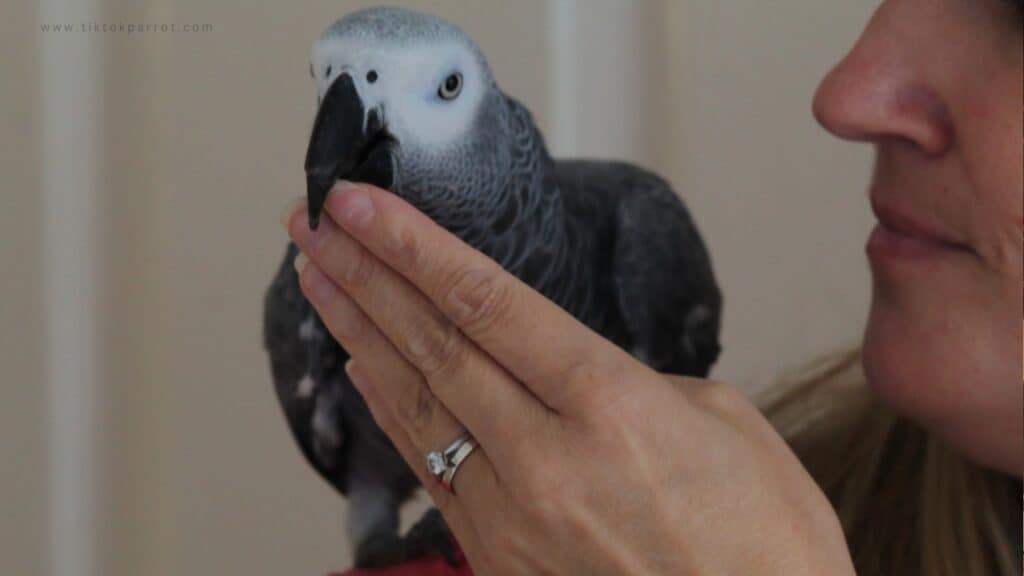
Caring for a Senior African Grey is a privilege. These birds have shared your life, your laughter, and probably your secrets (in perfect mimicry). With attention to diet, vet care, environment, and emotional needs, many enjoy active, joyful years well past 30 or 40.
The most important thing? Observe closely and respond with love and knowledge. Small changes today prevent big problems tomorrow.
What about your experienced Grey? Has age brought any surprises or special joys? Share in the comments below — I read every one and often learn from your stories.
Consider signing up for my newsletter for more Grey-specific tips, seasonal care guides, and product recommendations (no spam, just helpful info). And check out my posts on African Grey diet tweaks or preventing feather plucking for more depth.
Here’s to many more years of conversation with your brilliant Senior African Grey. They’ve earned the best care we can give.
If you liked this blog, please share it with your family and friends who might also find it helpful. If you love African Greys, join our community of Grey owners! You can meet other owners, share tips and learn from each other.
Stay safe and much love!


Hey there! 🐾 Looking for top-notch pet supplies or anything on Amazon?
Support our site by shopping on Amazon through our this referral link, it will not cost you extra!
Your purchases on Amazon can help us continue providing valuable content.
Thank you for your support! 🛍️