Did you know that your beloved African Grey parrot could live to celebrate their 60th birthday with you? These intelligent companions are among the longest-living pet birds, but as they age, their needs change dramatically.
If you’ve noticed your once-energetic grey moving a bit slower, plucking more feathers, or showing less interest in their favorite toys, you’re witnessing the natural aging process. Understanding how to care for senior African Grey parrots isn’t just about extending their lifespan—it’s about ensuring those golden years are filled with comfort, dignity, and the same joy they’ve brought to your life.
In this comprehensive guide, we’ll explore everything you need to know about African Grey parrot health as they age, from recognizing the signs of aging to adapting their environment, diet, and medical care.
Expert guide to caring for senior African Grey parrots. Learn diet, health, behavior changes & tips to ensure your aging grey’s golden years are comfortable.
Table of Contents
Understanding the Lifespan of African Grey Parrots
How Long Do African Grey Parrots Live?
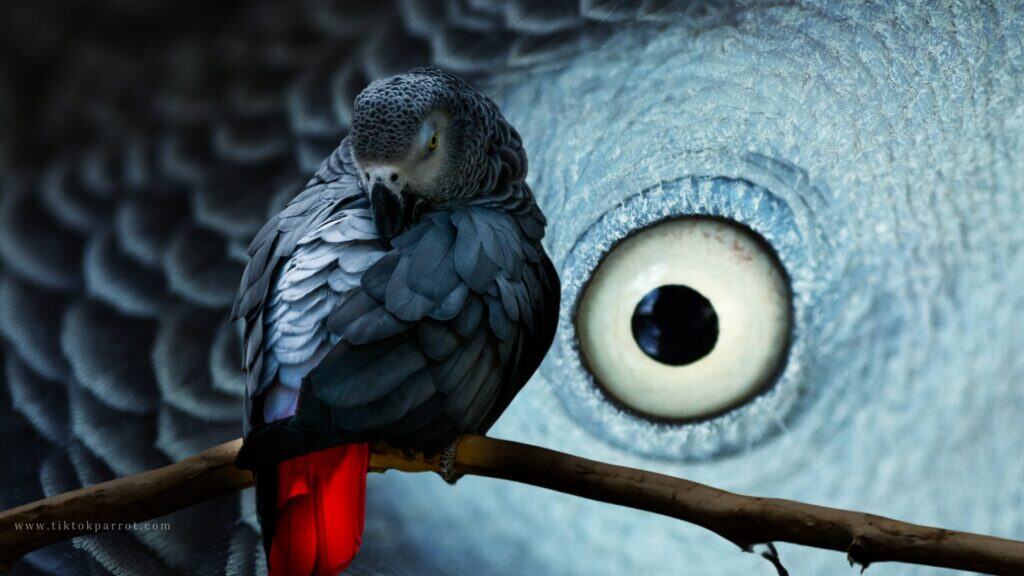
African Grey parrots are remarkable for their longevity. In captivity, with proper care, these birds typically live between 40 to 60 years, with some exceptional individuals reaching 70 years or more. Congo African Greys and Timneh African Greys have similar lifespans, though individual health, genetics, and care quality play significant roles.
Your grey is considered a senior bird once they reach approximately 20-25 years of age, though many remain active and healthy well into their 40s. Understanding where your bird falls in their life stage helps you anticipate and address age-related changes before they become serious problems.
Factors Affecting Longevity
Several factors influence how long your African Grey will live:
- Quality of diet and nutrition throughout their life
- Genetic predisposition and breeding quality
- Environmental enrichment and mental stimulation
- Regular veterinary care and disease prevention
- Stress levels and living conditions
- Exercise and physical activity opportunities
Recognizing Signs of Aging in African Grey Parrots
Physical Changes in Senior Greys
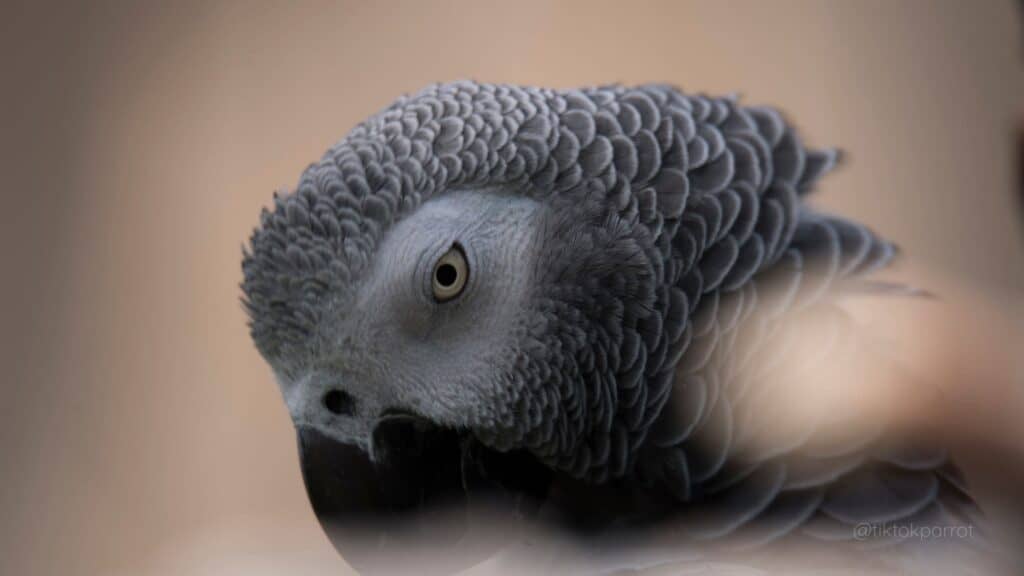
As African Greys age, you’ll notice several physical transformations. Their once-bright eyes may develop a slight cloudiness, and cataracts can form. The skin around their feet and legs often becomes drier and may show more pronounced scales. Feather quality sometimes deteriorates, with older birds producing duller plumage or experiencing more frequent feather loss.
Beak and nail growth patterns change as well. Senior greys may develop overgrown beaks or nails more quickly than younger birds, requiring more frequent grooming. Weight fluctuations become common, with some birds losing muscle mass while others become overweight due to decreased activity.
Behavioral and Cognitive Changes
African Grey parrot behavior shifts noticeably with age. Your senior bird might sleep more, showing less interest in play or social interaction. They may become more irritable or, conversely, more clingy and dependent on their favorite humans.
Cognitive decline can occur in aging parrots, similar to dementia in humans. Warning signs include confusion, disorientation, forgetting learned behaviors or words, and changes in vocalization patterns. Some senior greys become quieter, while others may vocalize more frequently, especially at night.
Adapting the Environment for Senior African Greys
Cage Modifications for Elderly Birds
Your senior grey’s cage needs thoughtful modifications to accommodate reduced mobility and changing needs. Lower perches to prevent injury from falls, as older birds may have weaker grip strength or balance issues. Add multiple perches at varying heights, creating an easy pathway so your bird doesn’t need to make large jumps or flights.
Consider installing platform perches or flat resting areas where your grey can comfortably sit without gripping. Heated perches can provide relief for birds experiencing arthritis or joint stiffness. Ensure parrot accessories and toys are easily accessible and don’t require strenuous effort to use.
Temperature and Lighting Considerations
Senior African Greys are more sensitive to temperature fluctuations. Maintain a consistent room temperature between 65-80°F (18-27°C), avoiding drafts and sudden temperature changes. Older birds may appreciate slightly warmer temperatures, especially if they have arthritis.
Lighting becomes crucial for aging birds. Provide 10-12 hours of quality sleep in complete darkness, as disrupted sleep patterns can worsen cognitive decline. During the day, ensure adequate natural or full-spectrum lighting to support vitamin D synthesis and maintain circadian rhythms.
Nutritional Needs of Aging African Grey Parrots
Dietary Adjustments for Senior Birds
The diet requirements for senior African Greys differ from younger birds. Older parrots often need fewer calories due to reduced activity but require higher-quality nutrition. Focus on easily digestible foods rich in antioxidants, omega-3 fatty acids, and essential vitamins.
Offer more soft foods if your bird develops beak problems or has difficulty cracking hard nuts and seeds. Cooked sweet potatoes, quinoa, lentils, and soft-cooked vegetables provide excellent nutrition without requiring excessive chewing effort. Fresh fruits like berries are packed with antioxidants that support cognitive function and immune health.
Supplements and Special Dietary Considerations
Senior greys may benefit from targeted supplementation under veterinary guidance. Calcium and vitamin D3 support bone health, particularly important for birds showing signs of osteoporosis. Glucosamine and chondroitin supplements can help maintain joint health in arthritic birds.
Probiotics support digestive health, which often declines with age. Omega-3 fatty acids from sources like flaxseed or fish oil promote cardiovascular health and reduce inflammation. Always consult an avian veterinarian before adding supplements, as over-supplementation can cause serious health issues.
Common Health Issues in Senior African Grey Parrots
Arthritis and Joint Problems
Arthritis is perhaps the most common age-related condition affecting senior African Greys. Signs include difficulty perching, reluctance to move, favoring one leg, or visible swelling in joints. Your bird may spend more time sitting on the cage floor or refuse to climb.
Treatment involves environmental modifications, pain management prescribed by your vet, and gentle exercise. Anti-inflammatory medications can provide relief, while physical therapy exercises help maintain mobility. Warm baths or misting can ease stiff joints.
Heart and Respiratory Conditions
Cardiovascular disease affects many elderly parrots. Watch for labored breathing, tail bobbing while breathing, exercise intolerance, or sudden weakness. These diseases and illnesses in African Greys require immediate veterinary attention.
Respiratory infections become more dangerous in senior birds due to weakened immune systems. Maintain excellent air quality, avoid aerosol sprays and smoke, and monitor breathing patterns closely. Regular veterinary check-ups can catch problems early.
Kidney and Liver Disease
Chronic kidney and liver disease develop gradually in aging parrots. Symptoms include increased thirst and urination, lethargy, weight loss, and changes in droppings. Blood work during annual check-ups can detect these conditions before obvious symptoms appear.
Management involves dietary modifications, reducing protein for kidney issues, and providing medications as prescribed. Some birds require subcutaneous fluid therapy to support kidney function.
Veterinary Care for Senior African Greys
Increasing Examination Frequency
While younger birds typically need annual check-ups, senior African Greys benefit from veterinary examinations every 6 months. These visits allow early detection of age-related diseases and monitoring of existing conditions. Your avian veterinarian can track weight trends, assess mobility, and adjust treatments as needed.
Baseline blood work established in early senior years provides valuable comparison data as your bird ages. Regular testing helps identify gradual changes in organ function before they become life-threatening.
Preventive Care and Early Intervention
Preventive care becomes even more critical for senior greys. Maintain vaccination schedules if applicable in your area, continue parasite prevention, and stay vigilant about environmental hazards. Early intervention when you notice changes—no matter how subtle—can mean the difference between manageable conditions and serious illness.
Mental Stimulation and Enrichment for Elderly Greys
Adapting Activities for Reduced Mobility
Just because your grey moves more slowly doesn’t mean their brilliant mind has dimmed. Continue providing mental stimulation through appropriate training exercises and puzzle toys adapted to their abilities. Choose toys that don’t require extensive physical manipulation.
Foraging activities remain important but should be easier to access. Place treats in shallow dishes rather than requiring extensive digging or manipulation. Rotate toys regularly to maintain interest without causing stress from too much change at once.
Social Interaction and Bonding
Senior African Greys need consistent social interaction, possibly more than when they were younger. Spend quality time talking to your bird, playing gentle games, or simply being present in the same room. Many elderly greys enjoy being near their family while resting, finding comfort in companionship.
If you’re part of an online community like the African Grey Parrots forum, sharing experiences and learning from other senior grey owners can provide valuable insights and emotional support.
End-of-Life Care Considerations
Recognizing When Quality of Life Declines
One of the most difficult aspects of caring for senior parrots is recognizing when their quality of life has seriously diminished. Signs that your grey may be suffering include chronic pain unresponsive to medication, inability to eat or drink independently, constant stress or fear, complete loss of interest in surroundings, or severe respiratory distress.
Consult with your avian veterinarian about quality of life assessments. They can help you make informed, compassionate decisions about your bird’s care, including discussing palliative care options or humane euthanasia when suffering cannot be alleviated.
Making Your Grey Comfortable
In their final months or weeks, focus entirely on comfort. Provide favorite foods, maintain familiar routines, ensure they’re warm and pain-free, and spend quiet time together. Some birds enjoy gentle massage or simply being held. Follow their cues about what brings them comfort.
Celebrating the Golden Years
Caring for a senior African Grey parrot is both a privilege and a responsibility. These remarkable birds have given decades of companionship, intelligence, and love. By understanding their changing needs, adapting their environment, providing appropriate nutrition and medical care, and maintaining mental stimulation, you can ensure their golden years are truly golden. Your senior grey has earned a comfortable, dignified retirement filled with the same devotion they’ve shown you throughout their remarkable life. Every day with your aging companion is a gift—cherish it, adapt to their needs, and continue the beautiful journey you’ve shared together.
Frequently Asked Questions (FAQs)
Q1: At what age is an African Grey considered a senior parrot?
African Grey parrots are generally considered senior or geriatric birds when they reach 20-25 years of age, though many remain healthy and active well into their 30s and 40s. Individual birds age differently based on genetics, diet, and care throughout their lives.
Q2: How can I tell if my senior African Grey is in pain?
Signs of pain in elderly greys include decreased activity, reluctance to perch or move, favoring one leg, fluffed feathers, changes in breathing patterns, aggression when touched in certain areas, loss of appetite, and vocal changes. Any behavioral change warrants veterinary evaluation.
Q3: Should I change my senior African Grey’s diet significantly?
Yes, senior greys often need dietary adjustments including more easily digestible foods, fewer calories if activity decreases, increased antioxidants, and possibly supplements for joint health. Consult an avian veterinarian for specific recommendations based on your bird’s health status.
Q4: Can African Grey parrots develop dementia or cognitive decline?
Yes, cognitive decline similar to dementia can occur in aging African Greys. Signs include disorientation, confusion, forgetting learned words or behaviors, disrupted sleep patterns, and personality changes. Mental stimulation and consistent routines can help slow progression.
Q5: How often should senior African Greys visit the veterinarian?
Senior African Greys should have veterinary check-ups every 6 months rather than annually. More frequent visits allow early detection of age-related diseases and monitoring of chronic conditions, significantly improving outcomes.
Q6: What are the most common health problems in elderly African Grey parrots?
Common age-related health issues include arthritis, heart disease, kidney disease, liver disease, cataracts, respiratory problems, feather disorders, and tumors. Regular veterinary care helps catch these conditions early when they’re most treatable.
Q7: Do senior African Greys need different cage setups than younger birds?
Yes, senior greys benefit from lower perches to prevent falls, platform perches for easier resting, heated perches for arthritis relief, easier access to food and water, and reduced cage height to minimize climbing requirements.
Q8: How can I help my arthritic African Grey parrot?
Help arthritic greys with environmental modifications (lower perches, ramps), veterinary-prescribed pain medications, warm baths for stiffness, gentle exercise, supplements like glucosamine under vet guidance, and easily accessible food and water.
Q9: Is it normal for senior African Greys to sleep more?
Yes, increased sleeping is normal in elderly African Greys. However, excessive lethargy combined with other symptoms like appetite loss or breathing changes requires veterinary attention, as it may indicate illness rather than normal aging.
Q10: Can I still train and teach my senior African Grey new things?
Absolutely! Senior African Greys remain intelligent and capable of learning, though they may progress more slowly. Gentle, positive reinforcement training provides valuable mental stimulation and can actually help maintain cognitive function.
Q11: What supplements are beneficial for aging African Grey parrots?
Beneficial supplements for senior greys may include calcium with vitamin D3 for bone health, glucosamine for joints, omega-3 fatty acids for heart and brain health, and probiotics for digestion. Always consult an avian veterinarian before supplementing.
Q12: How do I know when it’s time to consider euthanasia for my senior African Grey?
Consider quality of life factors including unmanageable pain, inability to eat or drink, severe respiratory distress, complete loss of interest in life, or constant fear and stress. An avian veterinarian can help assess quality of life objectively and discuss options compassionately.
If this blog post has helped you, please share it with your family and friends who might also find it helpful. If you love African Greys, join our community of Grey owners! You can meet other owners, share tips and learn from each other.
Stay safe and much love!


Hey there! 🐾 Looking for top-notch pet supplies or anything on Amazon?
Support our site by shopping on Amazon through our this referral link, it will not cost you extra!
Your purchases on Amazon can help us continue providing valuable content.
Thank you for your support! 🛍️