A bird’s respiratory system is remarkably efficient, but also remarkably delicate, and that combination makes bacterial respiratory infections one of the more urgent health concerns African Grey owners need to understand.
Parrots are known for masking illness until a condition is fairly advanced, which means a Grey that suddenly seems “a bit off” may already be dealing with a real infection. Recognizing the signs early, and understanding how these infections are diagnosed and treated, can make a critical difference in outcome.
This guide covers the most common bacterial culprits behind respiratory illness in African Greys, the symptoms to watch for, and what a typical veterinary treatment plan involves.
Table of Contents
Why Bacterial Respiratory Infections Happen
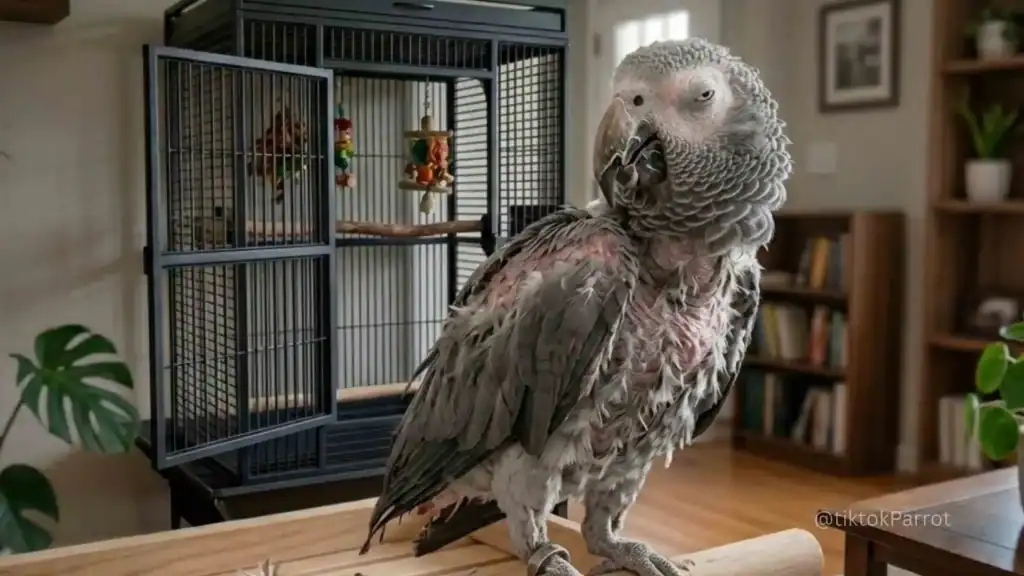
Bacterial infections generally take hold when normal bacterial flora become imbalanced, when stress weakens immune defenses, or when a bird is exposed to pathogens through contaminated food, water, surfaces, or airborne particles. Because birds share close living spaces with humans and often other pets, respiratory infections can also be introduced through household contamination or contact with new or sick birds.
Several factors commonly increase risk:
- Chronic stress or sudden environmental changes
- Poor cage hygiene or infrequent cleaning
- Nutritional deficiencies that weaken immune function
- Exposure to smoke, aerosols, or other airborne irritants
- Contact with newly introduced or unquarantined birds
- Inappropriate or inconsistent prior antibiotic use, which can disrupt normal bacterial balance
Common Bacteria Behind Respiratory Illness
Several types of bacteria are frequently implicated in respiratory disease in pet parrots, including African Greys:
- E. coli, one of the most commonly identified bacteria in avian infections generally, capable of causing both respiratory and systemic illness
- Pseudomonas species, particularly Pseudomonas aeruginosa, which is notorious among avian vets for being resistant to many standard antibiotics and can cause serious upper respiratory infections
- Klebsiella, another gram-negative bacterium associated with respiratory and systemic disease in birds
- Mycoplasma, linked to chronic respiratory disease in some cases
- Chlamydia psittaci, which causes chlamydiosis and frequently presents with respiratory symptoms alongside other systemic signs (a condition significant enough that it deserves its own dedicated discussion, given its zoonotic risk to humans)
Because different bacteria respond to different antibiotics, and because some, like Pseudomonas, are known for significant antibiotic resistance, proper identification of the specific pathogen is essential for effective treatment rather than guessing based on symptoms alone.
Symptoms of Bacterial Respiratory Infection in African Greys
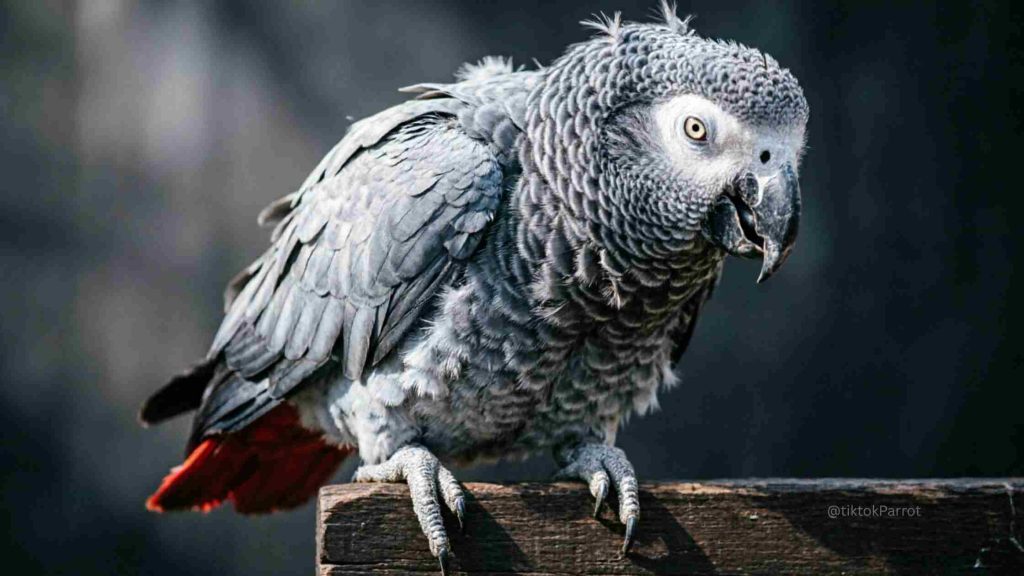
African Greys are especially good at hiding illness, so even subtle changes deserve attention. Symptoms can range from mild to severe, and some birds decline quickly once symptoms become obvious.
Early or subtle signs:
- Quietness or reduced vocalization
- Fluffed-up appearance
- Sleepiness or reduced interest in food and interaction
- Mild nasal discharge
More advanced signs:
- Labored or open-mouth breathing
- Wheezing or audible respiratory sounds
- Tail bobbing with each breath
- Stretching the neck out or holding wings away from the body
- Swelling around the eyes or sinuses
- Complete or partial nostril obstruction
- Sitting low on the perch or reluctance to move
- Loss of appetite
Any bird showing labored breathing, tail bobbing, or open-mouth breathing needs urgent veterinary attention, since respiratory distress in parrots can progress to a life-threatening emergency quickly.
How Vets Diagnose Bacterial Respiratory Infections
Because respiratory symptoms in African Greys can stem from bacterial, fungal, viral, or even nutritional causes, a proper diagnostic workup is important rather than assuming a bacterial cause outright. A typical evaluation includes:
- Physical examination, checking the nares, sinuses, throat, and overall respiratory effort.
- Culture and sensitivity testing, identifying the specific bacteria involved and which antibiotics it’s likely to respond to.
- Bloodwork, which can reveal signs of infection or inflammation.
- Imaging, such as X-rays, to assess the lungs, air sacs, and sinuses for signs of infection or fluid buildup.
- PCR testing, particularly useful for ruling in or out specific pathogens like Chlamydia psittaci.
Culture and sensitivity testing is particularly important given how resistant certain bacteria, especially Pseudomonas, can be to commonly used antibiotics. Treating based on a guess rather than a confirmed pathogen risks prolonging illness or allowing resistant bacteria to become entrenched.
Treatment for Bacterial Respiratory Infections
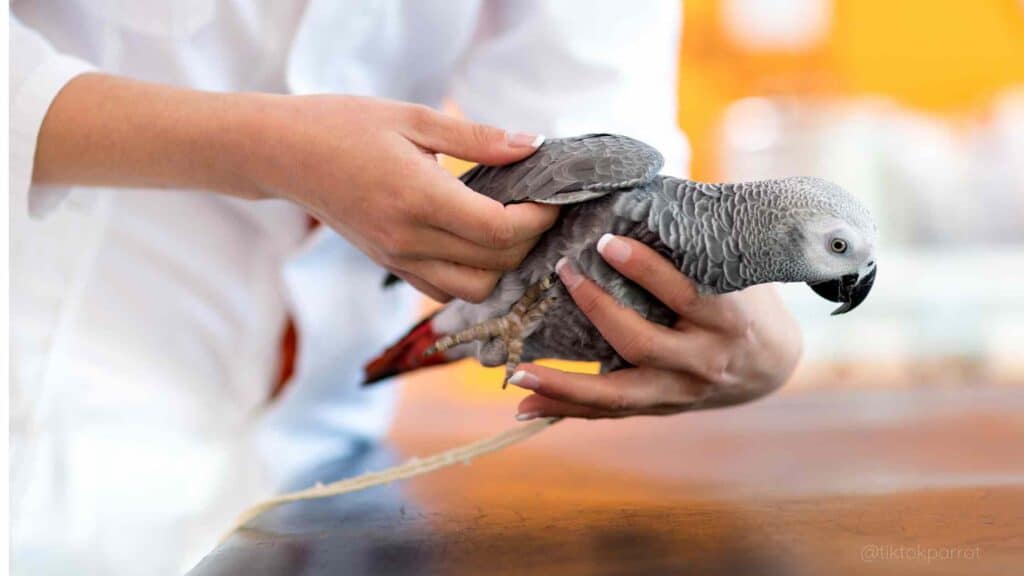
Once a specific bacterial cause is identified, treatment typically includes:
- Targeted antibiotics, chosen based on culture and sensitivity results, administered orally, by injection, or occasionally through nebulization depending on severity and location of the infection.
- Injectable antibiotics for resistant cases. Certain bacteria, like some strains of Pseudomonas, may only respond to injectable treatment rather than oral or water-based medication.
- Environmental cleaning. A thorough cleaning of the cage, perches, food and water dishes, and surrounding area helps prevent reinfection and reduces ongoing bacterial exposure.
- Stress reduction. Since stress can suppress immune function, minimizing environmental disruption during recovery supports healing.
- Supportive care, including fluid therapy, nutritional support, or supplemental heat for birds that are significantly unwell.
- Follow-up testing, to confirm the infection has fully cleared rather than assuming symptom improvement alone means resolution.
Treatment length varies significantly depending on the specific bacteria and severity of infection, and some resistant cases may require an extended or combination antibiotic approach under close veterinary supervision.
Preventing Bacterial Respiratory Infections
- Maintain consistent cage hygiene, including regular cleaning of food and water dishes
- Quarantine new birds before introducing them to existing pets
- Minimize exposure to smoke, aerosol sprays, and other airborne irritants
- Provide a balanced, nutritionally complete diet to support immune function
- Reduce chronic stress through a stable routine and appropriate environmental enrichment
- Avoid unnecessary or inconsistent antibiotic use, which can disrupt healthy bacterial balance
- Schedule regular veterinary wellness checks to catch subtle changes early
Common Mistakes Owners Make
- Waiting too long to seek care. Because African Greys mask illness so well, by the time obvious symptoms appear, the infection may already be significant.
- Assuming all bacterial infections respond to the same antibiotic. Different bacteria require different treatments, and resistant strains like Pseudomonas complicate this further.
- Stopping antibiotics early once the bird seems to feel better, rather than completing the full prescribed course.
- Skipping culture and sensitivity testing. Treating blindly increases the risk of ineffective treatment and antibiotic resistance.
- Neglecting cage hygiene, which allows bacteria to persist in the environment even after treatment.
Frequently Asked Questions
What bacteria commonly cause respiratory infections in African Grey parrots?
Common culprits include E. coli, Pseudomonas, Klebsiella, Mycoplasma, and Chlamydia psittaci, each of which may require different diagnostic and treatment approaches.
What are the signs of a respiratory infection in an African Grey?
Signs range from subtle changes like quietness and fluffed feathers to more serious symptoms like labored breathing, wheezing, and tail bobbing, which require urgent veterinary care.
Why is Pseudomonas infection considered particularly serious in parrots?
Pseudomonas is known for significant resistance to many common antibiotics, often requiring injectable treatment and careful culture-based antibiotic selection.
How are bacterial respiratory infections diagnosed in parrots?
Diagnosis typically involves a physical exam, culture and sensitivity testing, bloodwork, and imaging to identify the specific bacteria and assess the extent of infection.
Can bacterial respiratory infections in parrots spread to humans?
Some, like Chlamydia psittaci, are zoonotic and can spread to humans, which makes prompt diagnosis and treatment important for the whole household, not just the bird.
How long does treatment take for a bacterial respiratory infection?
Treatment length varies based on the bacteria involved and severity of infection, and completing the full prescribed antibiotic course is essential even if symptoms improve early.
When is a respiratory infection in an African Grey an emergency?
Labored breathing, open-mouth breathing, tail bobbing, or a bird sitting low and reluctant to move should be treated as an emergency requiring immediate veterinary attention.
Conclusion
Bacterial respiratory infections can escalate quickly in African Greys, given how effectively these birds hide illness until a condition is well established. Recognizing even subtle changes in breathing, energy, or behavior, paired with prompt veterinary evaluation and proper culture-guided treatment, gives affected birds the best possible chance at a full recovery.
Consistent hygiene, stress management, and good nutrition remain the most reliable tools owners have for keeping these infections from taking hold in the first place.
If this blog post has helped you, please share it with your family and friends who might also find it helpful. If you love African Greys, join our community of Grey owners! You can meet other owners, share tips and learn from each other.
Stay safe and much love!


Hey there! 🐾 Looking for top-notch pet supplies or anything on Amazon?
Support our site by shopping on Amazon through our this referral link, it will not cost you extra!
Your purchases on Amazon can help us continue providing valuable content.
Thank you for your support! 🛍️