African Grey Parrots as Mental Health Therapists: The Feathered Companions Healing Human Hearts
Imagine coming home after a stressful day, your mind racing with anxiety and worry, only to be greeted by an intelligent feathered friend who not only recognizes your emotional state but actively works to comfort you. African Grey Parrots as therapists are becoming increasingly recognized in the mental health community, offering a unique form of companionship that goes far beyond what traditional pets provide.
These extraordinary birds, with their exceptional cognitive abilities and emotional intelligence, are proving to be powerful allies in the battle against depression, anxiety, loneliness, and various mental health challenges.
Table of Contents
The Science Behind African Grey Parrots and Mental Health Benefits
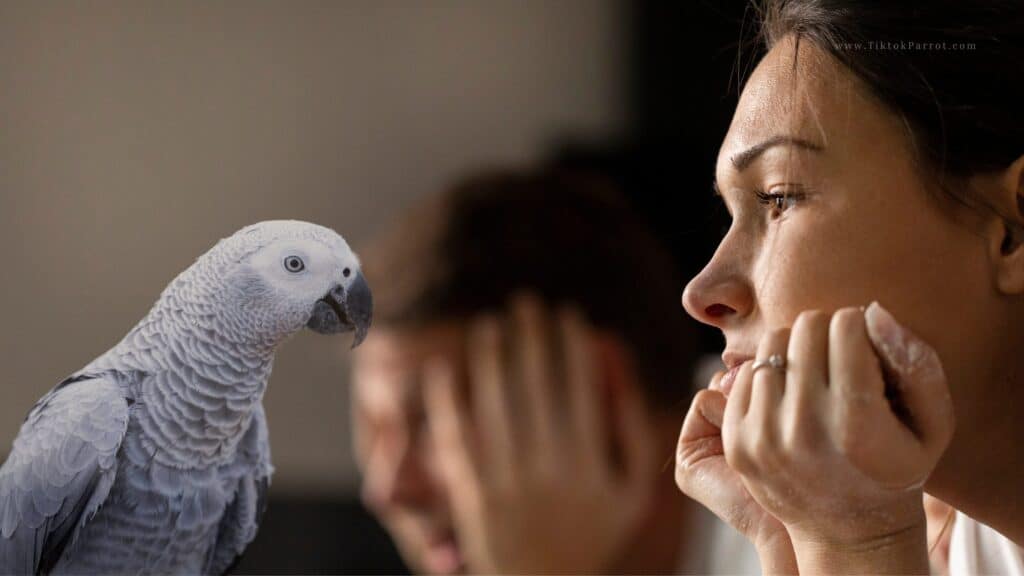
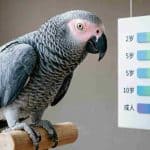
African Grey Parrots possess cognitive abilities comparable to a 5-year-old child, making them one of the most intelligent bird species on Earth. Their capacity for emotional bonding, combined with their remarkable ability to recognize human emotions through body language and vocal cues, positions them as exceptional emotional support animals.
Research has shown that interacting with pets, particularly intelligent ones like African Greys, triggers the release of oxytocin—the “love hormone”—in the human brain. This neurochemical response reduces stress levels, lowers blood pressure, and creates feelings of calm and contentment. Unlike many other pets, African Greys can engage in two-way communication, speaking words, mimicking sounds, and even understanding context, which creates a deeper level of interaction and emotional connection.
How African Grey Parrots Function as Natural Therapists
Emotional Recognition and Response
African Greys are exceptionally attuned to their human companions’ emotional states. They can detect subtle changes in voice tone, facial expressions, and energy levels. Many parrot owners report that their African Greys become noticeably quieter and more gentle when they’re feeling sad or anxious, often approaching their owners for physical contact or offering soft vocalizations.
This emotional intelligence isn’t coincidental. In the wild, African Greys live in complex social structures where reading the emotions and intentions of flock members is crucial for survival. When bonded with a human, they transfer these same social skills to their relationship with you.
Combating Loneliness and Social Isolation
Loneliness has been labeled a modern epidemic, with serious implications for both mental and physical health. African Grey Parrots provide constant companionship that feels genuinely interactive rather than one-sided. Their ability to engage in conversation—even if they don’t fully understand every word they say—creates a sense of social connection that can be profoundly therapeutic for people living alone, elderly individuals, or those recovering from trauma.
The African Grey Parrots community is filled with stories of people who credit their birds with helping them through some of the darkest periods of their lives, providing a reason to get out of bed each morning and maintain daily routines.
Establishing Routine and Purpose
Caring for an African Grey Parrot requires commitment and consistency—qualities that can be therapeutic for people struggling with depression or motivation issues. These birds thrive on routine, needing regular feeding times, sleep schedules, social interaction, and mental stimulation through engaging toys and enrichment activities.
This structured care routine provides purpose and responsibility, helping individuals establish healthy patterns in their own lives. The act of nurturing another living being can boost self-esteem and create a sense of accomplishment that’s particularly valuable for those dealing with mental health challenges.
African Grey Parrots and Specific Mental Health Conditions
Depression and Mood Disorders
People living with depression often struggle with feelings of worthlessness and lack of motivation. African Grey Parrots can help combat these feelings in several ways. Their dependence on their caregiver creates a sense of being needed, while their playful antics and vocalizations can trigger genuine laughter and joy even on difficult days.
The unconditional acceptance that African Greys offer—they don’t judge your appearance, productivity, or perceived failings—provides a safe emotional space for people struggling with negative self-talk and low self-worth.
Anxiety and Stress Management
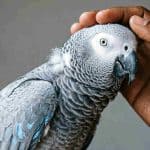
The calming presence of an African Grey Parrot can significantly reduce anxiety levels. The repetitive, soothing nature of petting their soft feathers activates the parasympathetic nervous system, promoting relaxation. Additionally, focusing attention on your bird’s needs and behaviors serves as a form of mindfulness, grounding anxious individuals in the present moment rather than ruminating on worries.
Many anxiety sufferers find comfort in their parrot’s predictable routines and the meditative quality of bird care activities like preparing fresh food, cleaning, or engaging in training sessions.
PTSD and Trauma Recovery
For individuals recovering from trauma or living with PTSD, African Grey Parrots can provide a non-judgmental presence that helps rebuild trust and emotional connection. Their sensitivity to emotional states means they often respond to distress with comforting behaviors, and their need for gentle, patient interaction can help trauma survivors practice healthy relationship dynamics in a safe context.
The Therapeutic Benefits of African Grey Communication
Perhaps the most unique therapeutic aspect of African Grey Parrots is their ability to communicate verbally. While dogs and cats offer wonderful companionship, they cannot engage in the back-and-forth vocal interaction that African Greys excel at. Hearing a beloved bird say “I love you,” ask “How are you?” or simply repeat phrases that bring joy can have profound emotional impact.
This verbal interaction reduces feelings of isolation and creates moments of genuine connection. Some people find that talking to their African Grey helps them process emotions and thoughts, similar to journaling or talking to a therapist, but with the added benefit of vocal responses that feel like genuine conversation.
Responsibilities and Considerations for Mental Health
While African Grey Parrots offer tremendous therapeutic benefits, it’s important to understand that they are not a replacement for professional mental health treatment. They should be viewed as complementary support rather than primary intervention.
The Commitment Factor
African Greys can live 50-60 years or more, making them a long-term commitment. They require significant time, attention, and financial resources for proper care, including a nutritious balanced diet of pellets, fresh fruits, vegetables, and occasional treats.
Potential owners dealing with mental health challenges should honestly assess whether they can consistently meet these needs even during difficult periods. Unlike some therapy options, you cannot take a break from caring for your parrot without arranging alternative care.
Health Monitoring and Veterinary Care
African Greys can experience various health issues and diseases that require vigilant monitoring and regular veterinary care. For some people with mental health challenges, the stress of managing a sick pet could be overwhelming. It’s essential to have a plan for emergency care and routine health maintenance.
Creating a Therapeutic Environment with Your African Grey
To maximize the mental health benefits of African Grey companionship, create an environment that promotes positive interaction. This includes providing adequate space, stimulating toys, opportunities for flight or exercise, and regular social interaction. The more enriched and happy your parrot’s environment, the more positive energy they’ll bring to your relationship.
Spend quality time each day engaging with your bird through training, play, conversation, or simply being present together. These consistent positive interactions build the strong bond that makes the therapeutic relationship possible.
Real Stories of Healing and Hope
Across online communities and forums dedicated to parrot ownership, countless individuals share stories of how their African Greys have transformed their mental health journeys. From veterans with PTSD finding peace through bird care routines, to individuals with severe depression discovering renewed purpose, to elderly people combating loneliness with intelligent feathered companions—the testimonials are both moving and powerful.
These aren’t just anecdotal stories; they represent real therapeutic relationships that have improved quality of life, reduced medication dependency in some cases, and provided motivation to continue fighting through mental health challenges.
Conclusion: The Future of Avian-Assisted Therapy
As awareness grows about the unique therapeutic benefits of African Grey Parrots, we may see increased integration of these intelligent birds into formal animal-assisted therapy programs. Their exceptional cognitive abilities, emotional intelligence, communication skills, and longevity make them uniquely suited for supporting humans through mental health challenges.
Whether you’re considering an African Grey as an emotional support animal or you’re simply curious about the intersection of avian companionship and mental wellness, these remarkable birds offer a form of therapy that’s as ancient as the human-animal bond itself, yet perfectly suited for addressing the mental health needs of our modern world.
If you’re thinking about welcoming an African Grey into your life for therapeutic purposes, do thorough research, connect with experienced owners on the African Grey Parrots forum, and consult with both mental health professionals and avian veterinarians to ensure it’s the right decision for your unique situation. When the match is right, the healing that can occur is truly extraordinary.
Frequently Asked Questions (FAQs)
Can African Grey Parrots actually help with depression and anxiety?
Yes, African Grey Parrots can significantly help with depression and anxiety through companionship, routine establishment, unconditional acceptance, and their ability to provide emotional support. Their intelligence and interactive nature create genuine connections that reduce feelings of loneliness and provide purpose, though they should complement rather than replace professional mental health treatment.
Are African Grey Parrots officially recognized as emotional support animals?
African Grey Parrots can be designated as emotional support animals (ESAs) with proper documentation from a licensed mental health professional. While they don’t have the same public access rights as service animals, ESAs may be allowed in housing situations that typically don’t permit pets, though airline policies have become more restrictive in recent years.
How do African Grey Parrots sense human emotions?
African Grey Parrots sense human emotions through multiple channels including vocal tone analysis, facial expression reading, body language observation, and energy level detection. Their high emotional intelligence, developed through evolution in complex social flocks, allows them to pick up on subtle cues that indicate stress, sadness, happiness, or anxiety in their human companions.
What mental health conditions can African Grey Parrots help with?
African Grey Parrots can provide therapeutic support for various mental health conditions including depression, anxiety disorders, PTSD, social anxiety, loneliness, grief, and stress-related conditions. They offer companionship, routine, purpose, and emotional connection that can complement traditional mental health treatments and improve overall quality of life.
Do African Grey Parrots require special training to be therapy birds?
While African Grey Parrots don’t require formal certification to provide emotional support, basic training in socialization, behavior management, and communication can enhance their therapeutic value. Well-socialized birds who are comfortable with handling, have stable temperaments, and can engage positively with humans make the best companions for mental health support.
How much time commitment do African Grey Parrots need for mental health support?
African Grey Parrots require a minimum of 3-4 hours of direct interaction daily to thrive and provide optimal therapeutic benefits. This includes time for feeding, training, play, conversation, and simply being present together. They also need 10-12 hours of undisturbed sleep nightly and consistent routines to maintain their emotional well-being.
Can African Grey Parrots help elderly people with loneliness?
Absolutely. African Grey Parrots are excellent companions for elderly individuals dealing with loneliness, providing constant companionship, conversation, routine, and mental stimulation. Their long lifespan means they can be lifelong companions, though it’s important to have succession plans in place given the bird’s longevity compared to human life expectancy.
What are the costs associated with keeping an African Grey for therapeutic purposes?
Initial costs for an African Grey Parrot include the bird ($1,000-$3,500), cage and setup ($500-$1,500), and initial veterinary examination ($150-$300). Ongoing monthly costs typically range from $100-$200 for food, toys, supplies, and annual veterinary care. Emergency veterinary care can cost hundreds to thousands of dollars, so financial planning is essential.
Are African Grey Parrots suitable for people with severe mental health conditions?
African Grey Parrots can be beneficial for people with severe mental health conditions, but it’s crucial to honestly assess whether you can consistently meet the bird’s complex needs even during difficult periods. Consultation with mental health professionals and having support systems in place for bird care during crisis periods is essential before making this commitment.
Do African Grey Parrots bond with multiple family members or just one person?
While African Grey Parrots often form strongest bonds with one primary caregiver, they can develop positive relationships with multiple family members when properly socialized. For therapeutic purposes, this can be beneficial as it creates a support network for both the bird and the person, ensuring the bird receives care even when the primary person is struggling.
Can African Grey Parrots detect when their owner is having a panic attack or mental health crisis?
Yes, many African Grey owners report that their birds detect panic attacks and mental health crises before they fully manifest, responding with changes in behavior such as becoming quieter, approaching their owner, or offering vocalizations. This heightened awareness stems from their ability to detect physiological changes like rapid breathing, increased heart rate, and stress pheromones.
How long does it take for an African Grey Parrot to bond with a new owner for therapeutic benefits?
Bonding timelines vary significantly based on the bird’s history, personality, and the owner’s consistency. Some African Greys bond within weeks, while others may take months or even a year to fully trust and connect with a new owner. Patience, consistent positive interaction, and understanding of parrot behavior are key to developing a therapeutic bond.
If this blog post has helped you, please share it with your family and friends who might also find it helpful. If you love African Greys, join our community of Grey owners! You can meet other owners, share tips and learn from each other.
Stay safe and much love!


Hey there! 🐾 Looking for top-notch pet supplies or anything on Amazon?
Support our site by shopping on Amazon through our this referral link, it will not cost you extra!
Your purchases on Amazon can help us continue providing valuable content.
Thank you for your support! 🛍️