Salmonella isn’t a topic most parrot owners think about until something seems wrong, but it’s a genuinely important one to understand, especially for African Grey owners. This bacterial infection affects birds and humans alike, can sometimes cause no visible symptoms at all in an otherwise healthy-looking bird, and carries real zoonotic risk for the whole household. Understanding what salmonellosis actually looks like in parrots helps owners catch it early and take the right precautions.
This guide covers the symptoms of salmonella infection in parrots, why African Greys are considered particularly susceptible, how the infection spreads, and what treatment and prevention look like.
Table of Contents
What Is Salmonellosis?
Salmonellosis is an infection caused by Salmonella bacteria, a genus with thousands of identified species and strains that vary considerably in how severe an illness they cause. The bacteria typically live in the intestinal tract and are shed through droppings, meaning transmission most commonly happens through fecal contamination of food, water, and surfaces, though airborne transmission through nasal secretions or feather dander is also possible in crowded conditions.
One of the trickiest aspects of salmonellosis is that infected birds don’t always look sick. Some carry the bacteria with no outward symptoms at all while still being capable of shedding it and infecting other birds, or people, around them.
Why African Greys Are Considered Especially Susceptible
Among pet bird species, African Greys and lories are specifically noted by avian sources as appearing particularly susceptible to salmonella infection compared to many other companion birds. This doesn’t mean every Grey will be affected, but it does mean owners of this species should take symptoms and potential exposure seriously rather than assuming their bird is at low risk.
Symptoms of Salmonella in Parrots
Symptoms can range from subtle to severe, and some infected birds show no symptoms at all despite carrying and shedding the bacteria. When symptoms do appear, they commonly include:
- Weight loss
- Lethargy, appearing unusually quiet, tired, or easy to handle compared to normal
- Diarrhea
- Yellow-green feces
- Excessive thirst
- Mucus discharge
- Dermatitis (skin inflammation or irritation)
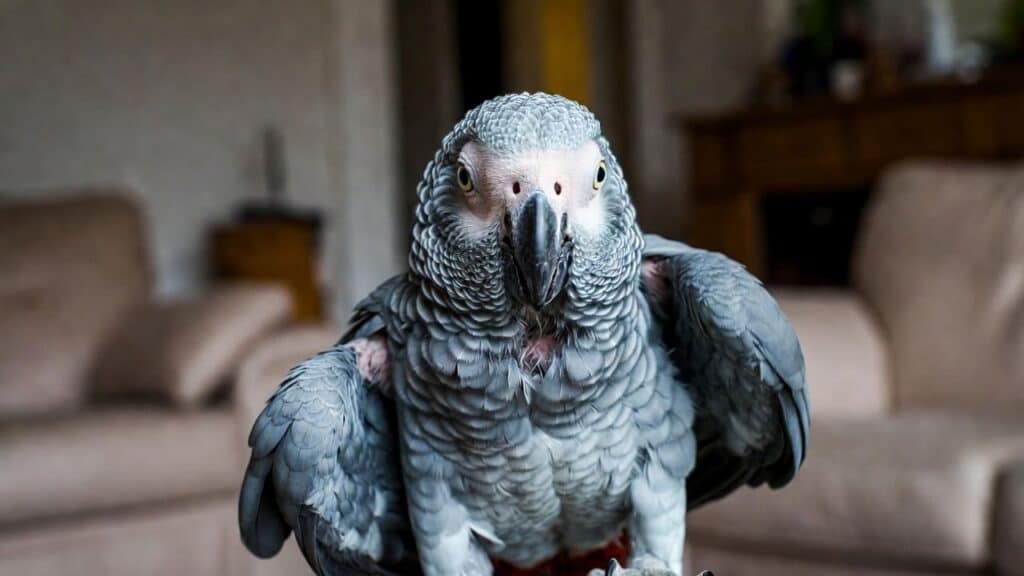
- Fluffed-up appearance
- Loss of appetite
In more severe cases, particularly if the infection spreads beyond the intestinal tract into the bloodstream (a condition called septicemia), symptoms can become significantly more serious and potentially life-threatening, underscoring why prompt veterinary attention matters once symptoms appear.
Why Some Birds Show No Symptoms at All
This is one of the most important things to understand about salmonella: a bird can be a completely asymptomatic carrier, appearing perfectly healthy while still shedding the bacteria in its droppings.
These sub-clinically infected birds pose a genuine, if invisible, risk to other birds and to people in the household, particularly if their immune system later weakens due to stress or another illness, at which point symptoms may suddenly emerge.
How Salmonella Spreads
Understanding transmission routes helps clarify where risk actually comes from:
- Contaminated food and water, the most common route of infection
- Direct contact with infected birds or their droppings
- Contaminated surfaces, including cage bars, perches, and dishes
- Airborne exposure, in crowded or poorly ventilated conditions, through nasal secretions or feather dander
- Exposure to wild birds, rodents, or insects, particularly in outdoor aviary settings, where pigeons, rats, mice, roaches, and flies can all introduce or perpetuate an outbreak
Salmonella and Human Health: A Genuine Zoonotic Risk
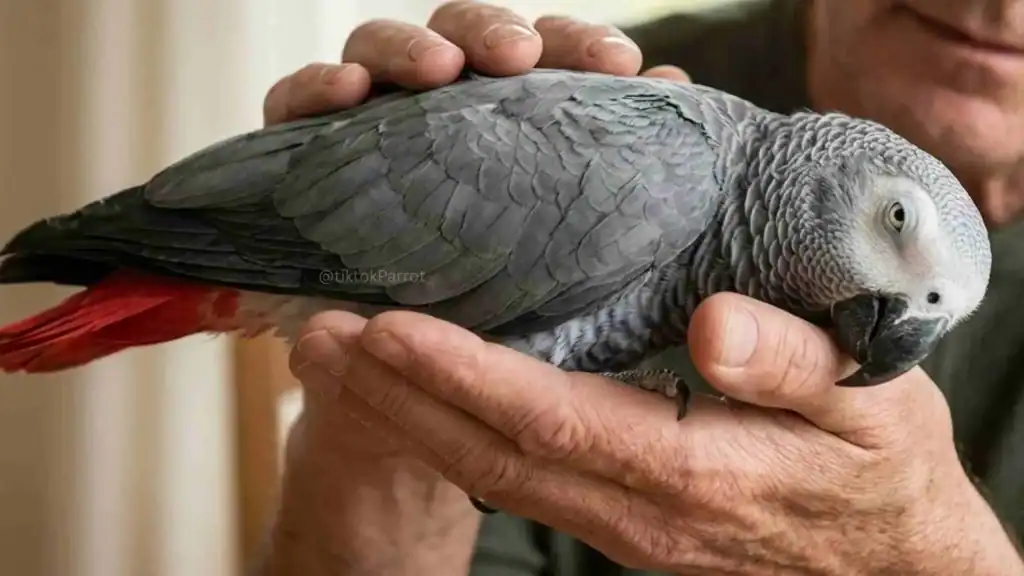
Salmonella is zoonotic, meaning it can pass from birds to humans, and this is a serious consideration for every household with a pet parrot. In humans, salmonellosis typically causes diarrhea (sometimes bloody), stomach cramps, and fever, with additional symptoms like headache, nausea, and vomiting possible.
Most people recover within about four to seven days without medical treatment, though some cases become serious enough to require hospitalization, particularly if the infection spreads into the bloodstream.
Given this risk, practicing good hygiene around bird care is genuinely important:
- Wash hands thoroughly after handling birds, cages, or droppings
- Avoid eating, drinking, or touching your face while cleaning cages or handling birds
- Use dedicated cleaning tools for bird enclosures rather than shared household items
- Seek medical attention if you or a household member develops diarrhea, fever, or stomach cramps, and mention your bird ownership to your doctor, since this context can help with diagnosis
How Vets Diagnose Salmonella in Parrots
Diagnosis is typically made through fecal testing, which allows identification of the specific Salmonella species involved. This step matters more than it might initially seem: because certain strains require specific antibiotics and don’t respond to standard treatment, accurate identification is important for choosing an effective treatment plan rather than guessing.
Treatment for Salmonella in Parrots
Once diagnosed, treatment generally includes:
- Targeted antibiotics, selected based on the specific Salmonella species identified through testing
- Supportive care, including fluid therapy for dehydration, particularly in birds with significant diarrhea
- Environmental cleaning, thoroughly disinfecting cages, dishes, and surrounding surfaces to reduce reinfection risk
- Stress reduction, since immune suppression from stress can worsen outcomes or trigger symptoms in previously asymptomatic carriers
It’s worth noting that in some veterinary contexts, particularly with wild or asymptomatic birds, treatment approaches can be more complicated, since antibiotic use carries its own risks, including disrupting healthy gut flora or contributing to antibiotic-resistant strains. For pet birds showing clear clinical symptoms, however, targeted veterinary treatment based on proper testing remains the standard approach.
Preventing Salmonella in Pet Parrots
- Maintain rigorous cage hygiene, including regular cleaning of food and water dishes
- Avoid feeding contaminated or improperly stored food
- Minimize your bird’s exposure to wild birds, rodents, and insects, particularly in outdoor settings
- Quarantine new birds before introducing them to an existing flock
- Wash hands thoroughly before and after handling birds or cleaning their enclosures
- Address pest issues promptly, since insects and rodents can perpetuate contamination even after initial cleanup
Common Mistakes Owners Make
- Assuming a healthy-looking bird can’t be a carrier. Asymptomatic Salmonella carriers are a genuine and often overlooked risk.
- Skipping fecal testing and guessing at treatment. Different Salmonella strains require different antibiotics, making proper identification important.
- Overlooking hygiene risks to human household members. This is a real zoonotic concern, not just a bird health issue.
- Not addressing pest control. Rodents and insects can reintroduce contamination even after a cage has been cleaned.
- Assuming outdoor exposure is low risk. Wild birds, particularly pigeons, are a well-documented source of Salmonella transmission to pet birds.
Frequently Asked Questions
What are the main symptoms of salmonella in parrots?
Common symptoms include weight loss, lethargy, diarrhea, yellow-green feces, excessive thirst, and a fluffed-up appearance, though some infected birds show no symptoms at all.
Are African Grey parrots more prone to salmonella than other birds?
Yes, African Greys and lories are specifically noted as appearing particularly susceptible to Salmonella infection compared to many other companion bird species.
Can a parrot carry salmonella without showing any symptoms?
Yes, asymptomatic carriers are common and can still shed the bacteria, posing a risk to other birds and to people, particularly if the bird’s immune system later weakens.
Can salmonella spread from parrots to humans?
Yes, salmonellosis is zoonotic and can cause diarrhea, fever, and stomach cramps in humans, making hand hygiene around bird care genuinely important.
How is salmonella diagnosed in parrots?
Diagnosis is typically made through fecal testing, which identifies the specific Salmonella species involved, since different strains may require different antibiotic treatments.
How can I prevent salmonella in my pet parrot?
Maintaining strict cage hygiene, avoiding contaminated food and water, minimizing exposure to wild birds and pests, and quarantining new birds are all effective prevention strategies.
Is salmonella treatable in parrots?
Yes, with proper veterinary diagnosis and targeted antibiotic treatment based on fecal testing, along with supportive care and improved hygiene, many birds recover well.
Conclusion
Salmonella is a genuine health concern for pet parrots, and African Grey owners in particular should stay alert given the species’ noted susceptibility.
Because infected birds don’t always show obvious symptoms, consistent hygiene and prompt veterinary attention to any digestive or systemic symptoms remain the most important tools owners have, both for their bird’s health and for protecting everyone else in the household.
If this blog post has helped you, please share it with your family and friends who might also find it helpful. If you love African Greys, join our community of Grey owners! You can meet other owners, share tips and learn from each other.
Stay safe and much love!


Hey there! 🐾 Looking for top-notch pet supplies or anything on Amazon?
Support our site by shopping on Amazon through our this referral link, it will not cost you extra!
Your purchases on Amazon can help us continue providing valuable content.
Thank you for your support! 🛍️