Of all the respiratory illnesses that affect pet parrots, aspergillosis is one of the most concerning for African Grey owners specifically, because Greys appear to be more prone to it than many other parrot species. Unlike bacterial or viral infections, this one is caused by a fungus that’s essentially everywhere in the environment, which makes prevention just as important as recognizing the warning signs early.
This guide explains what aspergillosis actually is, why African Greys seem particularly susceptible, how to spot it before it becomes severe, and what treatment realistically involves.
Table of Contents
What Is Aspergillosis?

Aspergillosis is a fungal infection caused by Aspergillus species, most commonly Aspergillus fumigatus. This fungus exists as microscopic spores found almost everywhere in the environment, particularly in soil, damp nesting material, dusty seed, and moldy food.
Under normal circumstances, a healthy bird’s immune system handles routine spore exposure without issue. Problems arise when the immune system is compromised or when a bird is exposed to unusually heavy spore concentrations.
Because birds have a highly efficient but delicate respiratory system, made up of lungs connected to a network of air sacs distributed throughout the body cavity, a fungal infection that takes hold can spread through this system relatively easily if it isn’t caught early.
Why African Greys Are More Susceptible
Veterinary literature consistently notes that African Greys, along with Amazon parrots, are more prone to developing aspergillosis compared to many other companion bird species.
The exact reasons aren’t fully understood, but it’s thought to relate to individual immune response and possibly genetic factors specific to the species. This doesn’t mean every Grey will develop the disease, but it does mean owners should be especially attentive to prevention and early symptom recognition.
Acute vs. Chronic Aspergillosis
Aspergillosis generally shows up in one of two forms, and understanding the difference matters for both prognosis and treatment urgency.
Acute Aspergillosis
Acute cases occur when a bird inhales or ingests a large number of spores at once, overwhelming the immune system quickly. This form tends to affect younger birds and progresses rapidly, sometimes over just days. Symptoms are severe and can include sudden breathing difficulty, appetite loss, and general collapse.
Unfortunately, because acute aspergillosis can progress so quickly, some cases aren’t identified until after the bird has already died, which underscores how important prompt veterinary attention is at the very first sign of respiratory trouble.
Chronic Aspergillosis
Chronic cases develop more gradually, often in birds with an already weakened immune system due to stress, poor nutrition, or another underlying illness. This form can smolder for weeks or months with subtle signs before becoming obvious, and by the time symptoms are clearly visible, the infection may already be well established in the lungs, air sacs, or other organs.
Symptoms to Watch For
Because aspergillosis symptoms can overlap with many other illnesses, owners should treat any combination of the following as a reason to schedule a vet visit rather than waiting to see if things improve:
Respiratory signs:
- Wheezing or changes in breathing sounds
- Labored breathing, sometimes with an open beak or stretched neck
- Voice changes or hoarseness
- Tail bobbing with each breath
- Difficulty recovering after normal activity or short flights
Other possible signs:
- Nasal discharge or nostril changes
- Cloudy, swollen, or discharging eyes
- Loss of coordination, tremors, or in advanced cases, seizures
- Vomiting or changes in droppings
- Loss of appetite, lethargy, drooping wings, and weight loss
Because symptoms often don’t appear until the infection has progressed, any persistent change in breathing, activity level, or appetite deserves prompt veterinary evaluation in a Grey.
How Vets Diagnose Aspergillosis
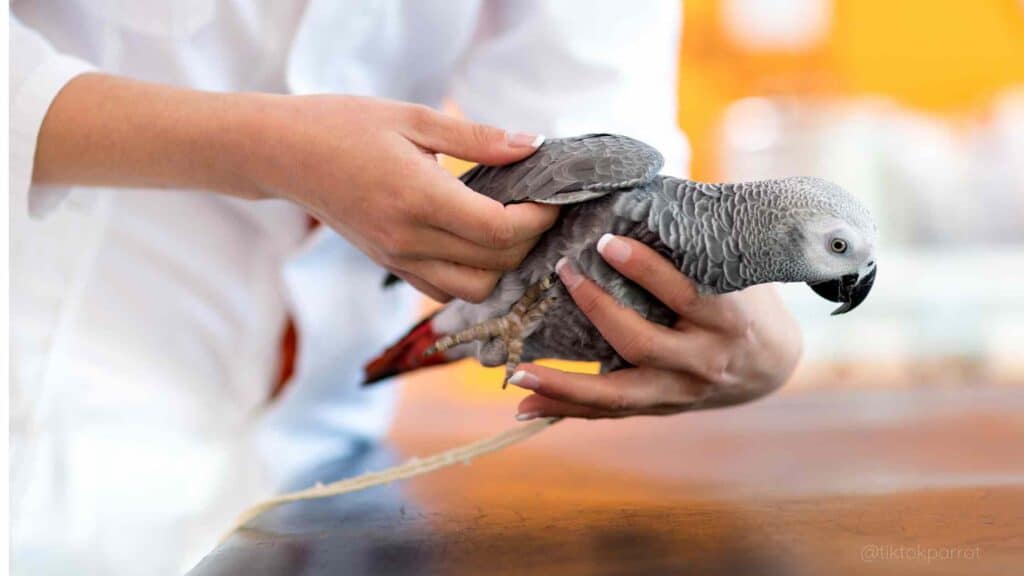
Diagnosis can be genuinely challenging, since symptoms mimic several other conditions and there’s no single perfect test. A typical workup includes:
- Physical examination and detailed history, including recent environmental changes or stressors
- Radiographs (X-rays) to look for changes in the lungs and air sacs
- Bloodwork, which can show patterns consistent with infection or inflammation
- Endoscopy, allowing direct visualization of air sacs and, in some cases, collection of samples for culture or biopsy
- Serology or antigen testing, though results can vary in reliability depending on the stage of infection
Because early-stage aspergillosis can be subtle even on imaging, a negative result doesn’t always fully rule it out, and vets may recommend monitoring or repeat testing if suspicion remains high.
Treatment Approach
Treatment typically combines antifungal medication with supportive care, and the specific approach depends heavily on how advanced the infection is.
- Antifungal medications such as itraconazole, voriconazole, or terbinafine are commonly used, sometimes in combination. Notably, itraconazole has been associated with appetite loss specifically in African Greys, so vets typically use it cautiously and at the lower end of dosing ranges for this species.
- Nebulization with antifungal agents can help deliver medication directly to the respiratory tract in more severe cases.
- Supportive care, including fluid therapy, nutritional support, and a stress-reduced environment, plays a major role in recovery.
- Extended treatment duration. Because fungal infections are slow to clear, treatment courses are often long, sometimes running for months, with periodic retesting used to confirm the infection has actually resolved rather than just improved on the surface.
Prognosis varies considerably depending on how early the disease is caught. Early, localized infections generally respond better to treatment than advanced or disseminated cases, which is why prompt veterinary care at the first sign of respiratory trouble matters so much.
Preventing Aspergillosis in African Greys
Since the fungus is essentially unavoidable in the environment, prevention focuses on minimizing spore exposure and supporting a strong immune system:
- Keep cages, food dishes, and surrounding areas clean and dry, since damp conditions encourage fungal growth
- Avoid moldy or dusty seed and food storage
- Ensure good ventilation in the bird’s living space
- Minimize chronic stress, which can suppress immune function over time
- Provide a balanced, nutritionally complete diet
- Avoid known high-risk environments, such as heavily soiled bedding, moldy nesting material, or construction dust
Common Mistakes Owners Make
- Dismissing mild breathing changes as temporary. Subtle respiratory symptoms in African Greys deserve prompt attention rather than a wait-and-see approach.
- Assuming clean-looking cages are spore-free. Aspergillus spores are microscopic and can be present even without visible mold.
- Stopping treatment early once symptoms improve, before the infection is fully confirmed clear.
- Overlooking stress as a risk factor. Environmental or emotional stress can meaningfully weaken immune defenses against fungal infection.
- Using itraconazole without veterinary guidance, given its known tendency to cause appetite loss specifically in this species.
Frequently Asked Questions
Why are African Grey parrots more prone to aspergillosis?
Veterinary sources note that African Greys appear more susceptible to aspergillosis than many other parrot species, though the exact biological reasons aren’t fully understood.
What are the early signs of aspergillosis in a Grey parrot?
Early signs often include subtle breathing changes, reduced activity tolerance, or mild voice changes, which can be easy to miss until the infection progresses further.
Is aspergillosis contagious to other birds or humans?
Aspergillosis isn’t typically spread bird-to-bird or to humans the way bacterial or viral infections are; it develops from environmental spore exposure rather than direct contagion.
How is aspergillosis treated in parrots?
Treatment usually combines antifungal medication, sometimes including nebulization, with supportive care, and often requires an extended treatment period with follow-up testing.
Can aspergillosis be prevented in African Greys? While the fungus can’t be fully eliminated from the environment, keeping living spaces clean and dry, minimizing stress, and providing good nutrition all help reduce risk.
Is aspergillosis fatal in parrots?
Acute cases can progress quickly and be fatal if not treated promptly, while chronic cases, though serious, often have a better outcome when caught and treated early.
How is aspergillosis diagnosed in African Grey parrots?
Diagnosis typically combines physical exam findings, radiographs, bloodwork, and sometimes endoscopy, since no single test reliably confirms the disease on its own.
Conclusion
Aspergillosis is a serious but manageable condition when it’s caught early, and African Grey owners benefit from knowing their birds carry a somewhat higher risk than other companion parrots. Paying close attention to breathing patterns, energy levels, and appetite, combined with clean, low-stress living conditions, goes a long way toward prevention.
If your Grey shows any signs of respiratory trouble, don’t wait it out: early veterinary evaluation is the single biggest factor in a good outcome.
If this blog post has helped you, please share it with your family and friends who might also find it helpful. If you love African Greys, join our community of Grey owners! You can meet other owners, share tips and learn from each other.
Stay safe and much love!


Hey there! 🐾 Looking for top-notch pet supplies or anything on Amazon?
Support our site by shopping on Amazon through our this referral link, it will not cost you extra!
Your purchases on Amazon can help us continue providing valuable content.
Thank you for your support! 🛍️