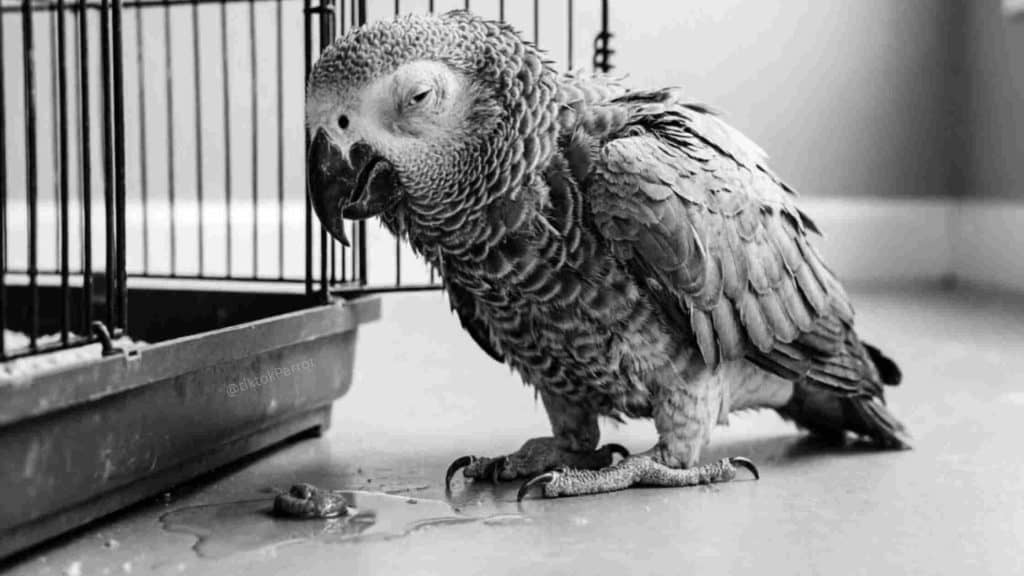
As an African Grey parrot owner, few things are more alarming than noticing changes in your bird’s droppings. Diarrhea in African Grey parrots is one of the most common health concerns owners face — and one of the most frequently misunderstood.
The good news is that loose or watery droppings don’t always signal a serious illness. The challenging part is knowing when it’s a simple dietary issue and when it’s a sign of something that needs urgent veterinary attention. This guide will walk you through everything you need to know.
Table of Contents
Understanding Normal African Grey Parrot Droppings
Before diving into diarrhea, it’s worth knowing what healthy droppings look like. A normal African Grey dropping has three distinct parts:
- The fecal portion: Green to dark green, firm, and coiled.
- The urates: The chalky white or cream-colored solid portion produced by the kidneys.
- The urine: A small amount of clear liquid surrounding the other two components.
When the fecal portion becomes soft, unformed, watery, or discolored — or when the clear liquid increases dramatically — this is what most owners call diarrhea. True diarrhea involves an unformed, watery fecal portion, while excess liquid alone is called polyuria (increased urination) and can have entirely different causes.
Understanding this distinction matters because it helps you give your vet accurate information and can narrow down the root cause faster.
Common Causes of Diarrhea in African Grey Parrots
Diarrhea in African Greys can stem from a wide range of triggers. Some are minor and resolve quickly; others require immediate veterinary care.
1. Dietary Changes or a High-Fruit Diet
One of the most common and least serious causes is simply what your bird has been eating. Fruits with high water content — grapes, watermelon, oranges — can temporarily loosen stools. A sudden switch in diet or overfeeding fresh foods can have the same effect. If you’ve recently introduced a new food and noticed loose droppings shortly afterward, diet is a likely culprit.
2. Bacterial Infections
African Greys are susceptible to bacterial infections caused by organisms like Salmonella, E. coli, and Campylobacter. These infections often cause watery, foul-smelling droppings and may be accompanied by lethargy, ruffled feathers, and loss of appetite. Bacterial infections can come from contaminated food, water, or contact with wild birds.
3. Parasites
Internal parasites — including Giardia, roundworms, and other protozoa — are a known cause of chronic diarrhea in parrots. Giardia is particularly common in African Greys and can also trigger feather-destructive behavior and itching. Parasite-related diarrhea tends to be ongoing rather than sudden, and a fecal examination by your vet is the only reliable way to confirm it.
4. Viral Infections
Several viruses can affect the digestive system of African Greys. Psittacine Beak and Feather Disease (PBFD), Proventricular Dilatation Disease (PDD), and Avian Polyomavirus can all cause gastrointestinal symptoms including diarrhea, vomiting, and weight loss. These require diagnosis via laboratory testing and are serious conditions that demand immediate veterinary intervention.
5. Fungal Infections (Candida)
Candida overgrowth — a yeast infection — commonly affects the digestive tract of African Greys, particularly birds on poor diets or those who have recently been on antibiotics. Signs include loose, slimy droppings, mucus in the stool, and sometimes a white coating inside the mouth.
6. Heavy Metal Toxicity
African Greys are curious birds that explore their environment with their beaks. Lead and zinc poisoning — from old cage bars, painted toys, or household items — can cause severe gastrointestinal distress including diarrhea, vomiting, and neurological symptoms. Metal toxicity is a genuine emergency.
7. Stress
African Greys are highly sensitive birds, and emotional stress — from a new environment, a change in routine, loud noises, or the loss of a companion — can manifest physically. Stress-related diarrhea typically resolves once the stressor is removed or the bird adjusts.
8. Medications and Antibiotics
If your bird is currently on medication, diarrhea can be a side effect. Antibiotics in particular disrupt the natural gut flora, leading to loose stools. Always inform your vet of any medications your bird is taking.
Warning Signs That Require Immediate Veterinary Attention
Mild, short-lived diarrhea — especially following a dietary change — may resolve on its own within 24 hours. However, certain symptoms alongside diarrhea should prompt you to contact an avian vet without delay:
- Diarrhea lasting more than 24–48 hours
- Blood in the droppings
- Black or tarry stools (sign of internal bleeding)
- Extreme lethargy or inability to perch
- Labored breathing or tail bobbing
- Vomiting or regurgitation
- Significant weight loss
- Complete loss of appetite
- Neurological symptoms such as tremors or loss of balance
African Greys can deteriorate rapidly when ill. Unlike mammals, birds mask illness instinctively — by the time symptoms are visible, the condition may already be advanced. Never take a “wait and see” approach beyond 48 hours.
What to Do at Home While Waiting for a Vet Appointment
If your African Grey has mild diarrhea and is otherwise alert and active, these steps can help while you arrange a vet visit:
- Remove high-water-content fruits from the diet temporarily and return to a balanced pellet-based diet.
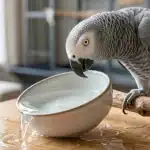
- Ensure fresh, clean water is always available — diarrhea can cause dehydration quickly.
- Keep the environment warm and stress-free — maintain a temperature of around 26–29°C (78–85°F) to support recovery.
- Monitor droppings closely — photograph them to show your vet, noting frequency, color, and consistency.
- Do not self-medicate — avoid giving human medications, herbal remedies, or over-the-counter bird treatments without veterinary guidance. Some can be toxic to parrots.
How Vets Diagnose and Treat Diarrhea in African Greys
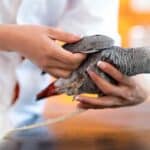
A qualified avian vet will perform a thorough assessment that may include:
- A fecal smear and culture to check for bacteria and parasites
- Blood work to assess organ function and white blood cell counts
- X-rays to check for foreign bodies or internal abnormalities
- PCR testing for viral infections if indicated
Treatment depends entirely on the cause. Bacterial infections are treated with targeted antibiotics. Parasites are addressed with antiparasitic medications. Fungal overgrowth is treated with antifungals like nystatin or fluconazole. Supportive care — including fluid therapy for dehydration — is often given alongside specific treatments.
Preventing Diarrhea in African Grey Parrots
Good husbandry goes a long way toward keeping your bird’s digestive system healthy.
- Feed a balanced diet of high-quality pellets, fresh vegetables, and limited fruit.
- Change food and water daily — never leave fresh food sitting for hours in a warm cage.
- Clean food and water dishes thoroughly with hot water every day.
- Quarantine any new birds for a minimum of 30 days before introducing them to your Grey.
- Avoid exposing your parrot to wild birds or their droppings.
- Schedule annual wellness exams with an avian vet, even when your bird appears healthy.
- Keep your parrot’s environment stable and enriched to reduce stress.
Frequently Asked Questions
What does diarrhea look like in an African Grey parrot?
Diarrhea in African Greys presents as unformed, watery, or mushy fecal matter — different from the usual firm, coiled green portion of a normal dropping. You may also notice unusual color changes or an increase in the liquid surrounding the stool.
Can stress cause diarrhea in African Grey parrots?
Yes. African Greys are emotionally sensitive birds, and stress from environmental changes, loud noises, new people, or disrupted routines can cause temporary loose stools. If the droppings normalize once the stressor is resolved, stress is likely the cause.
How long can diarrhea last in a parrot before it becomes dangerous?
Diarrhea lasting more than 24–48 hours, or accompanied by lethargy, blood, or other symptoms, warrants immediate veterinary attention. Parrots can become dehydrated quickly, which can become life-threatening.
Can I treat my African Grey’s diarrhea at home?
Mild diarrhea from a dietary cause may resolve by removing high-water fruits and returning to a balanced diet. However, do not self-medicate. If symptoms persist or worsen, always consult an avian vet.
Is diarrhea in African Grey parrots contagious to humans?
Some causes of parrot diarrhea — such as Salmonella and Psittacosis — are zoonotic, meaning they can be transmitted to humans. Always wash your hands after handling your bird or cleaning its cage, and see a doctor if you develop flu-like symptoms after your bird becomes ill.
Conclusion
Diarrhea in African Grey parrots ranges from a harmless dietary response to a symptom of serious illness. The key is observing your bird closely, acting quickly when warning signs appear, and never underestimating how fast an ill parrot can decline.
Maintaining a nutritious diet, a clean environment, and regular avian vet checkups gives your African Grey the best defense against digestive problems. When in doubt, always call your avian vet — it’s always better to check and be reassured than to wait and regret it.
If this blog post has helped you, please share it with your family and friends who might also find it helpful. If you love African Greys, join our community of Grey owners! You can meet other owners, share tips and learn from each other.
Stay safe and much love!


Hey there! 🐾 Looking for top-notch pet supplies or anything on Amazon?
Support our site by shopping on Amazon through our this referral link, it will not cost you extra!
Your purchases on Amazon can help us continue providing valuable content.
Thank you for your support! 🛍️