Bringing an African Grey parrot into your home is one of the most rewarding experiences a bird lover can have — but it can also be one of the most humbling. These birds are remarkably intelligent, emotionally complex, and incredibly perceptive.
They read your energy, remember your behavior, and make up their own minds about whether you’ve earned their trust. Bonding with an African Grey isn’t something that happens overnight, and it certainly can’t be forced. But with patience, consistency, and the right approach, you can build a deep, lasting relationship with one of the most fascinating birds on the planet.
Table of Contents
Understanding the African Grey Mindset
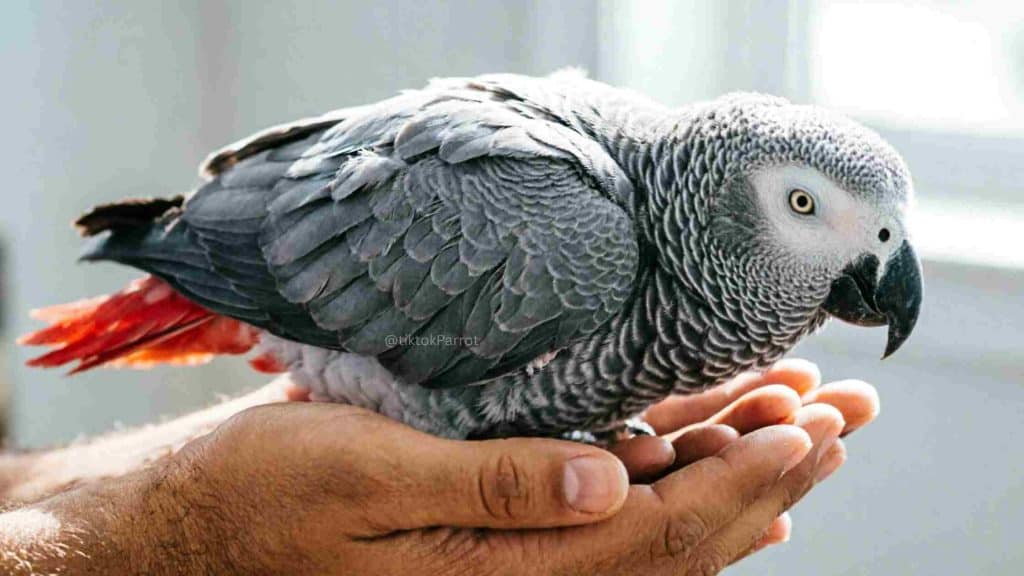
Before you can bond with an African Grey, you need to understand how they think. Unlike dogs, who tend to accept humans fairly readily, African Greys are naturally cautious. In the wild, Psittacus erithacus are prey animals, which means their default response to anything new or unfamiliar is wariness. This instinct doesn’t disappear in captivity.
African Greys are also known for forming intense one-person bonds. They often choose a primary person and become deeply attached to that individual. This is beautiful when it happens — but it means earning that trust is a privilege, not a given. The good news is that once an African Grey bonds with you, that loyalty runs very deep.
Step 1: Give Your Grey Space First
When you first bring an African Grey home — or when you’re meeting a new-to-you bird — resist the urge to immediately handle or interact with them. Allow the bird to observe you from a safe distance. Sit near the cage, talk softly, read a book, or simply go about your daily routine. Let the bird watch you without feeling pressured.
This passive introduction is one of the most underrated bonding strategies for African Greys. You’re essentially saying, “I’m not a threat.” That message means everything to a naturally cautious bird.
Avoid:
- Staring directly into the bird’s eyes (this can be perceived as threatening)
- Reaching into the cage without invitation
- Loud noises or sudden movements near the cage
- Forcing any kind of interaction before the bird shows signs of curiosity
Step 2: Use Your Voice to Build Familiarity
African Greys are auditory creatures. They are acutely aware of tone, pitch, and rhythm — long before they understand words. Talk to your bird throughout the day in a calm, warm voice. Narrate what you’re doing: “I’m making coffee now,” or “Time to clean your cage.” It sounds silly, but consistency in your voice creates a sense of safety.
Many experienced owners find that reading aloud near their Grey’s cage is an excellent bonding technique. It exposes the bird to your voice in a non-threatening, low-pressure way. Over time, your bird will begin to associate your voice with calm, and that association becomes the foundation of trust.
Whistling simple tunes, humming, or softly singing are also effective — African Greys are naturally drawn to musical sounds and will often mimic them as a way of connecting.
Step 3: Offer Food From Your Hand
Food is one of the most powerful bonding tools available to parrot owners. African Greys respond strongly to positive food associations, and offering treats by hand communicates trust in a language they understand instinctively.
Start by placing treats near the cage door without expecting the bird to approach immediately. Gradually work toward holding the treat in your open, flat palm close to the cage bars. Don’t pull your hand away if the bird hesitates — stillness is key. When your Grey eventually takes a treat from your hand, that is a significant milestone.
Favorite treats for African Greys include:
- Walnuts and almonds (in moderation)
- Pomegranate seeds
- Mango or papaya slices
- Cooked sweet potato
- Small pieces of whole grain bread
Never use food as a bribe for handling before the bird is ready — this can undermine trust rather than build it.
Step 4: Respect Body Language at All Times
One of the biggest mistakes new African Grey owners make is ignoring or misreading their bird’s body language. An African Grey will tell you exactly how it feels — you just need to learn the language.
Signs your Grey is comfortable and open to interaction:
- Relaxed feathers, slightly puffed
- Grinding beak (a sign of contentment, often before sleep)
- Leaning toward you
- Preening in your presence
- Making eye contact with a relaxed, wide pupil
Signs to back off:
- Feathers slicked tightly against the body
- Rapid eye pinning (pupils rapidly contracting and expanding)
- Tail fanning
- Lunging or biting
- Turning away or moving to the far end of the perch
Respecting these signals every single time sends a powerful message: I hear you, and I won’t push you. This kind of respect builds more trust than any treat or trick ever will.
Step 5: Establish a Daily Routine
African Greys thrive on predictability. They are creatures of habit and can become anxious in unpredictable environments. One of the most effective bonding strategies is simply showing up consistently — at the same times each day, with the same greetings, the same rituals.
Good daily bonding habits include:
- A morning greeting every day without fail
- A quiet out-of-cage time in a safe, bird-proofed space
- Shared mealtimes (eating near your bird normalizes your presence)
- An evening wind-down routine, such as softly talking before covering the cage
Over weeks and months, these rituals become the fabric of your relationship. Your African Grey will begin to anticipate your presence — and anticipation is the beginning of attachment.
Step 6: Never Punish, Always Redirect
African Greys are emotionally sensitive and have long memories. Yelling, physically punishing, or responding harshly to biting or undesirable behavior can set your bonding progress back significantly — sometimes by months. These birds do not respond to punishment the way some animals might. Instead, they develop fear and distrust.
When your bird bites or behaves in a way you want to discourage, calmly put them back in their cage and walk away for a few minutes. No drama, no raised voice. Then return as if nothing happened. Consistency in this calm approach teaches your Grey that misbehavior doesn’t get a strong reaction — and over time, the behavior typically fades.
Step 7: Engage Their Intelligence
Bonding isn’t only about emotional trust — it’s also about mental connection. African Greys are among the most intelligent birds in the world, comparable to a 5-year-old child in some cognitive studies. An unstimulated Grey is an anxious, sometimes destructive Grey.
Engage your bird’s mind as part of your bonding routine:
- Teach simple words and phrases through repetition
- Introduce puzzle feeders and foraging toys
- Play gentle games like peek-a-boo or hide-and-seek with treats
- Allow your bird to watch and participate in household activities safely
When your African Grey associates you with mental enrichment and fun, they begin to seek you out — and that is the clearest sign that a genuine bond is forming.
Frequently Asked Questions
How long does it take to bond with an African Grey parrot?
It varies significantly. Some African Greys warm up within a few weeks; others may take six months to a year before they truly feel comfortable. Patience and consistency are more important than speed.
Can you bond with an older African Grey parrot?
Yes, absolutely. Older Greys can and do form new bonds, though it may take longer than with a young bird. Rescue Greys especially need extra time to rebuild trust after past trauma.
Why does my African Grey bite me even though we’ve been bonding?
Biting is usually a communication signal — the bird is overstimulated, tired, scared, or setting a boundary. Review your bird’s body language before and during interactions and respect any early warning signs.
Should I let my African Grey out of the cage to bond?
Yes, supervised out-of-cage time is important for bonding. It gives your bird a chance to explore and interact with you in a more natural, open setting. Always bird-proof the space first.
Is it okay to bond with an African Grey if I’m not the primary owner?
Yes. African Greys can form meaningful connections with multiple people over time, though they typically have one preferred person. Consistency and calm interaction from secondary family members will eventually earn trust.
Conclusion
Bonding with an African Grey parrot is a journey built on patience, respect, and genuine connection. These birds don’t hand out their trust freely — but when they do, you’ll have a companion unlike any other.
Start slow, read your bird’s signals, use food and voice as gentle tools, and show up consistently every single day. Your African Grey is watching you more carefully than you know. Earn their trust, and you’ll have a bond that lasts a lifetime.
If this blog post has helped you, please share it with your family and friends who might also find it helpful. If you love African Greys, join our community of Grey owners! You can meet other owners, share tips and learn from each other.
Stay safe and much love!


Hey there! 🐾 Looking for top-notch pet supplies or anything on Amazon?
Support our site by shopping on Amazon through our this referral link, it will not cost you extra!
Your purchases on Amazon can help us continue providing valuable content.
Thank you for your support! 🛍️