Is Your African Grey Parrot Lonely? The Truth About Adding a Second Bird to Your Flock!
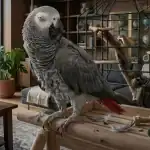
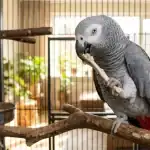
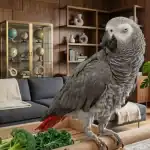
Have you ever been sitting on your sofa, eating a sandwich, and looked over at your African Grey Parrot only to see them staring back at you with those soul-piercing, judgmental eyes? In that moment, a wave of “parrot guilt” hits you.
You start wondering, “Is he bored? Is he sad? Does he wish he had a feathered friend to gossip with instead of just watching me binge-watch Netflix?” It’s a classic dilemma for every bird parent. We know these birds are essentially feathered Einsteins, and the thought of such a brilliant mind being lonely is enough to break anyone’s heart.
But before you run out and buy a second cage and double your budget for almond treats, let’s take a deep breath. The question of whether an African Grey Parrot needs a bird companion is a bit like asking if a human needs a roommate. Sometimes it’s a blast; other times, you’re just fighting over who ate the last grape.
Table of Contents
Let’s dive into the complex, hilarious, and slightly neurotic world of parrot social lives to see if your bird truly is a “lonely heart.”
The “Flock” Mentality: Who Are You to Them?
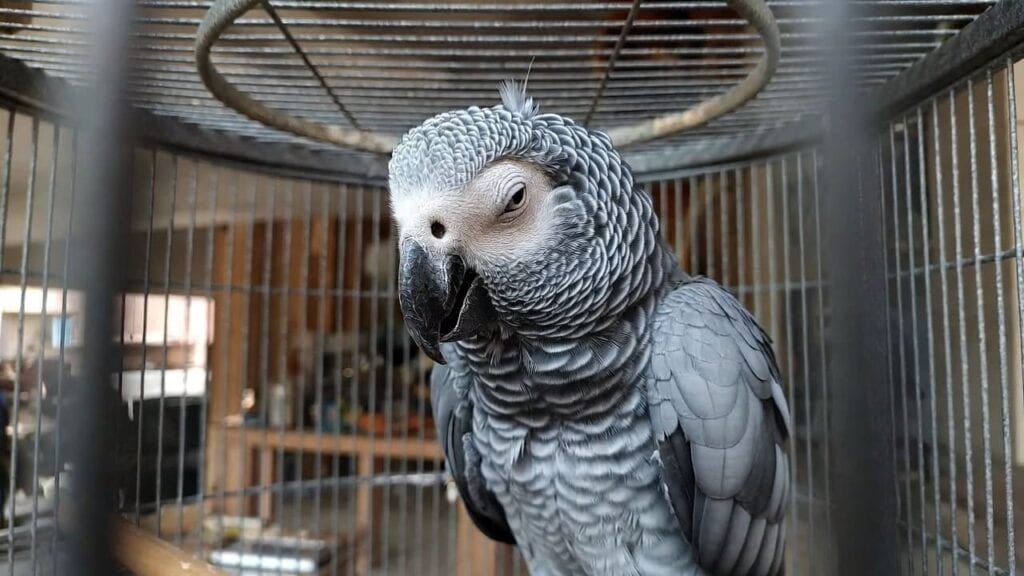
In the wild, an African Grey Parrot wouldn’t spend a single second alone. They live in massive, noisy, chaotic flocks in the forests of Africa. They fly together, eat together, and scream at the sunset together. So, technically, yes—they are “obligate social” creatures. They aren’t built for solitude.
However, here’s the kicker: in a home environment, you are the flock. To your parrot, you aren’t just the person who cleans the poop and provides the sunflower seeds. You are their wingman (pun intended). Because Greys are so incredibly smart, they are capable of forming deep, complex bonds with humans that mimic the bonds they would have with other birds.
If you’re home a lot, interacting with them, and letting them “help” you fold laundry (by which I mean throwing the socks on the floor), they might not feel lonely at all. They might just think they’re a slightly weird-looking, featherless bird who is part of a very small, very exclusive flock of two.
Is One + One = Two Friends or Two Enemies?
A common mistake people make is thinking, “I work 9 to 5, so I’ll get my African Grey a friend to keep him company.” On paper, this sounds like a solid plan. In reality, it can be a recipe for a feathered soap opera.
Greys are famously “one-person” birds sometimes, but they are also famously jealous. If you bring in a new bird, your original African Grey Parrot might not see a “friend.” They might see a squawking intruder who is stealing their favorite human’s attention. Instead of playing together, you might end up with two birds in separate cages who spend all day shouting insults at each other.
Adding a second bird is a massive commitment. You have to consider:
- The Double Expense: Double the vet bills, double the food, and double the toy budget (and we know how fast a Grey can turn a $30 toy into sawdust).
- The Space: Unless they get along famously, they will need separate cages. Does your living room have room for two bird mansions?
- The Personality Clash: Parrots have distinct personalities. Just because they are the same species doesn’t mean they’ll like each other. It’s like being forced to live with a random person just because you both happen to be human.
Signs Your African Grey Might Actually Be Lonely
So, how do you tell if your bird is legitimately lonely or just being a typical, dramatic African Grey Parrot? Birds are masters at hiding their feelings (it’s a survival thing), but there are a few “tells”:
- The Silent Treatment: If your normally chatty bird becomes a feathered statue and stops talking or whistling, they might be depressed.
- Self-Mutilation (Plucking): This is the big one. While plucking can be medical, it’s often a sign of extreme boredom or emotional distress. It’s their way of saying, “I have nothing to do and no one to talk to, so I’m going to pull my hair out.”
- Excessive Screaming: Not the “I’m happy the sun is up” scream, but a frantic, “PLEASE LOOK AT ME” alarm.
- Stereotypical Behavior: If you see your bird pacing back and forth on their perch or swinging their head in a repetitive motion, their brain is likely starving for stimulation.
If you see these signs, it doesn’t automatically mean you need a second bird. It might just mean your bird needs more of you.
The “I Have a Life” Solution: Enrichment
If you’re worried about your African Grey Parrot being lonely while you’re at work, you don’t necessarily need another bird. You need to turn their cage into a “Birdie Disneyland.”
Think about it: a bird in the wild spends 80% of their day looking for food. In a cage, we put food in a bowl. That leaves them with about 10 hours of free time and nothing to do but contemplate the meaning of life (and how to unscrew the cage door).
- Foraging is Key: Hide their food! Make them shred paper, wood, or cardboard to get to their treats. A busy beak is a happy beak.
- The Magic of Technology: Leave the TV or radio on. Many Greys love talk radio or kids’ cartoons. The sound of human voices can act as a “virtual flock,” making the house feel less empty.
- The “Window to the World”: If it’s safe, place the cage near a window (but away from drafts). Watching squirrels, cars, and the occasional mailman provides hours of “Parrot TV.”
The Verdict: To Buddy or Not to Buddy?
The truth is, most African Grey Parrots are perfectly happy being “only children” as long as their humans make them the center of the universe. They are high-maintenance, yes. They are demanding, absolutely. But they don’t require another bird to live a fulfilled life.
However, if you want a second bird, do it because you want another bird and have the resources to care for it—not just as a “toy” for your first parrot. If they end up being best friends, that’s a wonderful bonus. But you have to be prepared for the possibility that they will always be “roommates who tolerate each other” rather than soulmates.
At the end of the day, your bird’s favorite person is usually the one holding the walnut. If you provide love, mental challenges, and plenty of “flock time,” your Grey will likely be the happiest bird on the block, solo or not.
Conclusion
Deciding whether your African Grey Parrot needs a companion is a huge step. It’s a balance between their wild instincts and their domestic reality. Remember, every bird is an individual. Some are social butterflies, and others are grumpy hermits who want you all to themselves. Listen to your bird, watch their behavior, and don’t let “parrot guilt” drive your decisions!
What do you think? Does your African Grey have a bird BFF, or are they a “one-human” kind of parrot? Have you ever tried introducing a second bird only to have it turn into a feathered circus? Share your stories and advice in the comments below—I’d love to hear how your flock works!
If you liked this blog, please share it with your family and friends who might also find it helpful. If you love African Greys, join our community of Grey owners! You can meet other owners, share tips and learn from each other.
Stay safe and much love!


Hey there! 🐾 Looking for top-notch pet supplies or anything on Amazon?
Support our site by shopping on Amazon through our this referral link, it will not cost you extra!
Your purchases on Amazon can help us continue providing valuable content.
Thank you for your support! 🛍️