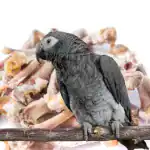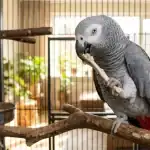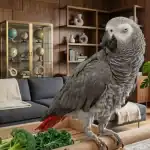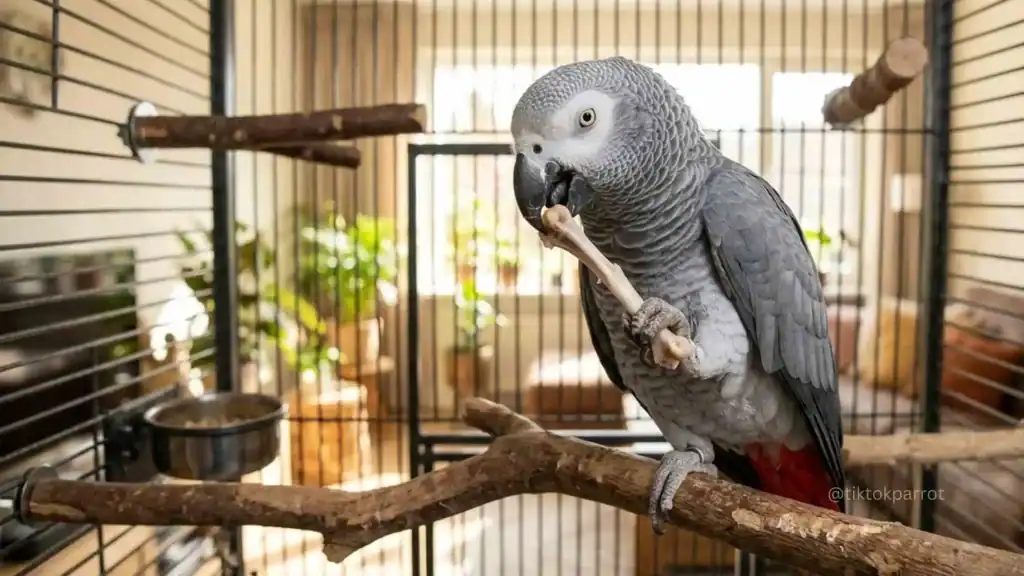
Imagine your African grey parrot spots a chicken bone on your dinner plate and suddenly transforms into the most persistent, pupil-flashing, head-bobbing negotiator you’ve ever met. Is it a harmless craving — or a red flag?
The truth about chicken bones for African grey parrots is more nuanced than a quick Google search will tell you, and getting it wrong could mean the difference between a happy, enriched bird and a costly emergency vet visit.
In this guide, we’ll break down exactly what science, veterinarians, and experienced African grey owners actually say about feeding chicken bones — so you can make an informed decision for your feathered companion.
Table of Contents
Why Do African Grey Parrots Love Chicken Bones So Much?

African greys are famously intelligent foragers. In the wild, they spend hours each day cracking open nuts, seed pods, and fibrous plant material with their powerful beaks. A chicken bone taps directly into that same instinct — it’s hard, textured, and requires effort to crack open, which makes it irresistibly satisfying for a bird wired to work for its food.
Many owners report that their greys don’t actually swallow the bone itself. Instead, the bird cracks the bone open to reach the soft, fatty marrow inside, then discards the shell once it’s been picked clean. This “work for a reward” behavior mirrors natural foraging patterns, which is part of why chicken bones have such a strong following in the African grey community — but it’s also exactly where the debate about safety begins.
The Nutritional Case for Chicken Bones
A Natural Source of Calcium
African grey parrots are known to need a proportionally higher amount of calcium than many other parrot species, and captive greys are more prone to calcium deficiency than their wild counterparts.
Bone marrow and the softer, cartilaginous parts of a chicken bone can contribute trace minerals to the diet, though the calcium content of marrow itself is relatively low compared to dedicated calcium sources. If calcium intake is a concern for your bird, this is worth exploring further in our parrot health and diet section, and it’s always best discussed directly with an avian vet.
Mental Stimulation and Enrichment
Beyond nutrition, chicken bones double as an enrichment tool. The process of gripping, cracking, and manipulating a bone with the beak and foot exercises the same muscles and problem-solving skills your grey would use in the wild.
If you’re looking to build more foraging-based enrichment into your bird’s routine, pairing bone treats with proper parrot toys and foraging accessories can round out a more stimulating environment.
Beak Conditioning
Regular chewing on hard, safe materials helps keep a parrot’s beak naturally worn down and healthy. Chicken bones offer a firmer resistance than most fruits or vegetables, giving the beak a workout that some owners compare to natural branch-chewing behavior.
The Risks You Cannot Afford to Ignore
Here’s where the conversation gets serious. Veterinary guidance for companion animals has long warned against bones that can splinter into sharp shards — a risk that applies to cooked bones far more than raw ones, since cooking makes bone more brittle. For a bird with a much smaller digestive tract than a dog or cat, even a small splinter poses a real risk of internal injury, blockage, or puncture.
Other reported risks include:
- Choking hazards from bone fragments that break off unexpectedly during cracking.
- Bacterial contamination if the bone isn’t fresh, properly cooked, or stored correctly.
- Fat content concerns, since bone marrow is fairly high in fat and could contribute to weight issues if offered too frequently.
- Individual sensitivity — not every bird reacts to bones the same way, and some avian vets discourage any animal protein for parrots altogether, viewing it as an unnecessary risk given how effectively calcium and protein needs can be met through other means.
This is genuinely a divided topic within the parrot-keeping community. Some long-time African grey owners feed bones regularly for years without a single incident, while others — including some avian veterinarians — recommend avoiding them entirely in favor of safer calcium and enrichment sources.
How to Offer Chicken Bones More Safely (If You Choose To)
If you decide the potential benefits outweigh the risks for your individual bird, minimizing danger comes down to careful preparation and close supervision.
1. Choose the Right Bone
Smaller bones — such as wing or thigh bones — tend to be easier for a grey to manage than large drumstick bones, which can be more difficult to crack safely and may increase splintering risk.
2. Cook Thoroughly, Never Serve Raw or Seasoned
Bones should be fully cooked with no seasoning, oil, butter, or sauce. Spices and added fats aren’t just unnecessary — many seasonings used in human cooking are outright unsafe for birds.
3. Supervise Every Single Time
Never leave your parrot unattended with a bone. If you notice any sign of distress, difficulty breathing, or visible struggling, remove the bone immediately and monitor your bird closely.
4. Keep It Occasional
Treat bones as an occasional novelty rather than a dietary staple — many experienced owners limit them to just a couple of times a month at most, using them as a special enrichment activity rather than a regular food source.
5. Watch Your Bird’s Body Language
A parrot that’s uncomfortable, in pain, or struggling will often show it before anything visible happens physically. Learning to read these cues is one of the most valuable skills any grey owner can develop — you can dig deeper into this in our guide to African grey behavior and body language.
Safer Alternatives to Consider
If the splintering risk gives you pause — and for many owners, it should — there are excellent alternatives that offer similar benefits without the same level of danger:
- Cuttlebone — a classic, low-risk calcium source that also helps with beak conditioning.
- Mineral or calcium blocks designed specifically for parrots.
- Foraging toys that mimic the same “work for a reward” mental stimulation without any ingestion risk.
- Natural wood perches and chew toys that satisfy the urge to gnaw.
Building a rotation of enrichment options is often more effective — and safer — than relying on any single treat. You can explore more ideas in our roundup of parrot toys and accessories.
Warning Signs to Watch For After Feeding Bones
Even with careful precautions, it’s important to know what a problem looks like. Contact an avian vet promptly if your grey shows any of the following after eating a bone:
- Regurgitation or vomiting
- Straining or difficulty passing droppings
- Lethargy or fluffed-up feathers for an extended period
- Loss of appetite
- Visible discomfort, wheezing, or labored breathing
These symptoms can also overlap with a range of other health issues in African greys, so if you’re ever unsure, it’s worth reviewing our resources on African grey parrot diseases and illness to understand what warrants urgent attention.
What the African Grey Community Says
Ask ten experienced African grey owners about chicken bones, and you’ll likely get ten different answers — that’s exactly what makes this such a hotly debated topic. Some swear by them as a beloved weekly ritual their bird looks forward to, while others have sworn off bones entirely after a scare.
If you want real-world experiences from people who’ve actually navigated this decision with their own greys, our African grey parrot forum is a great place to read firsthand accounts and ask questions of a community that’s been there before.
Final Verdict: Should You Feed Chicken Bones to Your African Grey?
There’s no universal right answer here. Chicken bones can offer genuine enrichment, mental stimulation, and a taste of natural foraging behavior — but they also carry real risks that shouldn’t be dismissed casually. If you choose to offer them, do so with fully cooked, unseasoned, appropriately sized bones, under constant supervision, and only occasionally.
If you have any doubts about your individual bird’s health, digestive sensitivity, or behavior around bones, it’s always worth consulting an avian veterinarian before making it a habit — and considering safer enrichment alternatives instead. As with most things in parrot care, knowing your individual bird and staying observant matters more than any blanket rule.
Frequently Asked Questions About Chicken Bones for African Grey Parrots
1. Can African grey parrots eat chicken bones?
Some owners do offer fully cooked, unseasoned chicken bones as an occasional treat, but this remains a debated practice due to the risk of splintering, so it should only be done with caution and supervision.
2. Are raw chicken bones safe for parrots?
Raw bones are generally considered riskier than cooked ones for splintering and carry additional bacterial contamination concerns, so most guidance leans toward avoiding raw bones altogether.
3. Can chicken bones splinter and hurt my parrot?
Yes, this is the primary risk associated with feeding any type of bone. Splinters can cause internal injury, blockage, or choking, which is why supervision and appropriate bone size are essential.
4. What’s the safest type of chicken bone to give an African grey?
Smaller bones with some meat still attached, such as wing or thigh bones, are generally considered easier for a grey to manage than large drumstick bones.
5. How often can I give my African grey chicken bones?
Many experienced owners limit bone treats to just a couple of times a month, treating them as an occasional enrichment activity rather than a regular part of the diet.
6. Do chicken bones provide calcium for African grey parrots?
Bone marrow contains some minerals, but its calcium content is relatively low compared to dedicated calcium sources like cuttlebone, so bones shouldn’t be relied on as a primary calcium source.
7. What are safer alternatives to chicken bones for calcium?
Cuttlebone, mineral blocks, and calcium supplements formulated specifically for parrots are widely considered safer, more reliable calcium sources.
8. Can chicken bones cause choking in African grey parrots?
Yes, choking is a genuine risk, particularly with larger bones or bones that break apart unexpectedly, which is why bones should never be offered unsupervised.
9. What should I do if my parrot swallows a bone fragment?
Contact an avian veterinarian immediately if you suspect your parrot has swallowed a sharp fragment, even if it isn’t showing symptoms right away.
10. Do vets recommend feeding bones to African grey parrots?
Opinions among avian veterinarians vary considerably — some consider occasional, well-prepared bones acceptable, while others recommend avoiding animal protein and bones for parrots entirely.
11. Can chicken bones cause weight gain in parrots?
Bone marrow is relatively high in fat, so frequent feeding could contribute to excess calorie intake, making moderation important.
12. Is chicken meat safer than chicken bones for African greys?
Plain, thoroughly cooked, unseasoned chicken meat without bones eliminates the splintering risk while still offering protein, making it a lower-risk option for owners who want to offer poultry as a treat.
If you enjoyed this blog, we’d truly appreciate it if you shared it with your family and friends who might find it helpful too. And if you love African Greys, we’d love to have you join our community of Grey owners! Connect with fellow enthusiasts, share your experiences and tips, ask questions, and learn from one another as we celebrate these amazing birds together.
Stay safe and much love!


Hey there! 🐾 Looking for top-notch pet supplies or anything on Amazon?
Support our site by shopping on Amazon through our this referral link, it will not cost you extra!
Your purchases on Amazon can help us continue providing valuable content.
Thank you for your support! 🛍️