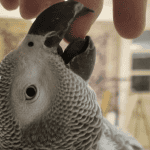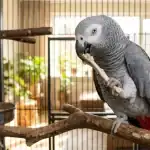
There’s a moment every African Grey owner knows — your bird steps onto your arm and those nails dig in like tiny fishhooks. It’s uncomfortable at best and painful at worst. But overgrown nails aren’t just a problem for you.
For your parrot, nails that have grown too long can interfere with perching, cause injury, and even lead to dangerous situations if a nail gets caught on cage bars or fabric. Knowing when and how to trim your African Grey’s nails is one of the most practical skills you can develop as a bird owner, and it’s easier than most people expect once you understand what to look for.
Table of Contents
Why Nail Trimming Matters for African Grey Parrots
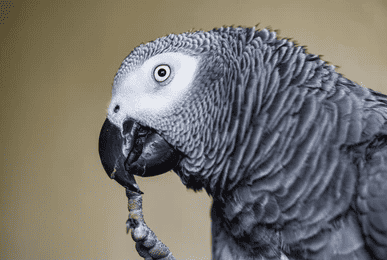
African Greys are large, heavy parrots — adults typically weigh between 400 and 650 grams. They spend most of their lives perching, climbing, and gripping, which means their feet and nails take a lot of daily use. In the wild, African Greys naturally wear down their nails by gripping rough tree branches, foraging on the forest floor, and climbing textured bark. In captivity, smooth perches and sedentary lifestyles mean nails rarely wear down at a natural rate.
Overgrown nails create real problems. A nail that curves too far can catch on cage wires, fabric, or toys, causing your parrot to panic and potentially fracture a toe or break the nail near the blood vessel (known as the quick). Long nails also alter the way your bird stands, putting excess pressure on certain parts of the foot and potentially contributing to foot problems over time.
Signs It’s Time to Trim Your African Grey’s Nails
There’s no fixed schedule that works for every bird — nail growth varies based on diet, perch types, and individual biology. Instead, look for these clear indicators:
The nails curve noticeably downward or sideways. A healthy nail has a gentle arc. When nails begin curling beyond that natural curve, especially to the point where the tip points back toward the toe, it’s overdue.
You feel discomfort when your bird perches on you. If stepping onto your hand or arm feels like gripping a thorn bush, the nails are too long. You shouldn’t need to brace yourself every time your parrot steps up.
Your bird is catching its nails on things. If you notice your African Grey getting momentarily stuck on cage bars, perch textures, or soft furnishings, the nails are long enough to pose a snagging risk.
The nails tap audibly on hard surfaces. When your parrot walks on a hard floor or table and you can hear each nail click distinctly, that’s usually a sign they’ve grown past an ideal length.
The quick has visibly lengthened. If you look at the nail from the side in good lighting, you can often see the pink blood vessel (the quick) running through it. When nails are overdue for trimming, the quick tends to grow further down the nail over time.
How Often Should You Trim African Grey Parrot Nails?

For most African Grey parrots in typical home setups, nail trimming is needed roughly every 6 to 8 weeks. However, this varies widely. Birds that spend time on natural wood perches — manzanita, java wood, or dragonwood — tend to wear nails more naturally and may need trimming less frequently. Birds on smooth dowel perches may need attention every 4 to 5 weeks.
The best approach is to check your bird’s nails monthly and trim only when needed based on the signs above, rather than sticking rigidly to a calendar. Consistent monthly checks keep you ahead of the problem and help your bird stay comfortable between trims.
How Perch Type Affects Nail Growth
One of the most effective ways to reduce how often you need to trim is to provide the right perches. Rough-textured perches made from natural wood help file the nails passively during everyday gripping. Concrete or pumice perches, sometimes called conditioning perches, can also help — though they should be used as secondary perches, not primary ones, since spending all day on a hard abrasive surface can cause foot sores.
Vary the diameter and texture of perches throughout the cage. Different diameters exercise different parts of the foot and naturally encourage more contact between the nail tip and the perch surface.
How to Trim African Grey Parrot Nails Safely
Trimming your parrot’s nails at home is achievable, but it requires the right tools and a calm, methodical approach.
What You’ll Need
- Sharp, stainless steel bird nail clippers or small animal nail scissors
- Styptic powder (such as Kwik Stop) in case you nick the quick
- A bright light source
- A calm helper to hold the bird, if needed
Step-by-Step Nail Trimming
- Choose the right moment. Attempt nail trimming when your African Grey is relaxed and not already agitated. After a meal or a bath can work well — birds are often calmer and more cooperative.
- Wrap your bird in a towel if needed to keep it still. This is called “toweling” and, while your Grey may protest, it keeps both of you safe. Keep sessions short to minimize stress.
- Hold the foot gently but firmly. Extend one toe at a time and examine the nail in good light to identify where the quick ends.
- Clip just the tip — no more than 1 to 2 mm beyond the end of the quick. It’s far better to take a little off multiple times than to cut too deep in one attempt.
- Check for bleeding. If you accidentally cut the quick, apply styptic powder directly to the nail tip and apply gentle pressure for a few seconds. The bleeding will stop quickly.
- Reward generously. Finish with your bird’s favorite treat and plenty of calm praise. Building a positive association with nail trimming makes each future session easier.
When to See an Avian Vet Instead
If your African Grey is particularly anxious, aggressive during handling, or has a medical condition affecting its feet, it’s worth having a vet or experienced avian groomer handle nail trimming. An experienced pair of hands and a calmer technique will always produce a better outcome than forcing the issue at home.
Common Mistakes to Avoid
- Cutting too much at once. The quick recedes slowly over multiple trims. Trying to shorten dramatically overgrown nails in one session almost always results in cutting the quick.
- Using dull clippers. Blunt tools crush the nail rather than cutting cleanly, which causes cracking and discomfort. Replace clippers regularly.
- Skipping the styptic powder. Always have it on hand before you start. Running to find it while your bird is bleeding adds stress for both of you.
- Neglecting the hallux nail. The hallux is the rear-facing toe — its nail grows at a different angle and is easy to overlook. Check it every time.
- Trimming too infrequently. Waiting until nails are extremely long makes the job harder and riskier. Regular small trims are always preferable.
Frequently Asked Questions
How do I know when my African Grey parrot’s nails are too long?
Look for visible curling beyond the natural arc, discomfort when the bird perches on you, audible tapping on hard surfaces, or nails that catch on cage bars or fabric. Any of these signs mean it’s time to trim.
Can I use human nail clippers on my African Grey?
It’s not recommended. Human nail clippers can crush and split a parrot’s nail rather than cutting cleanly. Use small animal nail clippers or bird-specific nail scissors for a clean, safe cut.
What do I do if I cut my African Grey’s nail too short and it bleeds?
Apply styptic powder (like Kwik Stop) directly to the nail and press gently for a few seconds. The bleeding should stop quickly. Monitor the nail over the next hour and contact your vet if bleeding continues.
Do natural wood perches really reduce how often I need to trim nails?
Yes. Rough-textured natural wood perches provide passive filing as your parrot grips and moves. Birds with a variety of natural wood perches typically need trimming less frequently than those on smooth dowels.
Should I take my African Grey to a vet for nail trimming?
If your bird is very stressed during handling, has foot problems, or you’re not confident doing it yourself, an avian vet or experienced groomer is a great option. Many owners do a combination — occasional vet visits and routine at-home trims between appointments.
Conclusion
Knowing when to trim your African Grey parrot’s nails comes down to observation rather than a strict calendar. Check monthly, look for curling, snagging, or discomfort, and act before the quick has a chance to grow long.
With the right tools, a little practice, and plenty of patience, nail trimming becomes a routine part of caring for your bird — and your arms will thank you for it. If you ever feel uncertain, an avian vet is always the safest resource.
If you enjoyed this blog, we’d truly appreciate it if you shared it with your family and friends who might find it helpful too. And if you love African Greys, we’d love to have you join our community of Grey owners! Connect with fellow enthusiasts, share your experiences and tips, ask questions, and learn from one another as we celebrate these amazing birds together.
Stay safe and much love!

Hey there! 🐾 Looking for top-notch pet supplies or anything on Amazon?
Support our site by shopping on Amazon through our this referral link, it will not cost you extra!
Your purchases on Amazon can help us continue providing valuable content.
Thank you for your support! 🛍️