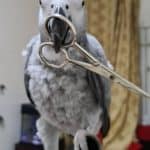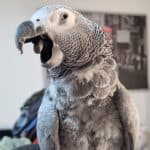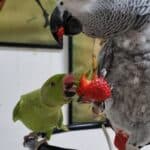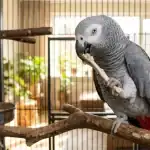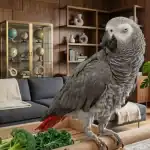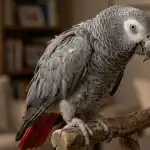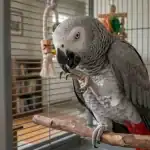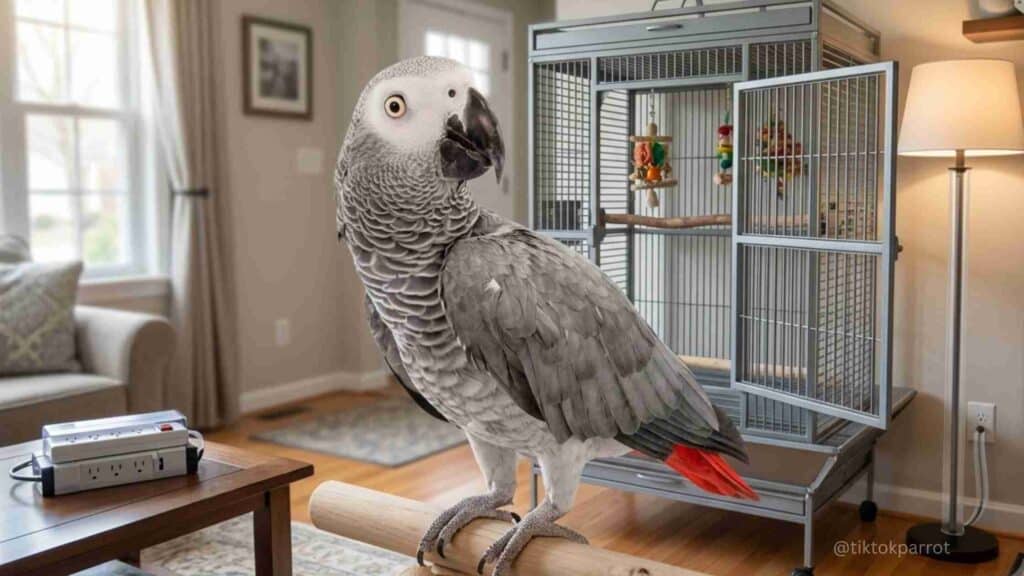
There’s something genuinely magical about watching an African Grey parrot glide across the living room, land on your shoulder, and investigate every corner of its environment with sharp, curious eyes. Out-of-cage time isn’t just enriching for your bird — it’s essential.
African Greys are among the most intelligent animals on the planet, and confinement without adequate mental stimulation leads to feather destruction, screaming, and serious psychological distress.
But free-flying comes with real risks. Your home, as comfortable as it feels to you, is full of hazards that can injure or kill an African Grey in minutes. Parrot-proofing isn’t a one-time project — it’s an ongoing commitment. Here’s a comprehensive guide to the toxins, physical dangers, and supervision strategies every African Grey owner needs to know.
Table of Contents
Understanding the Risk: Why African Greys Are Especially Vulnerable
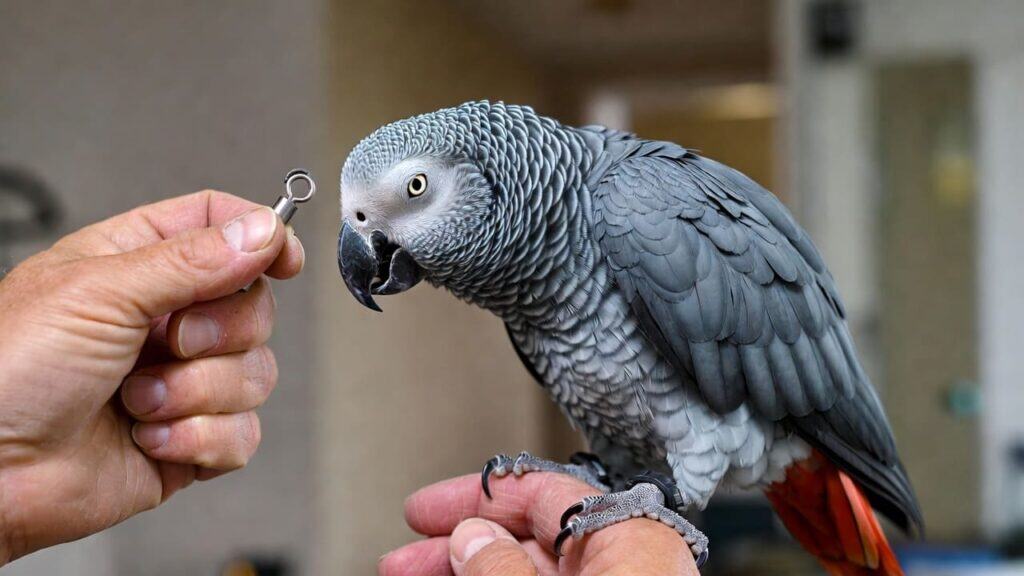
Before diving into the hazard list, it helps to understand why African Greys are particularly at risk compared to other pets.
Their respiratory system is extraordinarily sensitive. Birds breathe more efficiently than mammals — they extract more oxygen per breath — which means airborne toxins hit their systems faster and harder. A fume that gives a human a mild headache can kill a parrot within minutes.
African Greys are also intensely exploratory. They use their beaks the way we use our hands, which means anything within reach will be touched, chewed, or tasted. Their intelligence doesn’t protect them from danger — it actually increases their exposure to it, because they’re more motivated to investigate and manipulate objects in their environment.
Airborne Toxins: The Invisible Killers
The most dangerous hazards in a parrot household aren’t always visible. Airborne toxins cause rapid respiratory distress and can be fatal before you even realize something is wrong.
Non-Stick Cookware (PTFE/Teflon)
This is the most well-known and most deadly hazard for parrots. When non-stick coatings containing polytetrafluoroethylene (PTFE) are heated — especially when overheated or left dry on a burner — they release fumes that cause Teflon toxicosis. Birds that inhale these fumes can die within minutes. There is no safe level of exposure.
Replace all non-stick cookware with stainless steel, cast iron, or ceramic alternatives. Check not just pots and pans but also air fryers, waffle makers, drip trays, and self-cleaning oven coatings, which can contain similar compounds.
Scented Products and Aerosols
Air fresheners, scented candles, incense, essential oil diffusers, hairspray, perfume, cleaning sprays, and plug-in air fresheners all release particles and compounds that can irritate or damage a parrot’s respiratory tract. Even products labeled “natural” or “plant-based” are not safe around birds.
Keep your African Grey in a separate, well-ventilated room whenever these products are used, and ensure thorough air circulation before allowing your bird back in.
Smoke
Cigarette smoke, wood smoke from fireplaces, and smoke from cooking are all respiratory hazards. A home where smoking occurs indoors is genuinely dangerous for an African Grey. Second-hand smoke exposure over time contributes to chronic respiratory disease and can shorten your bird’s lifespan significantly.
Carbon Monoxide and Gas Leaks
African Greys are sensitive to carbon monoxide just as they are sensitive to other gases. Install a carbon monoxide detector in your home if you don’t already have one, and ensure gas appliances are regularly serviced.
Physical Hazards: Room-by-Room
Once the air is safe, the next step is addressing what your African Grey can touch, land on, or fly into.
The Kitchen
The kitchen is the most dangerous room in the house for a free-flying parrot and should generally be off-limits during out-of-cage time — or supervised with extreme care.
Hazards include: open pots of boiling water, hot stove burners, non-stick cookware fumes, toxic foods within reach, and open trash cans. African Greys have been known to land on stove burners, investigate what’s cooking in pots, and help themselves to food that can seriously harm them.
Toxic foods for African Greys include: avocado, chocolate, onions, garlic, alcohol, caffeine, fruit seeds and pits (apple, cherry, peach), and high-sodium or high-sugar processed foods. Keep counters clear and never leave food unattended.
Windows and Mirrors
African Greys can fly at speed into glass they don’t perceive as a barrier. Window and mirror collisions can cause concussions or death. Use blinds, curtains, or window decals to break up reflective surfaces and make glass visible to your bird.
Open windows are an escape risk. A clipped bird can still glide further than you’d expect outdoors, and even a fully flighted bird that escapes may not find its way back. Always ensure windows and doors are closed before allowing your bird out of its cage.
Ceiling Fans
A ceiling fan and a free-flying parrot is an extremely dangerous combination. Always turn off ceiling fans completely — not just to low — before your African Grey is out of its cage. Birds can be struck by blades even when fans appear to be moving slowly.
Electrical Cords and Electronics
African Greys are enthusiastic chewers. Exposed electrical cords can cause electrocution. Use cable covers, cord organizers, or bitter-tasting deterrent sprays on cords in areas your bird accesses. Keep electronics out of reach or behind barriers.
Toilets and Standing Water
Drowning is a real hazard for parrots. Keep toilet lids closed at all times. Don’t leave filled buckets, sinks, or bathtubs unattended, and never leave your bird unsupervised near any body of water.
Other Pets
Dogs and cats — even gentle, well-trained ones — represent a serious physical threat. A single bite or scratch from a cat contains bacteria (Pasteurella) that can cause fatal septicemia in parrots within 24 to 48 hours, even if the wound appears minor. Dogs can injure a parrot through a reflex bite even without aggressive intent.
During out-of-cage time, other pets should be in a separate room with the door closed. This is a non-negotiable safety rule.
Household Plants: Know What’s in Your Home
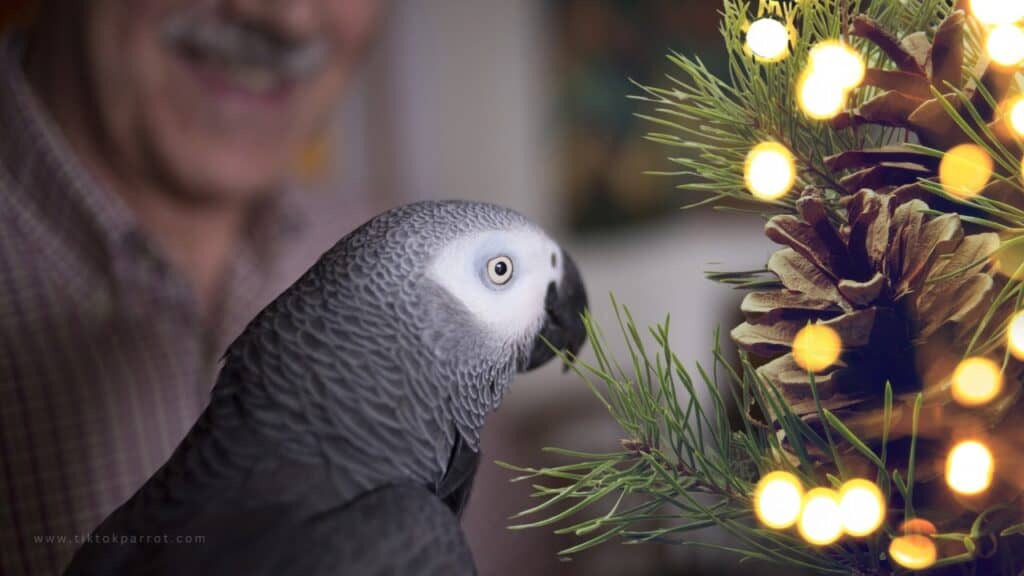
Many common houseplants are toxic to African Greys. A curious Grey will chew on leaves, stems, and flowers. Remove or relocate any toxic plants before allowing your bird to roam freely.
Plants toxic to African Greys include: dieffenbachia, philodendron, pothos, oleander, azalea, lily of the valley, sago palm, amaryllis, and many others. The ASPCA maintains an updated list of toxic and non-toxic plants for birds on their website — cross-reference your home’s plants before allowing access.
Safe alternatives that can stay in the room include certain herbs like basil and parsley, as well as spider plants and some palms, though when in doubt, keep all plants out of reach.
Supervision Strategies That Work
Even the most thoroughly parrot-proofed home requires active supervision. Here’s how to make out-of-cage time both safe and sustainable.
Designate a safe room. Rather than trying to parrot-proof your entire home, choose one or two rooms that can be thoroughly secured and make those your Grey’s out-of-cage areas. Remove hazards, cover cords, block windows, and create enrichment in that space.
Establish a recall cue. Training your African Grey to return to you or its cage on a cue word or hand signal is one of the most valuable safety skills you can teach. Practice recall with high-value treats during every session. This gives you control if your bird flies somewhere unexpected or a hazard suddenly appears.
Never leave your African Grey unsupervised out of its cage. Even in a relatively safe room, leave nothing to chance. An African Grey out of its cage is an African Grey that needs eyes on it. If you need to leave the room, return your bird to its cage first.
Establish a routine. African Greys thrive on predictability. Consistent out-of-cage times reduce stress and help your bird understand the boundaries of its environment. A structured routine also makes it easier for you to monitor behavior and notice when something is off.
Invest in a playstand. A quality playstand or parrot gym in your designated safe area gives your African Grey a landing target, enrichment, and a defined space to explore — which reduces the temptation to investigate hazardous areas.
Frequently Asked Questions
What household items are most dangerous for African Grey parrots?
Non-stick cookware (Teflon/PTFE), scented candles, aerosol sprays, ceiling fans, open windows, toxic foods, and other pets are among the most common and serious dangers. Airborne toxins from cookware are the leading cause of sudden parrot death in households.
Can African Grey parrots fly freely around the house?
Yes, with proper parrot-proofing and active supervision. Designating a safe room, removing hazards, and training a recall cue makes free-flying enriching rather than risky.
Is it safe to burn candles around an African Grey?
No. Scented and unscented candles both produce combustion byproducts that can irritate or damage a parrot’s sensitive respiratory system. Avoid burning anything — candles, incense, or wood — in areas your bird accesses.
Can cats and dogs be in the same room as an African Grey?
It is strongly advised against. Even a well-behaved cat or dog can injure a parrot through reflex behavior, and a cat scratch or bite can introduce fatal bacteria. Keep other pets separated during out-of-cage time.
How long should an African Grey be out of its cage each day?
African Greys need a minimum of 2 to 4 hours of supervised out-of-cage time daily for their mental and emotional wellbeing. More is better, provided the environment is safe and the bird remains supervised.
Conclusion
Creating a parrot-proof home for your African Grey is one of the most important investments you’ll make as an owner. The threats are real — airborne toxins, physical hazards, toxic plants, and household pets can all turn an enriching outing into a tragedy. But with deliberate preparation, a designated safe space, and consistent supervision, out-of-cage time can be one of the most rewarding parts of life with an African Grey.
Your bird trusts you completely. Parrot-proofing your home is simply how you honor that trust.
If you liked this blog, please share it with your family and friends who might also find it helpful. If you love African Greys, join our community of Grey owners! You can meet other owners, share tips and learn from each other.
Stay safe and much love!


Hey there! 🐾 Looking for top-notch pet supplies or anything on Amazon?
Support our site by shopping on Amazon through our this referral link, it will not cost you extra!
Your purchases on Amazon can help us continue providing valuable content.
Thank you for your support! 🛍️